

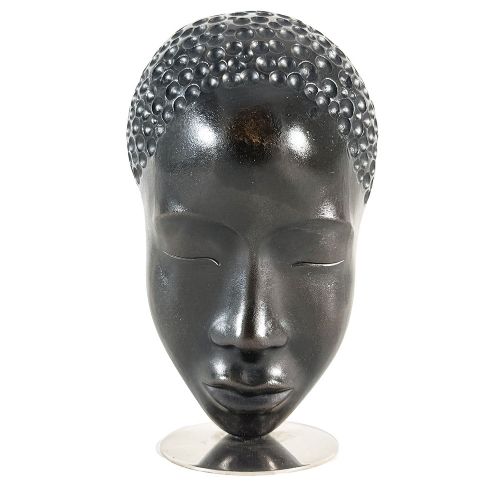
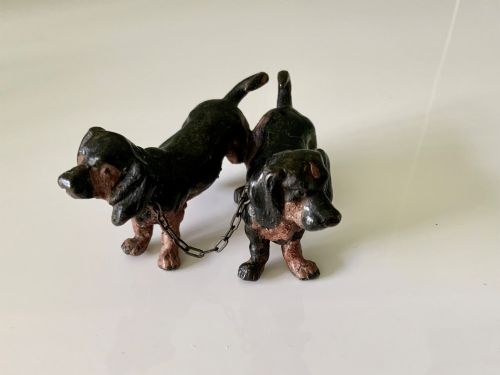
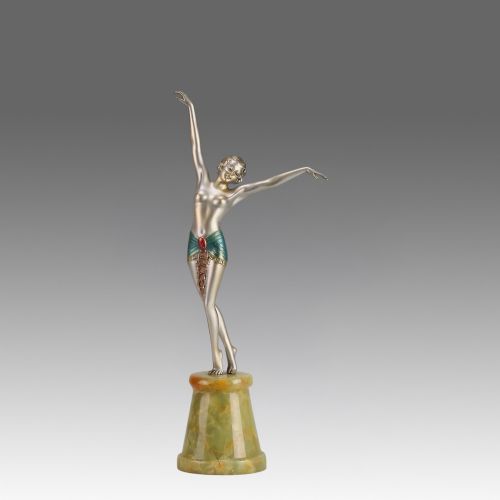
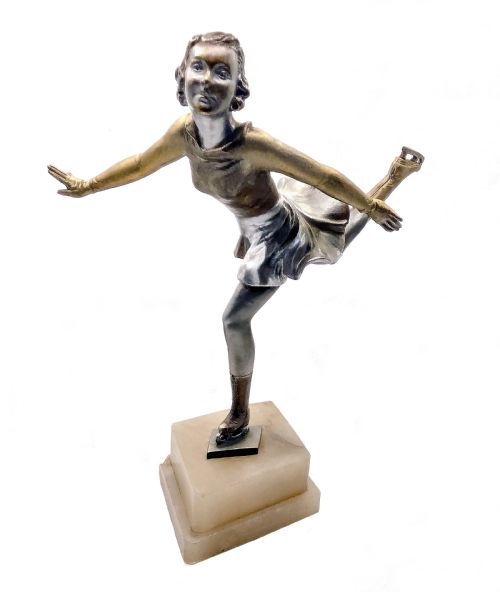


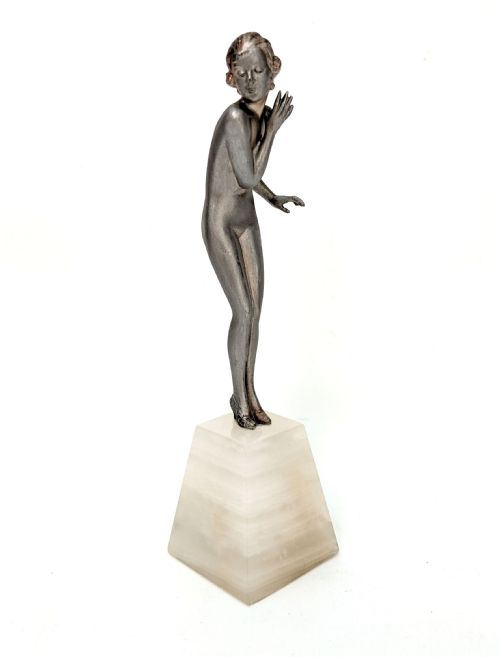


Austrian Metal Figurine
These small, expressive objects are an austrian metal figurine, prized for their lively character and hand-applied polychrome finish.
Austrian Metal Figurine
When you search for an austrian metal figurine, you encounter small sculptural works spanning the Victorian, Edwardian, and Art Deco periods. These pieces take many forms, from animal studies and inkwells to human figures representing dancers, merchants, and athletes.
The most common examples on this page are cold-painted bronze or spelter figures dating around 1900 to 1930. They range from miniature frogs and birds to larger animal groups and human busts.
Makers such as Franz Bergman and Josef Lorenzl defined the output, producing both naturalistic wildlife and stylised modernist figures. Regional output includes Vienna bronzes and works stamped as Geschützt.
Assessing quality
Quality rests principally on the crispness of the initial metal casting and the finesse of the cold-painted surface. Superior pieces exhibit precise chiselling before painting and a naturalistic palette that remains vibrant.
Attribution to known workshops or identified artists elevates a piece significantly. Pieces carrying distinct foundry marks or known signatures display a superior level of artistry in both form and subject.
Austrian Metal Figurine Retail Price Guide 2026
Typical asking prices for austrian metal figurine among the pieces listed under this phrase on Sellingantiques today, from the lower quarter to the upper quarter. They describe what is for sale here now, not the wider market.
Franz Bergman·Josef Lorenzl·Bruno Zach·Hagenauer·Stephan Buchinger
The Austrian Metal Figurine Glossary
- Cold-painted bronze
- A technique where bronze figures are painted with oil or synthetic paints without subsequent firing. This method allowed for intricate multicolour detailing on small sculptures.
- Spelter
- A zinc alloy used as a less costly alternative to bronze, particularly common in Art Deco figurines. It accepts patination and paint well when finished.
- Vienna bronze
- A specific genre of small, highly detailed bronze sculptures produced in Vienna during the late 19th and early 20th centuries. They frequently depict animals, human figures, and orientalist scenes.
- Geschützt
- A German term meaning protected or registered, often stamped on Austrian and continental metalwork to indicate a registered design. It appears frequently on metal figures from the period.
- Animalier
- A nineteenth-century artistic genre devoted to the realistic representation of animals. Sculptors in this style focused heavily on anatomical accuracy and natural movement.
Austrian Metal Figurine: Frequently Asked Questions
What is an austrian metal figurine?
These pieces are small, highly detailed sculptures cast in bronze or spelter, originating primarily from workshops in Vienna during the late nineteenth and early twentieth centuries.
They encompass a wide variety of subjects, including naturalistic animal studies, humorous scenes, and Art Deco human figures.
How do I care for cold-painted bronze?
Cold-painted surfaces are delicate and vulnerable to moisture, cleaning products, and abrasive cloths. You should clean them only with a very soft, dry brush to remove dust.
Keep them out of direct sunlight to prevent the hand-applied paint from fading over time.
What is the difference between bronze and spelter?
Bronze is an alloy of copper and tin that provides strength, durability, and a fine surface for detail. Spelter is a softer, zinc-based metal used frequently for decorative figures during the Art Deco era.
Spelter is lighter than bronze and requires careful handling as it can be more brittle.
Are these figures marked by makers?
Many pieces bear foundry marks, artist signatures, or registration stamps such as Geschützt. However, a significant number of period figurines were produced unsigned or relied on easily lost paper labels.
Absence of a signature does not preclude period authenticity, provided the casting quality and cold-painting match known standards.