






Austrian Display Cabinet
An austrian display cabinet brings refined Viennese craftsmanship into a room, offering a structured stage for cherished porcelain and decorative plates.
Austrian Display Cabinet
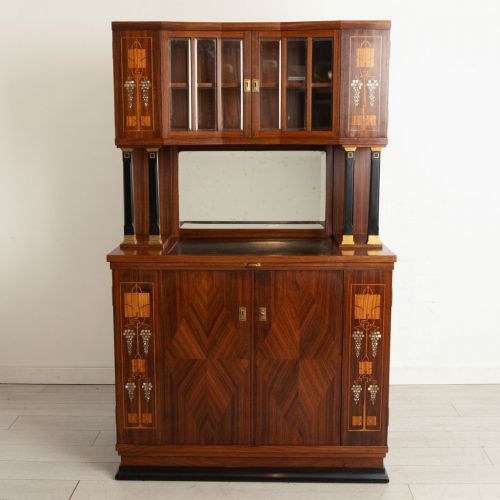
An austrian display cabinet is a refined piece of furniture designed to house and exhibit fine ceramics, decorative plates, and porcelain trays. These cabinets emerge from periods including the nineteenth century, eighteen-eighty, and nineteen-hundred.
The pieces encountered here span notable regional movements such as Viennese Secessionist, Neoclassical Revival, Renaissance Revival, and nineteenth-century historicism. Alongside substantial furniture, the selection frequently incorporates the cabinet plates and decorative chargers traditionally displayed within or upon such fittings.
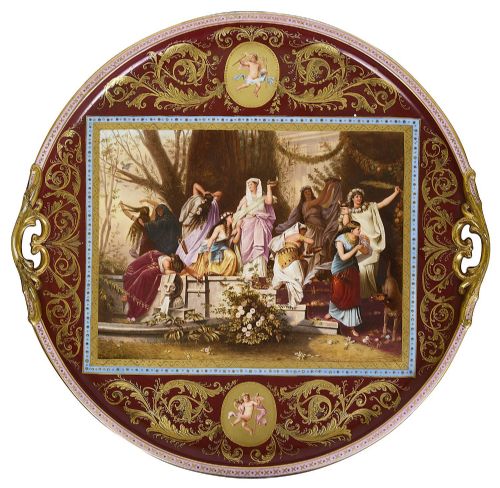
Makers such as August Ungethüm and Sigmund Jaray represent the cabinet-making tradition seen in these listings. They sit alongside porcelain plates bearing classical and mythological scenes produced in the wider Vienna tradition.
Materials and construction
Cabinet pieces in this selection are constructed from dense timbers such as rosewood, walnut, and ebonised wood. These woods provide a stable, dark carcass capable of supporting glass viewing panels and internal shelving.
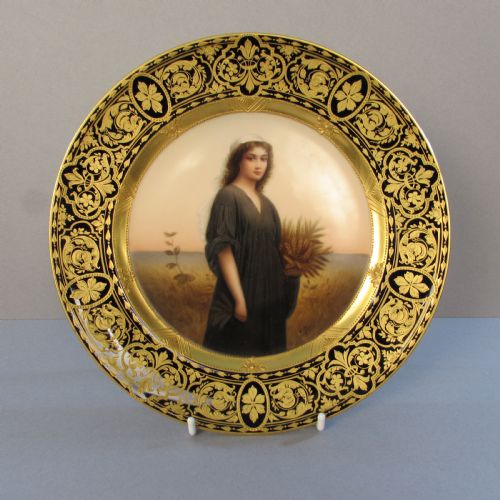
Porcelain elements and decorative plates incorporate enamel pigments, cobalt blue grounds, and applied gold leaf details. Metal components in brass add structural and decorative accents to both the furniture and associated display items.
Austrian Display Cabinet Retail Price Guide 2026
Typical asking prices for austrian display cabinet among the pieces listed under this phrase on Sellingantiques today, from the lower quarter to the upper quarter. They describe what is for sale here now, not the wider market.
Listings feature periods spanning from eighteen-fifty through to nineteen-twenty, encompassing Neoclassical, Renaissance Revival, and Viennese Secessionist styles.
Assessing quality in austrian works
Quality in these cabinets and associated porcelain rests upon the crispness of the timber carving, the depth of the ebonised finish or grain of the rosewood, and the integration of brass mounts. Superior cabinet-making exhibits tight joinery and balanced proportions characteristic of documented makers like Sigmund Jaray.
For the porcelain plates and chargers often associated with these displays, quality is judged by the precision of the hand-painted mythological or classical scenes, the richness of the cobalt blue grounds, and the heavy application of gold leaf. Signed works by artists such as Wagner or S. Stanley indicate a higher tier of painterly execution.
August Ungethüm·Sigmund Jaray
The Austrian Display Cabinet Glossary
- Cabinet plate
- A decorative ceramic dish intended for display rather than dining use. These often feature intricate hand-painted classical scenes and gilt borders.
- Charger
- A large decorative plate or tray exceeding standard dining dimensions. They are frequently mounted for display on walls or within cabinets.
- Ebonised wood
- Timber treated with a dark stain or finish to imitate expensive ebony. This technique provides a stark, uniform dark surface popular in nineteenth-century cabinet-making.
- Viennese Secessionist
- An early twentieth-century artistic movement characterised by a departure from historicism towards cleaner lines and geometric forms. It represents a significant shift in Austrian design.
- Gold leaf
- Extremely thin sheets of beaten gold applied to surfaces for ornamentation. It highlights borders, motifs, and rims on porcelain and woodwork.
Austrian Display Cabinet: Frequently Asked Questions
What is an austrian display cabinet used for?
An austrian display cabinet provides a secure, glass-fronted enclosure for exhibiting fragile decorative objects. They were traditionally used in formal rooms to showcase imported porcelain, cabinet plates, and small collections.
Today, they serve the same purpose in domestic interiors, protecting delicate items from dust while keeping them visible.
How do I identify a Viennese Secessionist piece?
Viennese Secessionist pieces reject heavily ornamented historicism in favour of more restrained, geometric designs. They reflect the turn-of-the-century movement in Austrian arts towards modernity.
Look for simplified structural lines and reduced reliance on classical revival motifs.
What materials are typical for these cabinets?
These pieces utilise dense hardwoods such as rosewood and walnut, frequently complemented by ebonised finishes. Brass hardware and glass panels complete the structural composition.
Internal elements often interact with porcelain items finished in enamel, cobalt blue, and gold leaf.
How do painted cabinet plates relate to the furniture?
Painted cabinet plates and chargers share the aesthetic universe of Austrian display furniture, often featuring mythological or classical narratives. They were produced in the same cultural centres to be exhibited within or alongside fine cabinetry.
Signed works by artists like Wagner or S. Stanley represent the pictorial counterpart to the woodworker's craft.