


Asian Wall Hanging
When searching for an asian wall hanging, collectors encounter textile art and carved panels shaped by centuries of regional craftsmanship.
Asian Wall Hanging
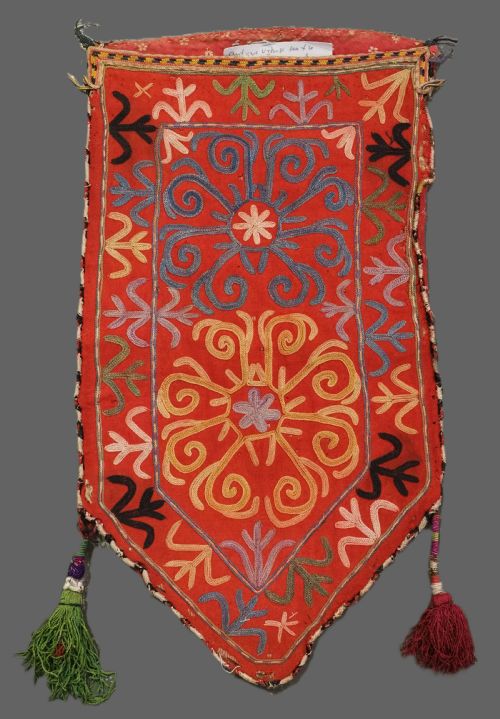
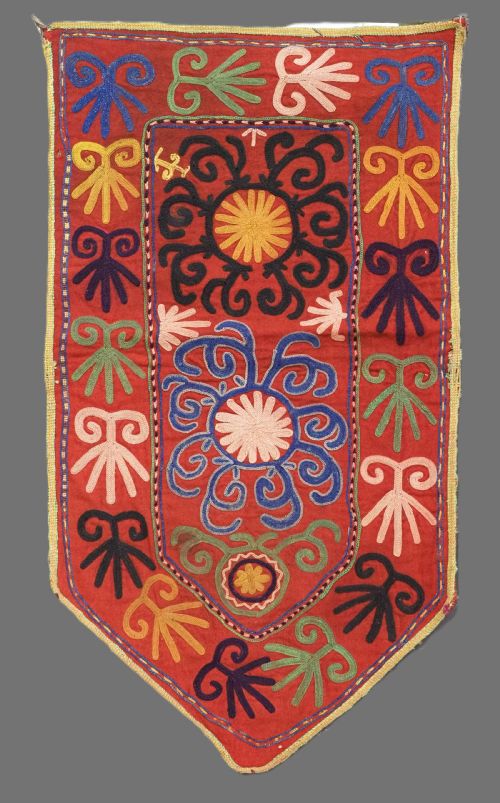
An asian wall hanging covers a broad category of decorative objects originating from Central and East Asia, spanning from the nineteenth century to the mid-twentieth century. Buyers searching this phrase most commonly encounter tribal textiles, embroidered dowry pieces, and framed panels.
Pieces from this category draw attention through complex geometric motifs, traditional iconography, and organic dye colours. They range in origin from the Turkmen steppes and Uzbek workshops to Qing Dynasty China and Burmese provinces.
How They Were Made
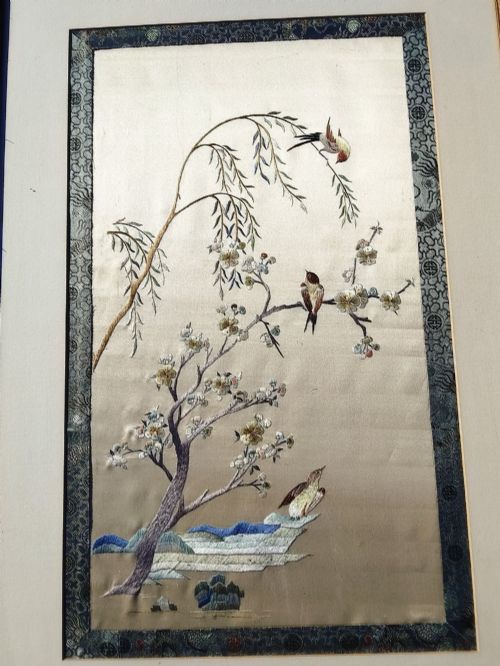
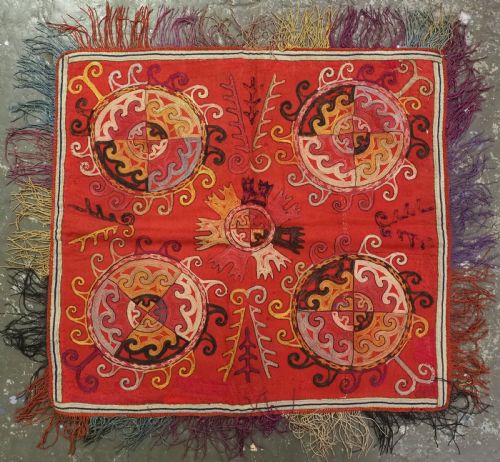
Construction relies heavily on natural materials like wool, silk, cotton, and lacquered wood, often coloured using natural dyes to achieve deep tones. Embroidered textiles showcase dense needlework on cotton or felt backings, employing specialised silk threads for raised surface patterns.
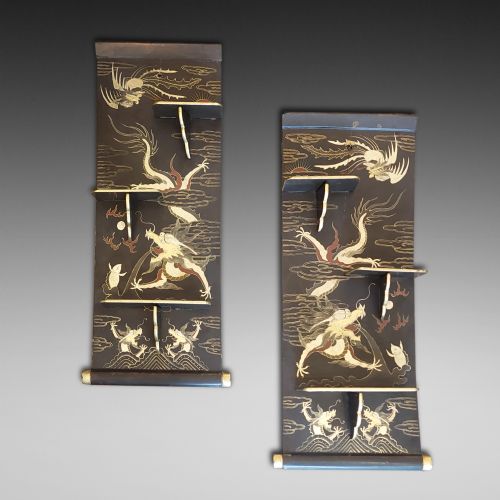
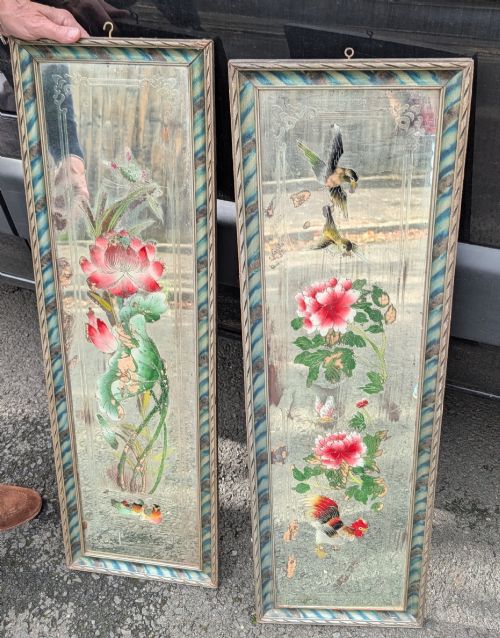
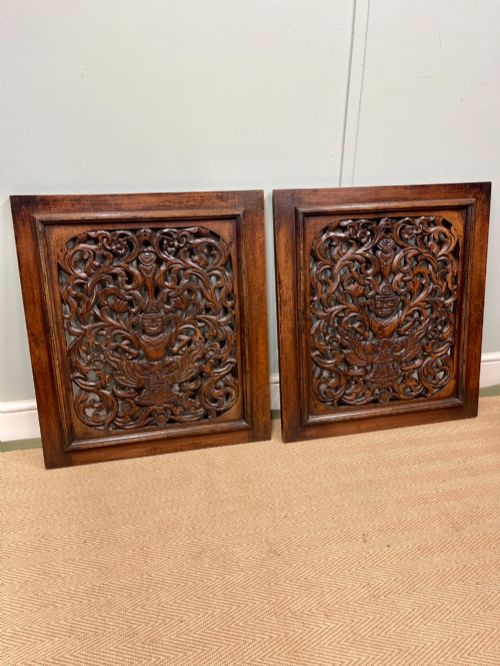
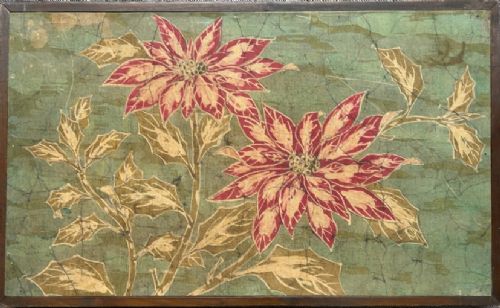
Wooden items utilise traditional joinery and carved lacquer techniques, incorporating glass elements and painted surfaces for framed panels and hanging shelves. Artisans constructed these items by hand, integrating weaving, embroidery, and woodworking traditions specific to their local culture.
Asian Wall Hanging Retail Price Guide 2026
Typical asking prices for asian wall hanging among the pieces listed under this phrase on Sellingantiques today, from the lower quarter to the upper quarter. They describe what is for sale here now, not the wider market.
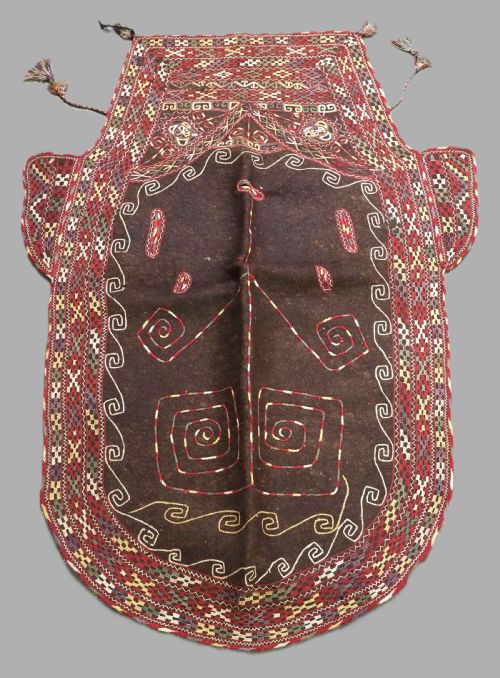
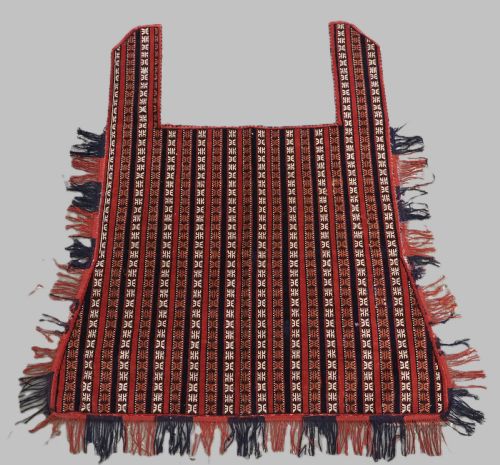
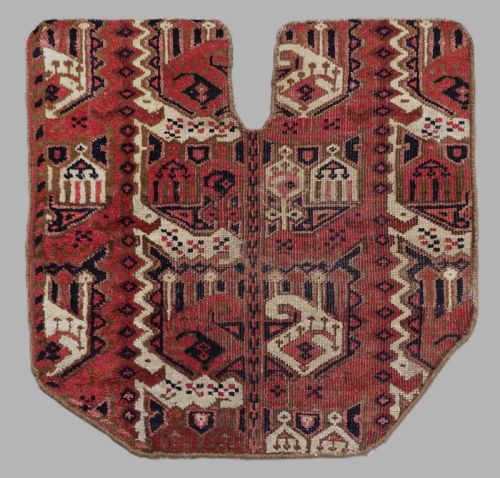
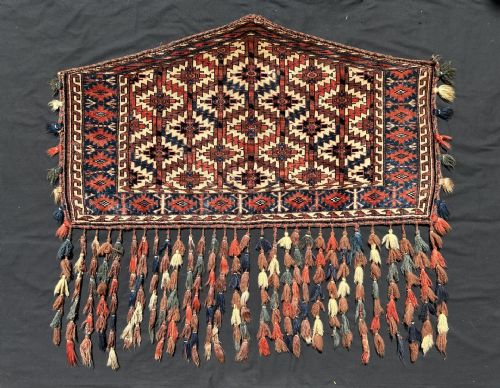
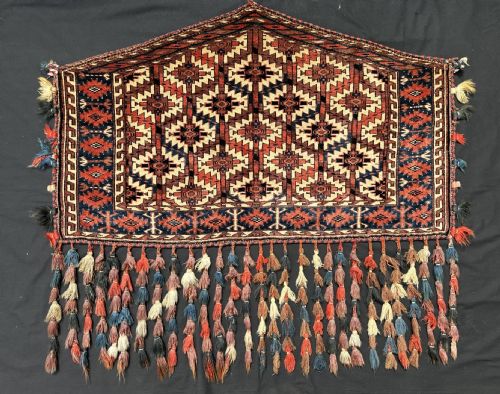
Several horse blankets on offer were once worn by prized wedding camels during nomadic ceremonies across the steppes.
What Varies in Quality
Quality differences stem from the density of the handwork, the complexity of the design layout, and the preservation of the original materials. Finer examples display meticulous stitching, tight knotting, and intricate patterns that reflect the high status of the maker or commissioning family.
The Asian Wall Hanging Glossary
- Suzani
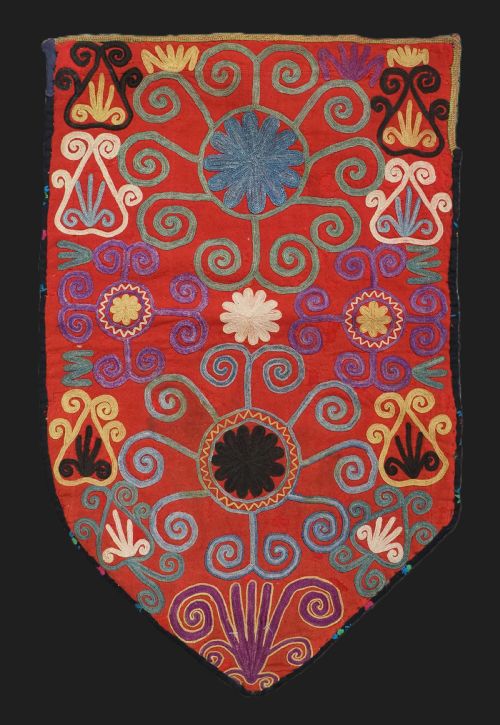
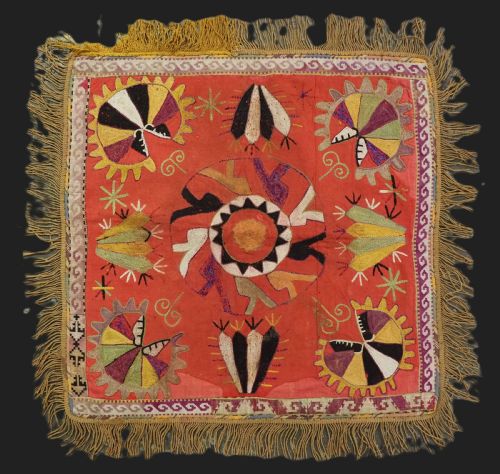
- An embroidered tribal textile originating from Uzbekistan, typically featuring floral or architectural silk designs on a cotton ground. These large panels were traditionally created as part of a bride's dowry.
- Ilgich
- A specific form of hanging embroidery produced by the Uzbek Lakai tribe, often used for domestic decoration. They display geometric applique and lively needlework.
- Asmalyk
- A pentagonal trapezoid trapping used by Yomut and other Turkmen tribes to decorate wedding camels. They are collected today as textile wall art.
- Torba
- A small Turkmen storage bag or wall hanging featuring tribal guls and traditional motifs. They were woven by nomadic groups using wool and natural dyes.
- Lacquered wood
- Wood treated with multiple layers of natural resin varnish to create a durable, glossy surface. It is often carved or painted with traditional scenes.
Asian Wall Hanging: Frequently Asked Questions
How were tribal textiles used originally?
Many of these textiles served practical or ceremonial functions within nomadic households, acting as horse blankets, saddle covers, or dowry items. They decorated yurts and living spaces during important cultural events.
Over time, these functional objects transitioned into decorative wall art as collectors recognised their artistic merit and historical importance.
How do I hang a fragile textile safely?
Textiles require careful mounting methods that distribute weight evenly across the fabric rather than placing stress on a single point. Conservation framing behind glass protects delicate silk and wool from dust and handling.
Alternatively, a padded sleeve can be stitched to the reverse to accommodate a hanging rod, keeping the piece flat and secure.
What is the difference between an ilgich and a suzani?
An ilgich is specifically associated with the Lakai tribe of Uzbekistan and tends to be smaller in scale with distinct geometric applique. Suzanis are generally larger embroidered panels from urban or village workshops featuring expansive floral designs.
Both fall under the wider umbrella of Central Asian needlework but serve different regional and stylistic traditions.
How do I identify a Yomut Turkmen piece?
Yomut weavings are typically distinguished by specific göls, which are repetitive octagonal medallion motifs, alongside hooked borders and deep madder red dyes. Their horse covers and asmalyks display a rigorous adherence to tribal geometry.
Studying the specific wool quality and structure helps differentiate Yomut work from neighbouring Tekke or Ersari tribes.