





Asian Stone Figure
An asian stone figure brings tactile presence into a room, carved from jade, marble or soapstone across centuries of Asian artistry.
Asian Stone Figure
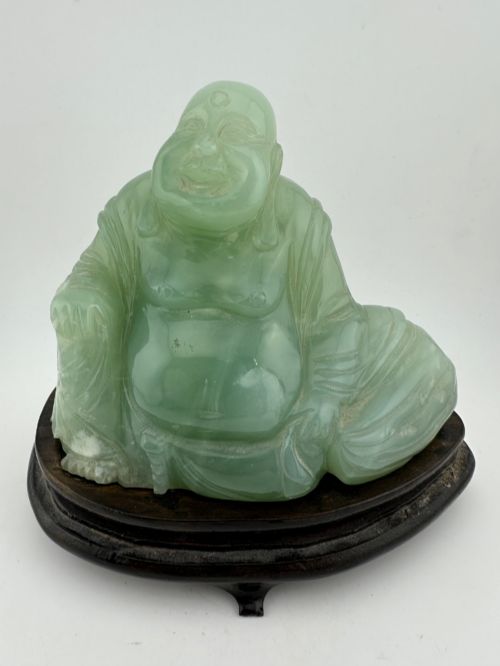
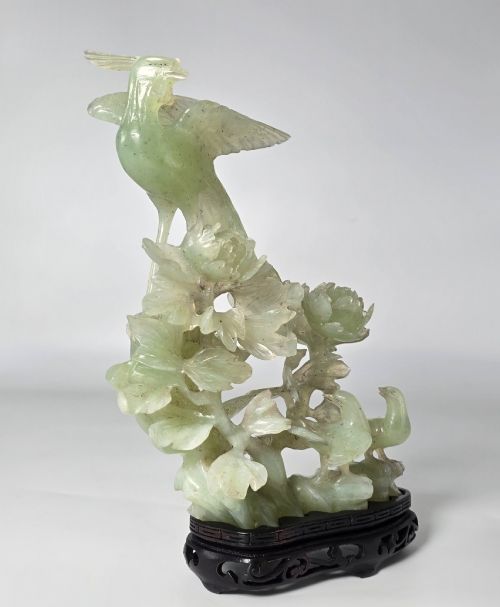
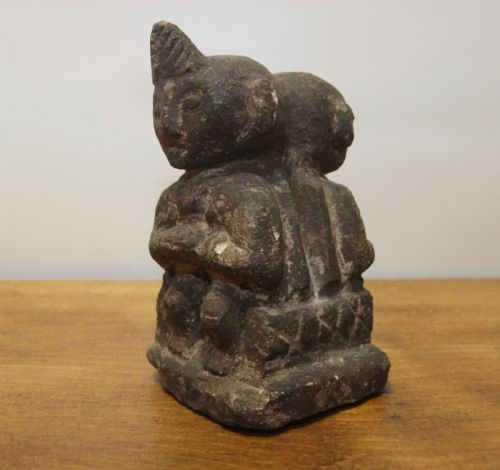
An asian stone figure encompasses everything from monumental temple statues to intimate carvings, spanning periods from pre-sixteenth century antiquities to the Republic era and twentieth-century workshops. The pieces you will most frequently encounter here are Chinese carvings in jade, hardstone and soapstone, alongside Southeast Asian temple sculptures.
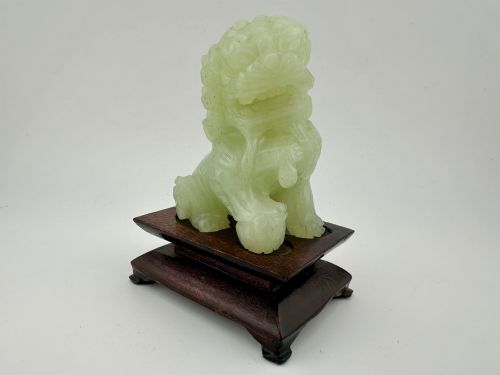
Forms range from guardian lions, Foo dogs and Buddha figures to sages, animals and mythological groups. These sculptures vary widely in scale, shifting from small desk ornaments and snuff bottles to large standing deities displayed on stands.
Origins stretch across China and Burma, reflecting distinct regional spiritual and secular traditions. Whether carved during the Qing dynasty or later revival periods, each object carries the sculptural conventions of its time.
Distinctions in craftsmanship
Quality rests primarily on the sensitivity of the carving and the purity or clever use of the material. Superior pieces display fluid, confident lines that animate the stone, whereas lesser examples feel stiff and uninspired.
The precision in rendering anatomical details, hands and drapery separates workshop output from master works. Translucency in jade and the preservation of original gilding or surface finish also elevate a piece.
Asian Stone Figure Retail Price Guide 2026
Typical asking prices for asian stone figure among the pieces listed under this phrase on Sellingantiques today, from the lower quarter to the upper quarter. They describe what is for sale here now, not the wider market.
Current listings feature materials ranging from jade and bowenite to marble and alabaster, spanning periods from pre-sixteenth century to the mid-twentieth century.
The Asian Stone Figure Glossary
- Hardstone
- A non-precious mineral substance used for carving, including quartz, serpentine and jade. These materials demand abrasive cutting techniques rather than simple knife work.
- Bowenite
- A serpentine mineral resembling jade that accepts a fine polish. It appears frequently in substantial Chinese animal and rider groups.
- Foo Dog
- A traditional guardian lion sculpture placed to protect a threshold or temple. They typically feature stylized manns and open mouths.
- Republic Period
- The era of Chinese history from nineteen twelve to nineteen forty-nine. Carvings from this time often revive earlier imperial styles with precise detail.
- Mandalay Period
- A distinct phase of Burmese Buddhist art known for serene facial expressions and elaborate monastic robes. Statues from this tradition are frequently carved in white marble.
Asian Stone Figure: Frequently Asked Questions
How do I display a stone figure?
Place stone figures on stable surfaces where their weight is fully supported, utilising wooden bases or iron stands where provided. Keep them away from direct heat sources to protect the surface finish.
Allow adequate clearance around larger sculptures so the form can be viewed from multiple angles. Proper lighting will highlight the natural translucency of jade and hardstone pieces.
How are different periods identified?
Periods are recognised through stylistic markers, tool marks and the specific characteristics of the stone or carving tradition. Republic period pieces often show cleaner finish work compared to earlier dynasties.
Examining the weathering on marble or the wear patterns on temple pieces helps establish age. Comparing the sculptural canon of dynasties like the Qing provides further context.
Were these figures meant for temples?
Many larger marble and stone statues originated in Burmese or Southeast Asian temples as objects of devotion. Others served domestic ritual functions in Chinese homes and scholars' studios.
Secular figures such as sages, boys and animals were intended as decorative display items or auspicious gifts. Their original context dictates their scale and iconography.
How do I clean an antique stone figure?
Dust gently with a soft, dry brush to remove particulate matter from crevices and carved details. Avoid using water, soap or chemical solvents on porous stones or gilded surfaces.
If the stone has an accumulation of old wax or grime, consult a professional conservator rather than attempting wet cleaning. Preserving the surface patina is essential for maintaining the integrity of the piece.