

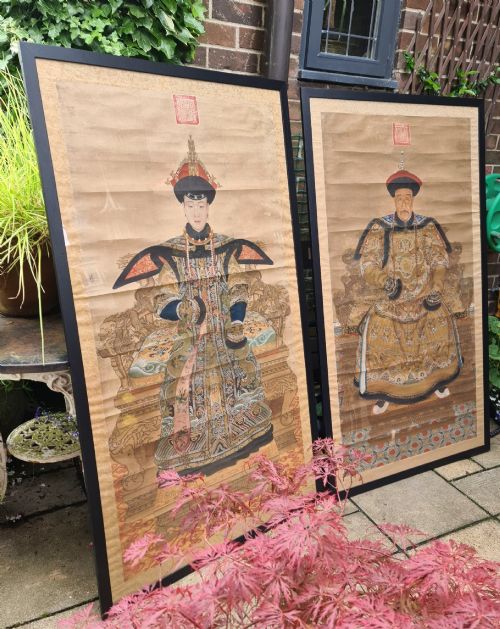
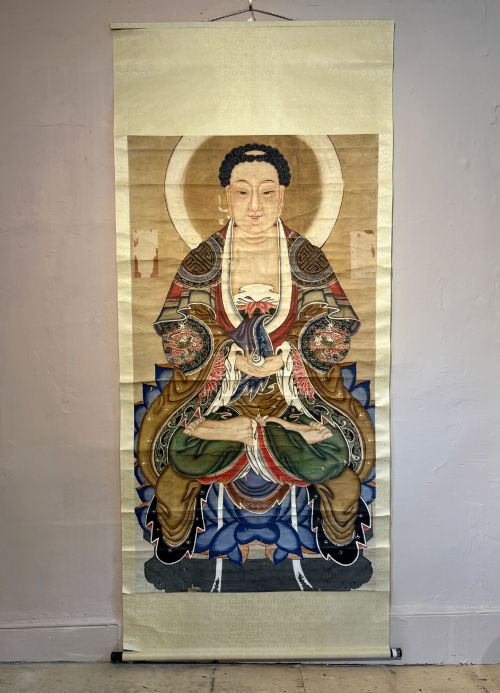
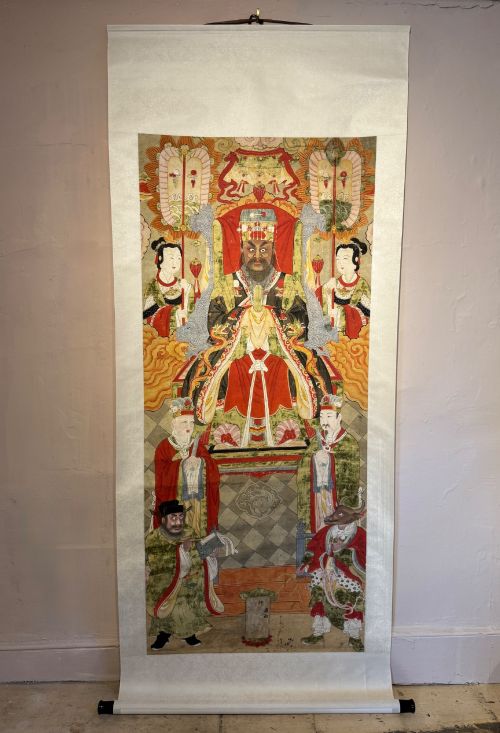
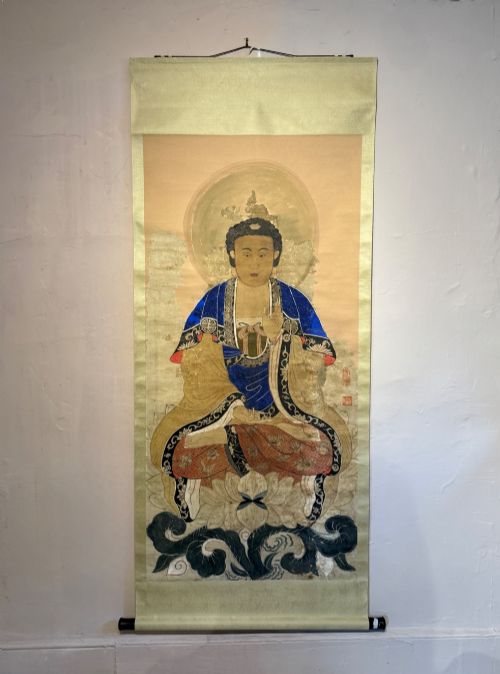

Asian Silk Hanging
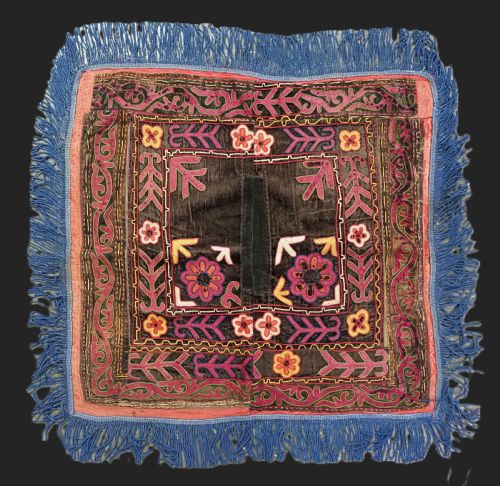
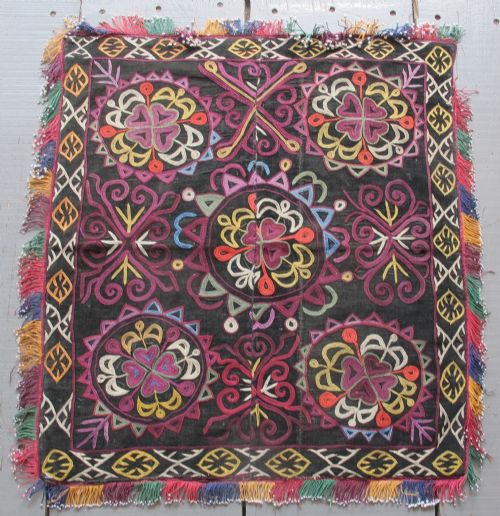
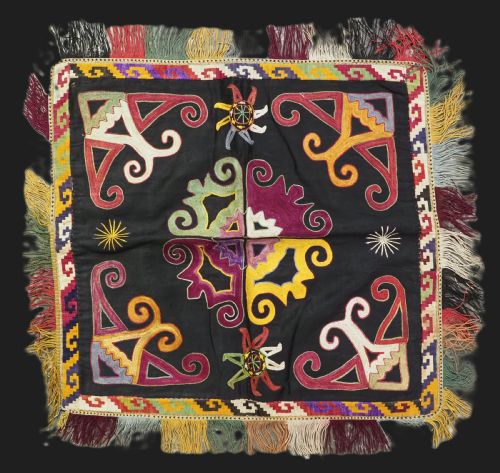
An asian silk hanging brings vibrant textile artistry into a room, offering rich embroidered panels and woven wall coverings from Central Asian traditions.
Asian Silk Hanging
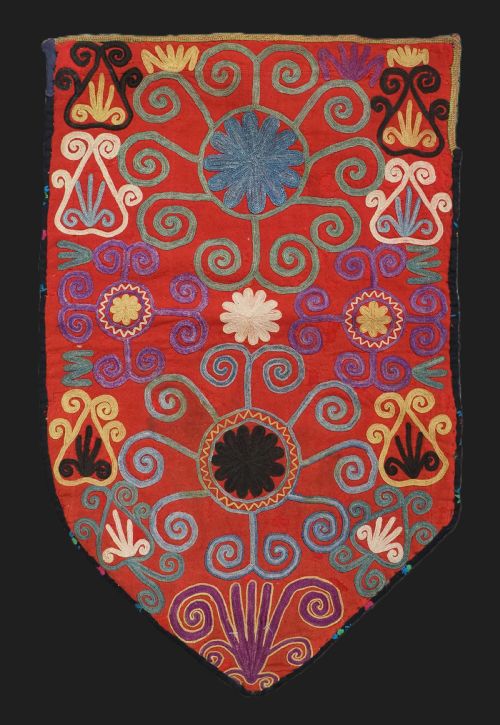
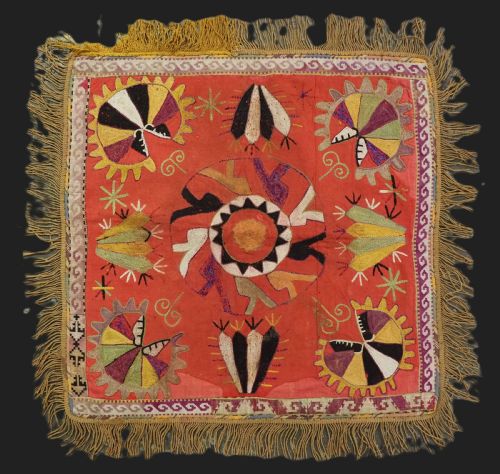
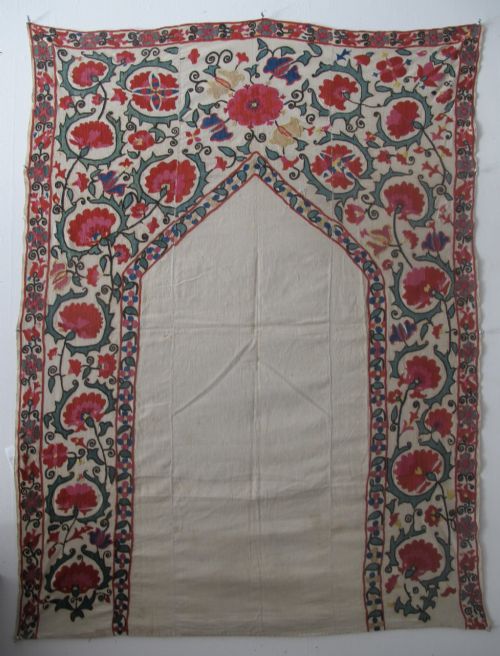
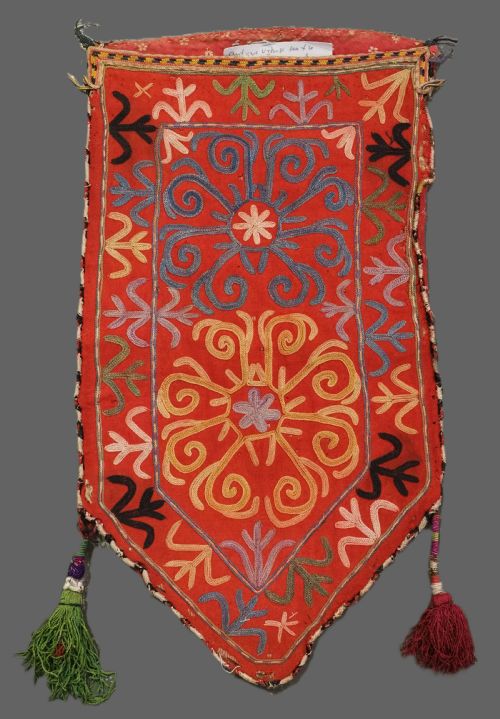
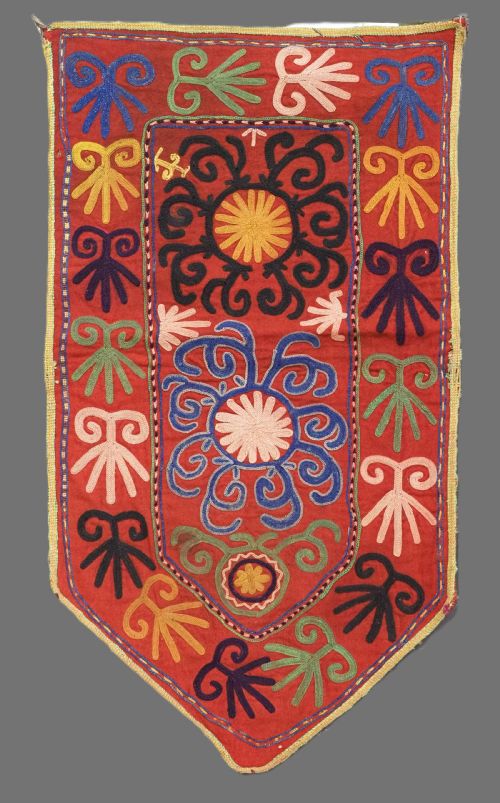
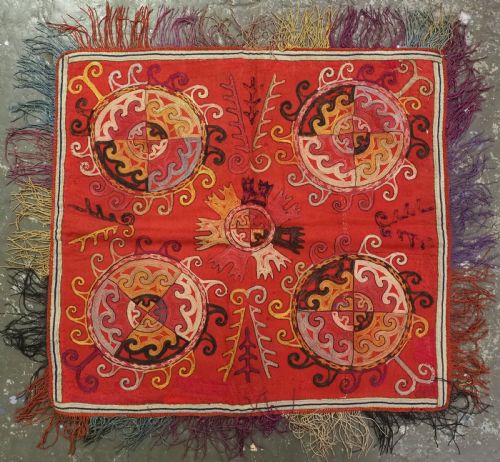
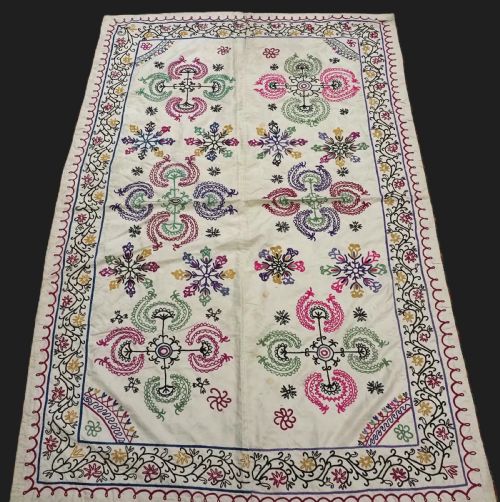
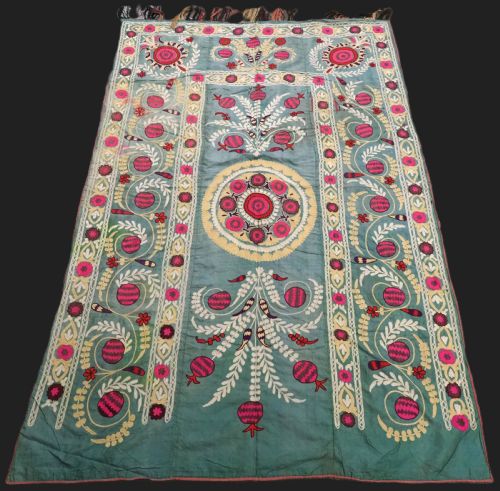
When searching for an asian silk hanging, collectors encounter a diverse range of historic textiles originating primarily from Central Asia, including Uzbekistan, with examples spanning from the mid-nineteenth century into the early twentieth century. These textiles encompass various traditional forms such as suzani embroideries, Lakai tribalilgich panels, ikat fabric panels, and framed pictorial works.
What Varies In Quality
The calibre of an asian silk hanging depends heavily on the fineness and density of the needlework, the complexity of the design layout, and the integrity of the natural dye palette. Superior examples demonstrate exceptional precision in execution, particularly in detailed pictorial or medallion compositions.
Preservation of the original textile ground and silk threads also dictates the standing of a piece. Items retaining their original structural proportions, vibrant colour saturation, and complete borders command greater appreciation among collectors of traditional Central Asian folk art.
Asian Silk Hanging Retail Price Guide 2026
Typical asking prices for asian silk hanging among the pieces listed under this phrase on Sellingantiques today, from the lower quarter to the upper quarter. They describe what is for sale here now, not the wider market.
Materials recorded across the inventory include silk, cotton, wool, wood, glass, velvet, and glass beads.
The Asian Silk Hanging Glossary
- Suzani
- An embroidered tribal wall hanging or textile panel originating from Central Asia, traditionally worked in silk on a cotton or silk foundation with bold floral or medallion designs.
- Ikat
- A dyeing and weaving technique where yarn is resist-dyed prior to being woven into patterned fabric panels, commonly produced in Bukhara and surrounding regions.
- Ilgich
- A specific form of Central Asian dowry embroidery created for wall hanging use, frequently associated with the Lakai tribe.
- Adras
- A traditional semi-silk fabric woven with a cotton warp and a silk welt, often utilised for patterned ikat panels and garments.
- Torba
- A small ceremonial bag or hanging face with embroidered highlights, often produced by Turkmen and Lakai makers.
Asian Silk Hanging: Frequently Asked Questions
What is an asian silk hanging?
An asian silk hanging is a traditional textile panel, embroidery, or woven wall covering originating largely from Central Asia and dating from the nineteenth and early twentieth centuries.
These pieces include suzanis, tribal ilgich panels, and ikat fabrics created by makers in regions such as Uzbekistan and Bukhara.
How were these wall hangings used?
Historically, many of these textiles served as domestic furnishings, dowry items, or ceremonial hangings within yurt dwellings and traditional homes.
Items like suzanis and yurt wall decorations were displayed to bring colour, status, and traditional pattern into domestic living spaces.
How do I date an antique textile?
Dating relies on examining the materials, dye types, regional working techniques, and stylistic markers consistent with nineteenth and early twentieth-century production.
Comparing structural elements such as the silk thread quality and foundation fabric helps place pieces within specific decades like the eighteen-eighties or nineteen-hundreds.
How should I care for silk textiles?
These delicate historic textiles require protection from direct sunlight to prevent fading of the natural silk threads and dyed grounds.
Mounting pieces professionally behind glass or supporting them evenly on a suitable backing helps preserve the fragile fabric over time.