





Asian Porcelain Pottery
Asian porcelain pottery spans centuries of craftsmanship from China and Japan, offering intricate decorative plates, vases, and figures that bring historic artistry into a modern room.
Asian Porcelain Pottery
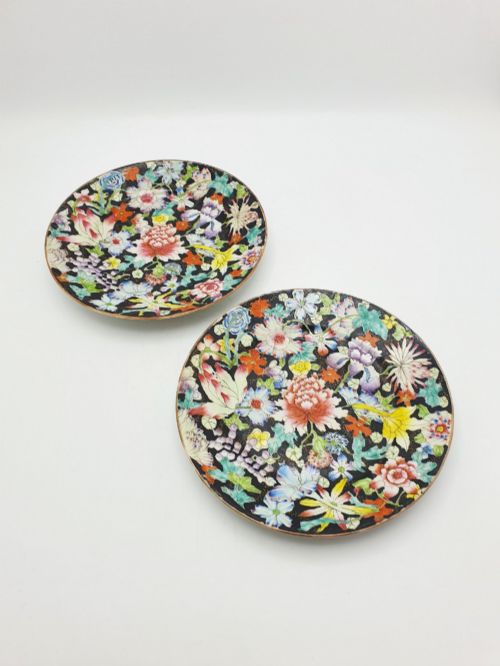
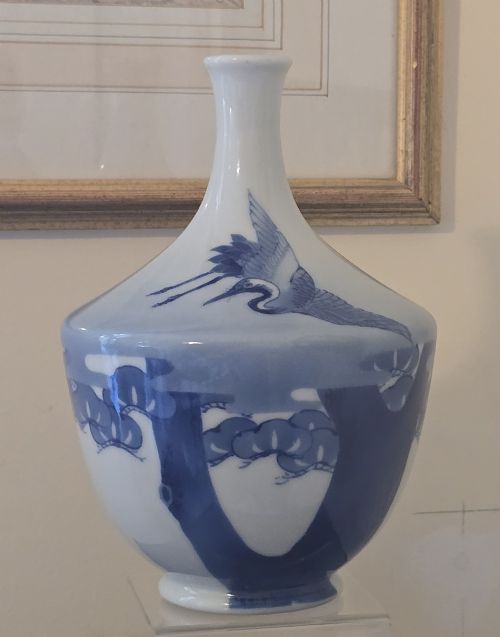
Asian porcelain pottery encompasses a diverse selection of decorative items, including vases, bowls, dishes, incense burners, and figural okimono. These objects originate from various periods such as the Ming Dynasty, Qing Dynasty, and the Japanese Meiji period.
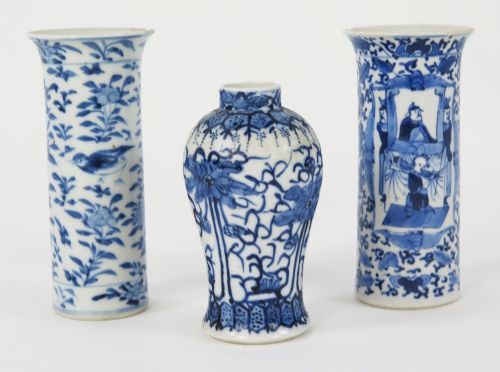
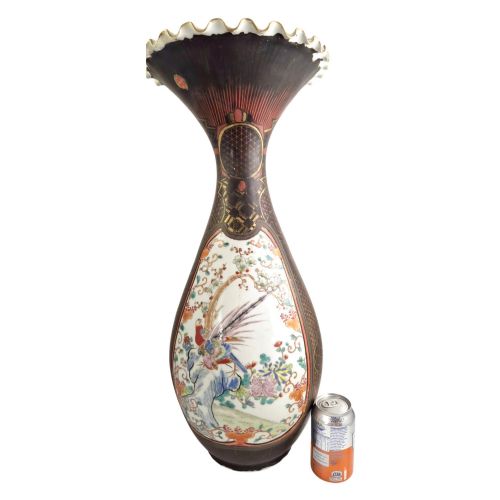
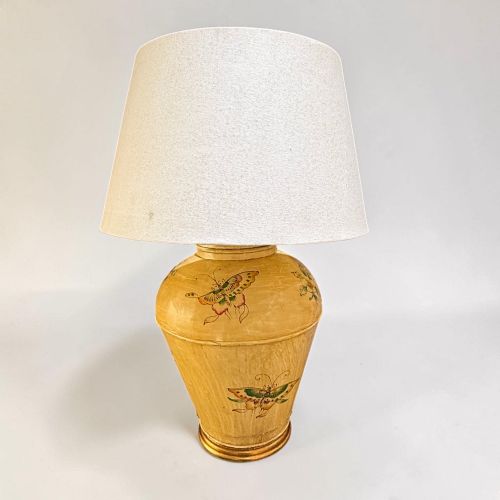
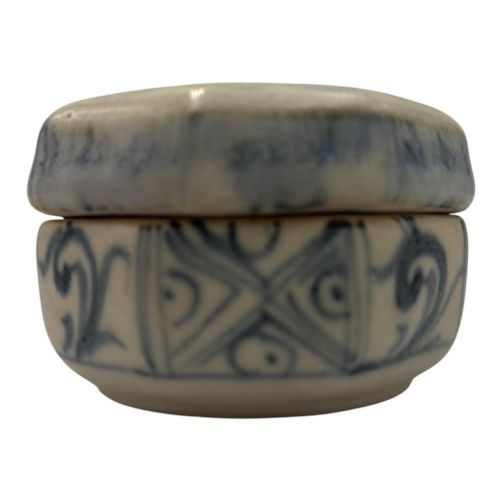
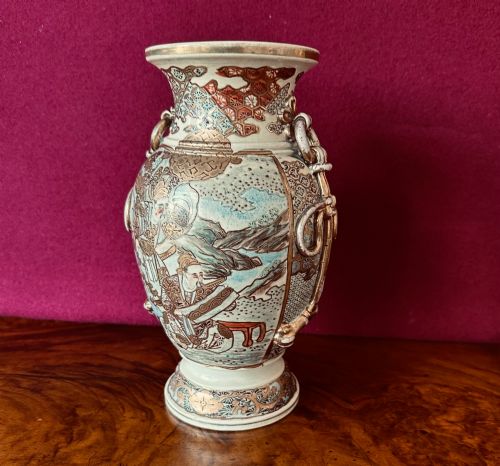
Buyers will most frequently encounter Japanese Satsuma and Kutani wares alongside Chinese blue and white porcelain and celadon pieces. Forms range from large floor vases and table lamps to small ginger jars and covered boxes.
The selection reflects both export items made for Western markets and pieces created for domestic use. Originating from distinct regional kilns and dynasties, each item carries specific stylistic markers of its era.
What varies in quality
Quality depends upon the precision of the hand-painted decoration and the complexity of the enamel work. Pieces featuring finely rendered figural scenes or dense gilt patterns demonstrate superior artisan control.
The refinement of the underlying porcelain body and the evenness of the glaze application distinguish standard production wares from master workshop creations.
Asian Porcelain Pottery Retail Price Guide 2026
Typical asking prices for asian porcelain pottery among the pieces listed under this phrase on Sellingantiques today, from the lower quarter to the upper quarter. They describe what is for sale here now, not the wider market.
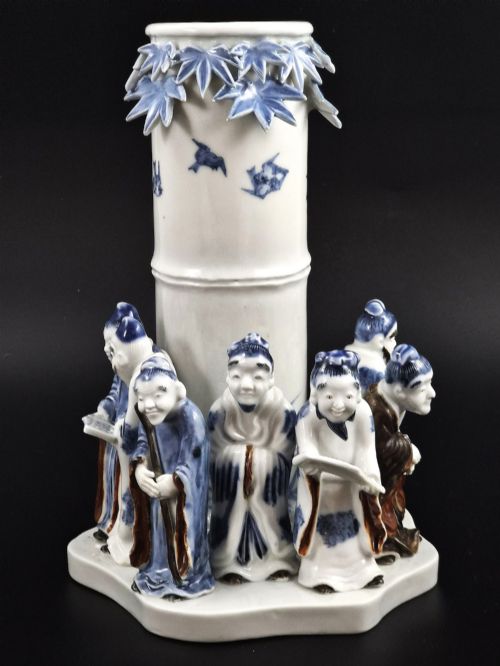
Several items depict the thousand Arhats and sages, proving that antique pottery needs plenty of company.
Kinkōzan Workshop·Makuzu Kozan·Koshida·Hotoda·Manpei
The Asian Porcelain Pottery Glossary
- Celadon
- A type of transparent green glaze applied over a pale clay body. It often creates a jade-like appearance with subtle crackle patterns.
- Imari
- A style of Japanese export porcelain decorated in underglaze blue, iron red, and gold. The palette is typically bold and highly ornamental.
- Okimono
- A small Japanese freestanding carving or figurine intended for display. These figures often depict deities, animals, or historical sages.
- Satsuma
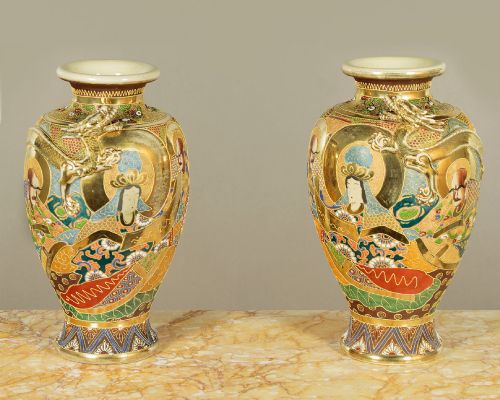
- An earthenware pottery from Japan with a crackled ivory glaze. It is traditionally decorated with intricate polychrome enamels and gold leaf.
- Censer
- A vessel designed for burning incense during rituals or domestic use. Tripod examples rest upon three small feet.
Asian Porcelain Pottery: Frequently Asked Questions
How do I date antique Satsuma pottery?
Examine the signature, the crackle of the glaze, and the intricacy of the gilding. Pieces from the Meiji period often display dense enamel work and distinct studio stamps.
Comparing the weight and the style of the figures provides further clues to whether a piece originates from the nineteenth or early twentieth century.
What is Chinese blue and white porcelain?
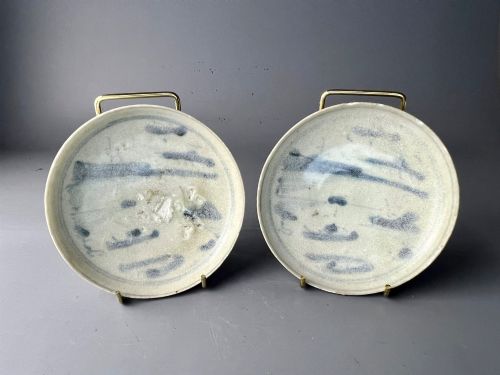
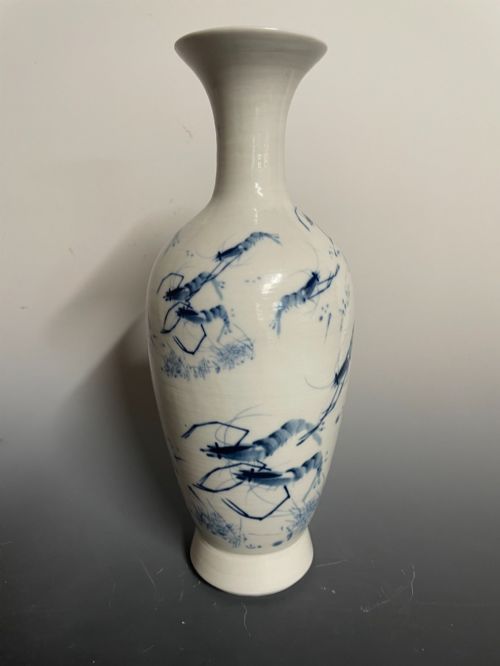
This tradition involves painting cobalt blue designs directly onto the white clay body before applying a clear glaze and firing. The method dates back centuries across various dynasties.
Items range from cargo shipwreck dishes to large decorative vases intended for display.
Where should I place a porcelain vase at home?
Position heavier pieces like floor vases or large ginger jars in stable corners away from foot traffic. Smaller vessels and bowls work well on sturdy wooden tables or within display cabinets.
Keep items out of direct sunlight to protect delicate overglaze enamels and gold leaf details.
How do I distinguish Kutani from Imari ware?
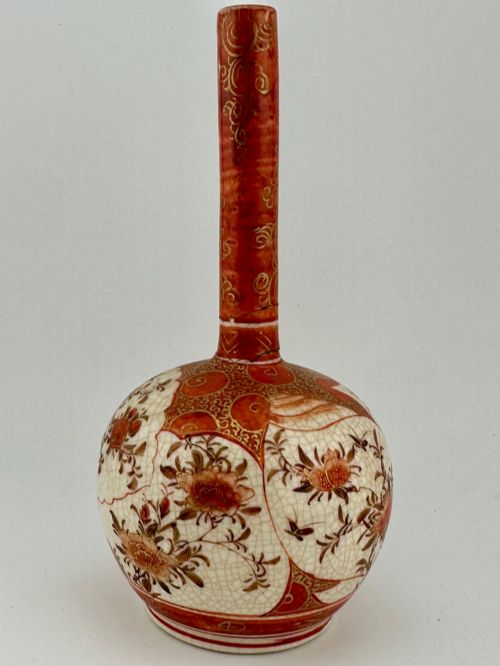
Kutani porcelain frequently relies on a dominant iron red palette alongside green, purple, and gold, often featuring pictorial scenes or figural okimono. Imari pieces typically combine deep underglaze blue with striking red and gilt ornamentation.
Checking the base for kiln marks helps clarify the specific regional origin.