





Asian Painted Table
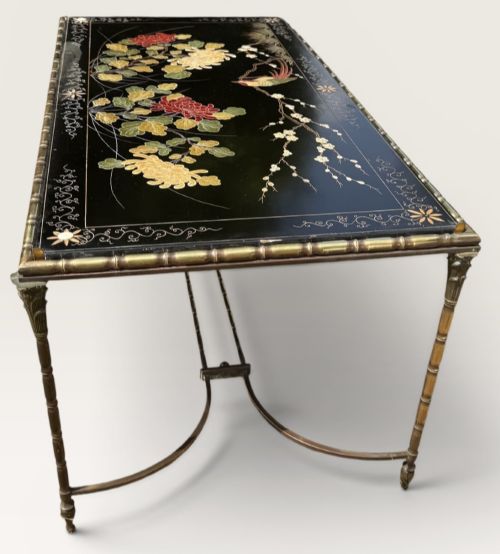
An asian painted table brings rich colour and surface texture into a room, spanning styles from Chinoiserie to Japanese Edo and Meiji periods.
Asian Painted Table
An asian painted table encompasses coffee tables, console tables, side tables, and plant stands created across the seventeenth through twentieth centuries.
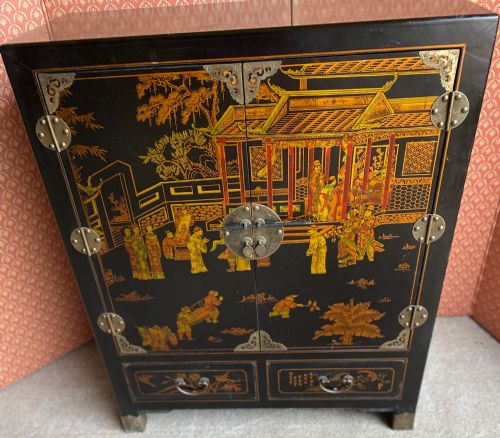
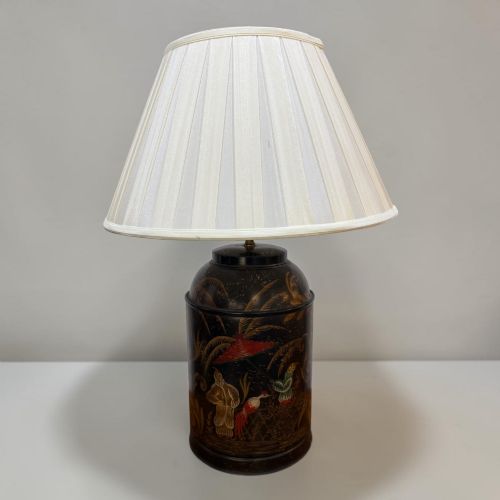
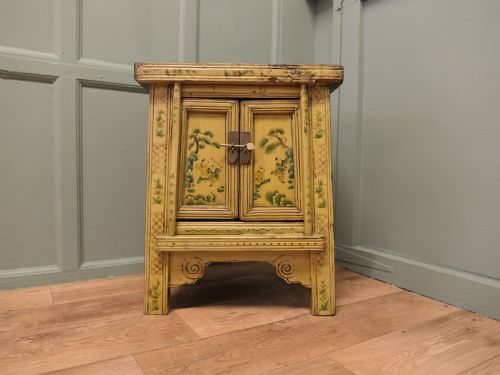
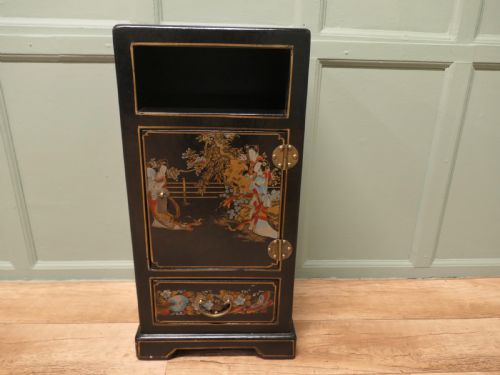
The selections on this page feature red, cream, and black lacquer finishes, alongside traditional forms influenced by Chinese Export, Qing Dynasty, and Edwardian Chinoiserie aesthetics.
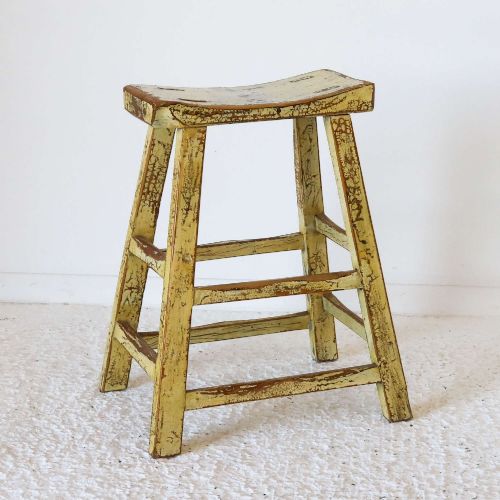
Buyers encounter items ranging from low coffee tables and altar tables to side cabinets and stools, reflecting diverse regional workshops.
How They Were Made
Wood serves as the primary structural foundation, with materials such as elm utilised for solid frames and pedestals.
Lacquered wood and applied paint provide the distinct decorative surfaces, often layered over organic substrates.
Brass mounts occasionally reinforce corners and structural joints, adding metallic contrast to the painted panels.
Asian Painted Table Retail Price Guide 2026
Typical asking prices for asian painted table among the pieces listed under this phrase on Sellingantiques today, from the lower quarter to the upper quarter. They describe what is for sale here now, not the wider market.
The listings include pieces spanning from the 17th Century through to the 1930s, featuring wood, lacquer, and brass.
What Varies in Quality
The integrity of the original surface finish dictates the visual impact, distinguishing preserved historical lacquer from later repainting.
The fineness of the painted detail and the depth of the lacquer layers separate standard utility pieces from more ambitious decorative works.
Maison Bagues
The Asian Painted Table Glossary
- Chinoiserie
- European interpretation and imitation of Chinese and East Asian artistic traditions, popular in furniture and decorative arts. This style frequently employs hand-painted figures, landscapes, and floral motifs on lacquered backgrounds.
- Lacquer
- A durable resin finish applied in multiple thin coats and polished to a smooth sheen. It provides both protection and a deep, glossy surface for painted decoration.
- Altar table
- A traditional rectangular form characterised by slender proportions and upturned ends. These pieces originated for ceremonial use before being adapted for domestic interiors.
- Kutani
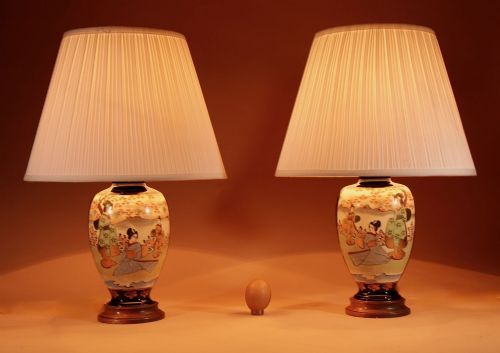
- A style of Japanese coloured porcelain known for bold palettes and intricate enamel work. Pieces in this tradition often feature detailed figural or botanical scenes.
Asian Painted Table: Frequently Asked Questions
How do I clean an antique lacquered surface?
Dust gently with a soft, dry cloth to protect the delicate paint and lacquer layers from abrasion.
Avoid chemical polishes and moisture, which can damage historical finishes over time.
Where should I place a console table?
These tables fit well in hallways, living rooms, or dining spaces as focal points for lamps and decorative objects.
Ensure the piece is protected from direct sunlight to preserve the painted pigments.
What distinguishes Chinoiserie from traditional Chinese design?
Chinoiserie represents European design inspired by Asian aesthetics, combining Western furniture forms with Eastern motifs.
Traditional pieces follow indigenous historical periods like the Qing Dynasty or Edo Period directly.
How can I tell the age of the wood?
Examine the construction joints, tool marks, and the natural wear patterns on the underside of the table.
Original elm frames and early lacquer surfaces display age-related shrinkage and craquelure consistent with their period.