





Asian Painted Side Table
These asian painted side table examples bring vibrant colour and hand-finished pattern to a room, offering both surface utility and distinct regional character.
Asian Painted Side Table
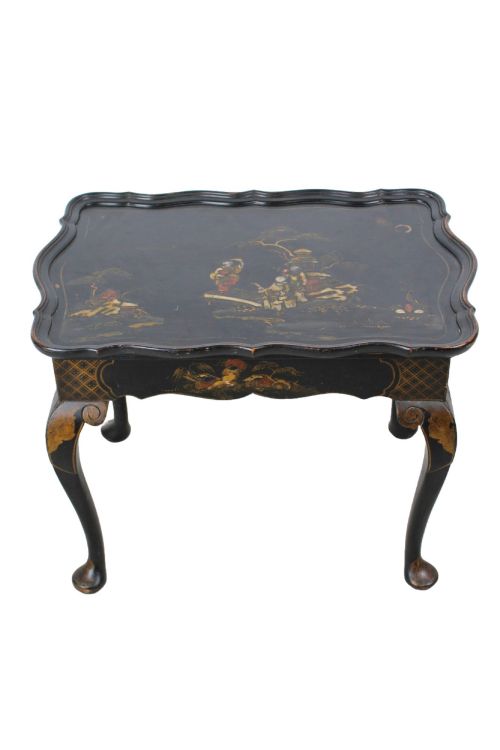
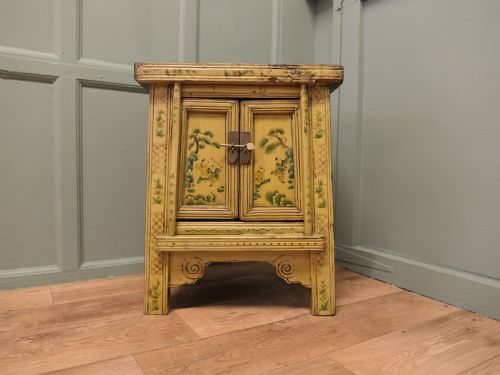
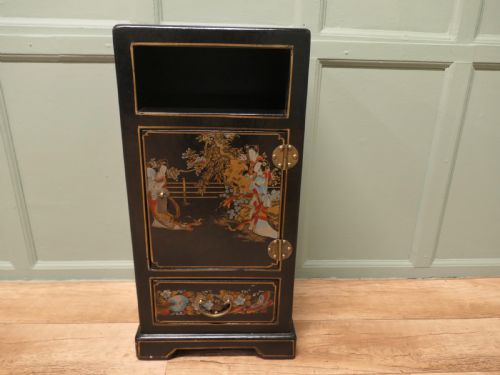
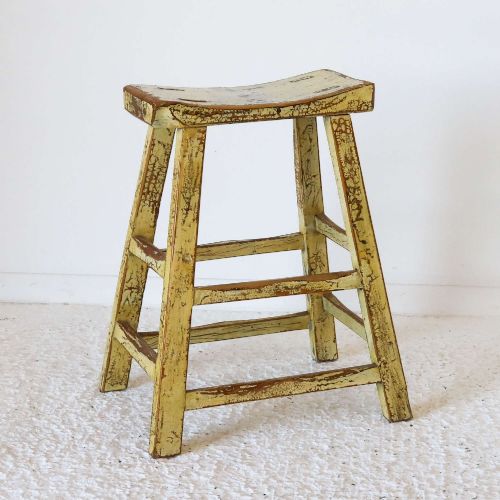
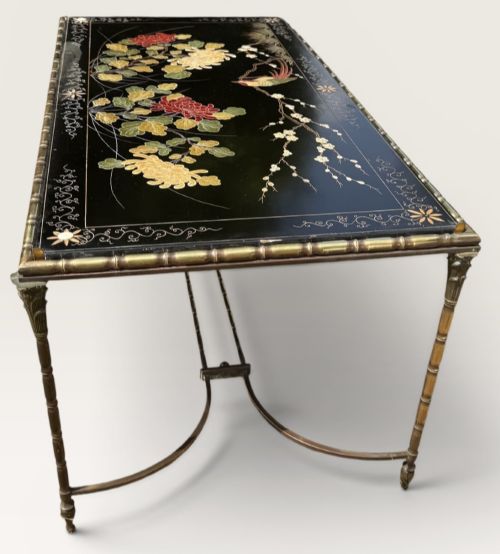
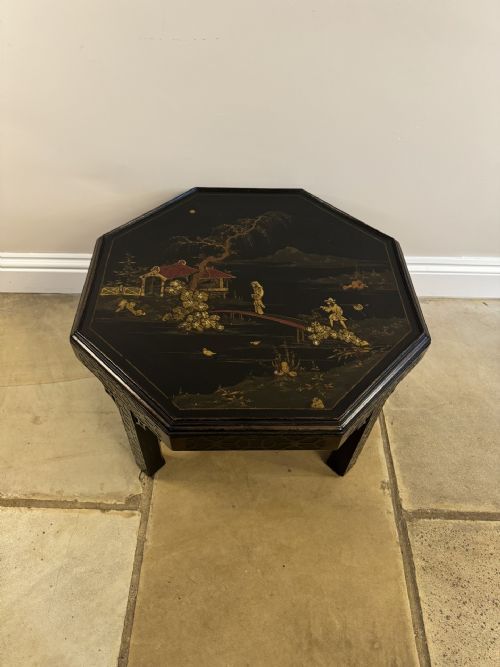
An asian painted side table encompasses small occasional furniture finished with decorative pigments, lacquer, or gilding, drawing from regional traditions across China, Japan, India, and Burma. The selection on this page spans the nineteenth century through the mid-twentieth century, capturing diverse forms such as low coffee tables, compact cabinets, plant stands, and occasional tables. Chinoiserie interpretations from the Edwardian era sit alongside provincial elm stools and altar table designs.
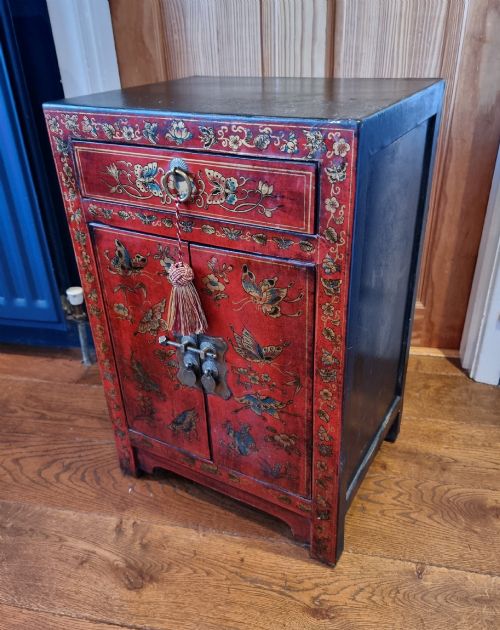
Buyers seeking an asian painted side table will encounter both European interpretations of Asian motifs and authentic export pieces originating from regional workshops. Surface treatments range from bold red and cream lacquer to delicate gold leaf detailing on wood structures. Forms vary considerably from simple village tables in teak to tray-top coffee tables and nesting sets.
Materials and construction methods
Wood serves as the foundational substrate for these pieces, with specific listings recording elm, teak, and general lacquered wood. Artisans applied successive coats of lacquer to build up hard, smooth surfaces before adding painted details in polychrome pigments or gold leaf.
Metal elements such as brass appear as structural accents or hardware on cupboards and side cabinets. Surface decoration relies on hand-painted artistry, ranging from refined Chinoiserie scenes to robust folk art and provincial motifs.
Asian Painted Side Table Retail Price Guide 2026
Typical asking prices for asian painted side table among the pieces listed under this phrase on Sellingantiques today, from the lower quarter to the upper quarter. They describe what is for sale here now, not the wider market.
One sculptural table incorporates an elephant complete with carved body and tusks.
Assessing quality in painted furniture
The sophistication of the painted surface and the preservation of the original finish dictate the standing of an individual piece. Superior examples display crisp brushwork, intricate application of gold leaf or gilt, and harmonious integration of motif across the wooden form.
Structural integrity of the underlying timber and the depth of the lacquer layers further distinguish finer pieces from simpler utilitarian items. The finesse of the regional carving or the authenticity of the period design, such as Kangxi period styling on an export altar table, elevates the piece.
Maison Bagues
The Asian Painted Side Table Glossary
- Chinoiserie
- European decorative style reflecting Chinese artistic influences, popular in various periods including the Edwardian era. It frequently utilises lacquer, painted motifs, and gilt.
- Lacquer
- A durable resin finish applied in multiple layers to wood and polished to a hard sheen. This technique protects the timber while providing a smooth ground for painted decoration.
- Altar table
- A traditional Chinese form characterised by slender proportions and upturned ends, adapted in export pieces for domestic use.
- Gilt
- Application of gold leaf or gold paint to highlight carved details or borders on the furniture surface.
- Tray top
- A tabletop design featuring a raised edge or gallery, often utilised on coffee tables to contain items placed upon it.
Asian Painted Side Table: Frequently Asked Questions
What periods do these tables span?
The listings cover pieces originating from the nineteenth century through the early twentieth century, including Edwardian and Victorian examples alongside specific dates like 1900, 1920, and 1930.
This timeline includes both direct regional export items and European revival pieces created under the influence of Chinoiserie design.
Where were these tables made?
Origins include China, Burma, and India, alongside European workshops producing Chinoiserie items.
Regional variations reflect local woodworking traditions, such as Chinese elm construction or Burmese teak village tables.
How do I care for a lacquered table?
Protect the surface from direct sunlight and excessive moisture by using coasters and mats. Dust gently with a soft, dry cloth without applying harsh chemical polishes.
Maintaining stable room humidity prevents the timber substrate from expanding and cracking the delicate lacquer layers above.
What is the difference between provincial and Chinoiserie pieces?
Provincial pieces exhibit utilitarian regional charm with simple folk art finishes, utilising native timbers like elm or teak. Chinoiserie items represent decorative interpretations featuring ornate painted scenes, gold leaf, and polished lacquer.
While provincial furniture prioritizes structural utility and regional character, Chinoiserie focuses on decorative visual impact.