



Asian Painted Lamp
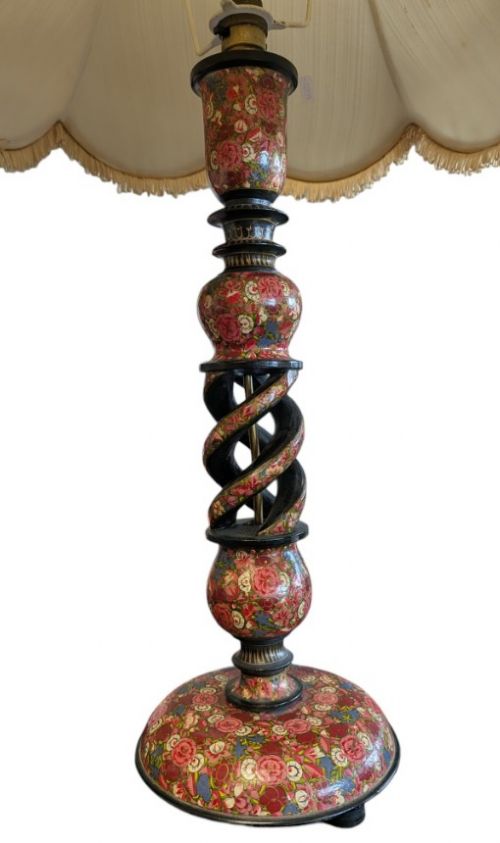
An asian painted lamp brings hand-painted pottery and lacquered wood into a room, turning antique vases and decorative stands into working lighting.
Asian Painted Lamp
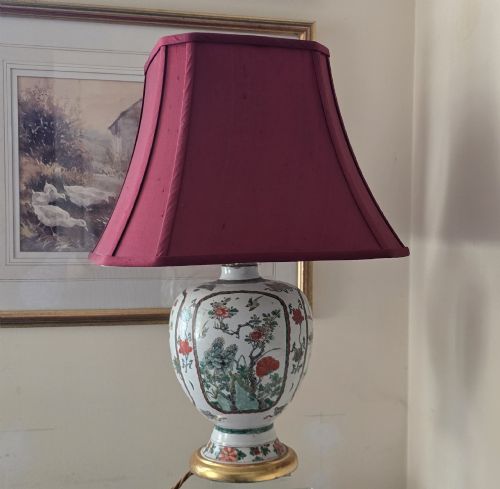
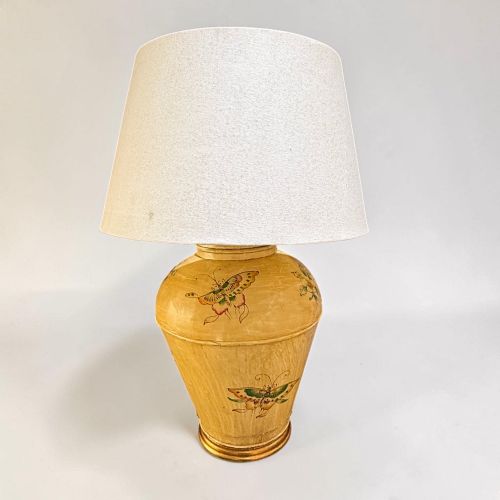
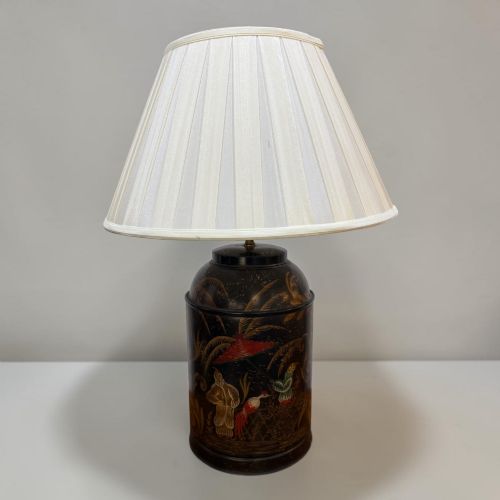
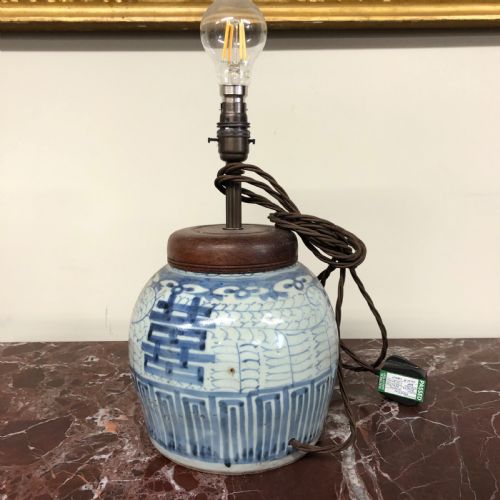
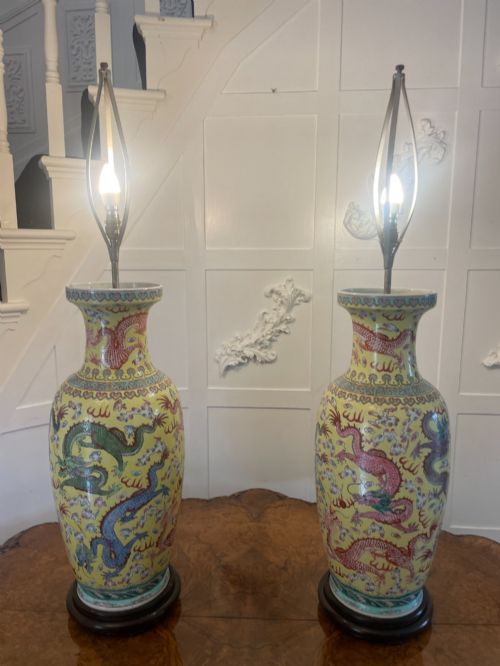
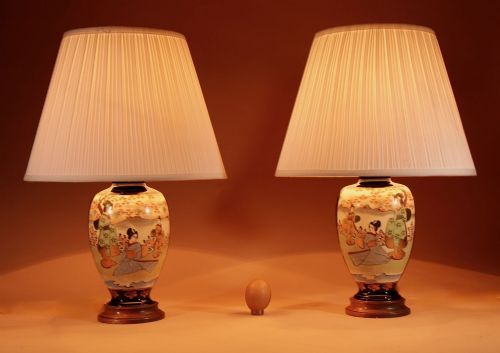
When you search for an asian painted lamp, you find lighting formed from converted antique vases, lacquered wooden columns and hand-decorated stands. The selection relies heavily on porcelain vessels from Chinese and Japanese traditions paired with standard lamps in Chinoiserie finishes.
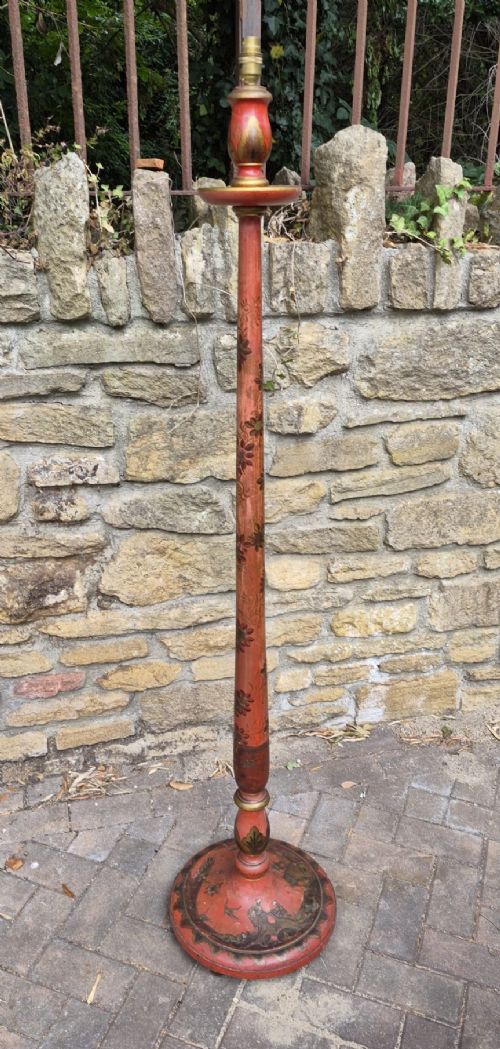
The most common pieces on this page are table lamps made from porcelain vases and floor-standing standard lamps finished with painted lacquer. These objects often combine centuries-old ceramic production with later electrical conversion.
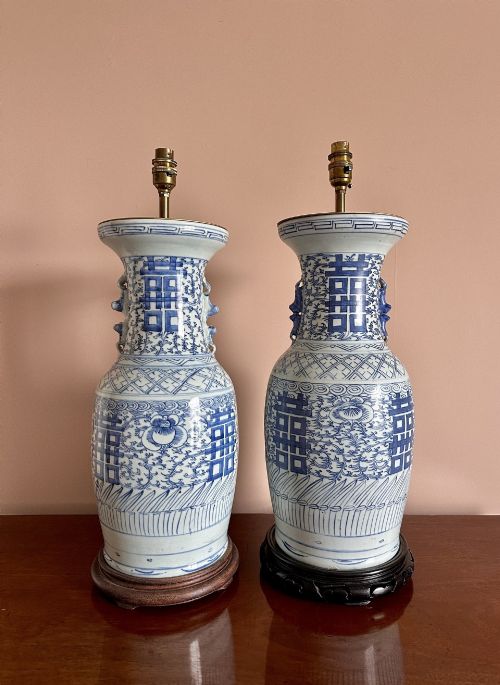
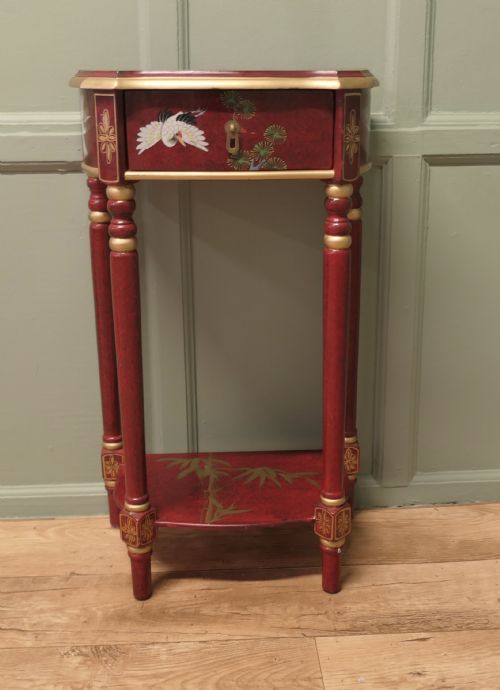
Origins span Japanese Satsuma, Kutani and Arita wares alongside Chinese blue and white, celadon and familleverte styles. Alongside ceramic bodies, you will encounter wooden side tables and standard lamps decorated in crimson or red lacquer.
How they were made
Makers shaped these pieces using porcelain bodies, brass mounts, and lacquered wood, often applying intricate hand-painted pigments before glazing and firing. Ceramic vessels were subsequently drilled and fitted for electricity, sometimes incorporating brass collars or bases to secure the wiring.
Lacquered items rely on layered plant resins built upon wooden structures, then hand-painted with decorative Chinoiserie motifs. Fabric and silk elements complete the upper portions, providing shades that complement the painted surfaces below.
Asian Painted Lamp Retail Price Guide 2026
Typical asking prices for asian painted lamp among the pieces listed under this phrase on Sellingantiques today, from the lower quarter to the upper quarter. They describe what is for sale here now, not the wider market.
Listings span multiple centuries, incorporating 17th-century Japanese vases alongside Edwardian standard lamps and 1930s lacquer tables.
What varies in quality
Quality rests in the precision of the hand-painted brushwork, the depth of the porcelain glaze, and the integrity of the lacquered wooden surface. Superior examples display crisp, detailed pictorial scenes without blurring or fading across the ceramic body.
The method of conversion also dictates standard, as professional mounting preserves the original ceramic vessel without causing structural damage. Matching pairs demonstrate higher uniformity in scale and colour than individual converted pieces.
The Asian Painted Lamp Glossary
- Chinoiserie
- European decorative style reflecting Chinese artistic traditions. Makers applied this aesthetic to standard lamps and side tables using painted lacquer and gilt motifs.
- Satsuma
- Japanese earthenware or porcelain decorated with intricate enamel patterns and gilt highlights. These pieces frequently feature cream-coloured crackle glazes.
- Imari
- Japanese porcelain decorated in underglaze blue and overglaze red, gold and green. Arita kilns produced much of this ware for export.
- Famille Verte
- Chinese porcelain palette dominated by green enamels. The style developed during the Qing dynasty and appears on numerous converted vase lamps.
- Baluster
- Architectural form resembling a vase or pillar with a rounded lower body and slender neck. Many porcelain lamp bodies utilise this specific silhouette.
Asian Painted Lamp: Frequently Asked Questions
Are these lamps converted from old vases?
Many examples are formed from antique ceramic vessels that have been adapted to hold electrical components.
This method allows centuries-old porcelain to function as domestic lighting while retaining its original decorative glaze.
How do I identify Satsuma ware?
Satsuma ceramics typically display a characteristic ivory-coloured crackle glaze combined with detailed enamel painting and gilt work.
Subjects often include figurative scenes, flowers and traditional Japanese landscapes.
What is Chinoiserie decoration?
Chinoiserie is a European interpretation of Chinese art and design popular across various historical periods.
On these standard lamps and tables, it manifests as hand-painted lacquer scenes depicting pavilions, figures and botanical elements.
Can I find matching pairs on this page?
Several listings feature balanced pairs of porcelain vase lamps or standard lamps created in matching styles.
These pairs provide symmetry for placement on sideboards or flanking a living space.