





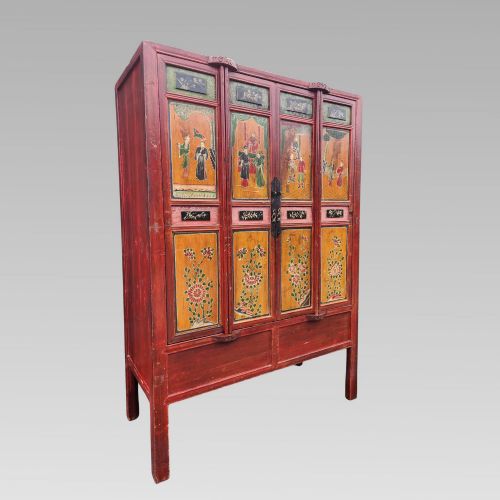


Asian Painted Cabinet
An asian painted cabinet brings vivid colour and intricate narrative detail to an interior through traditional lacquer and hand-painted decoration.
Asian Painted Cabinet
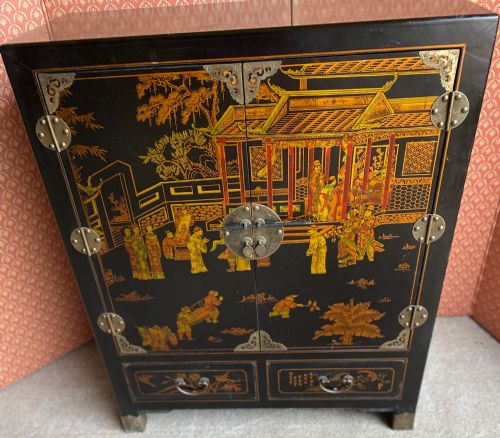
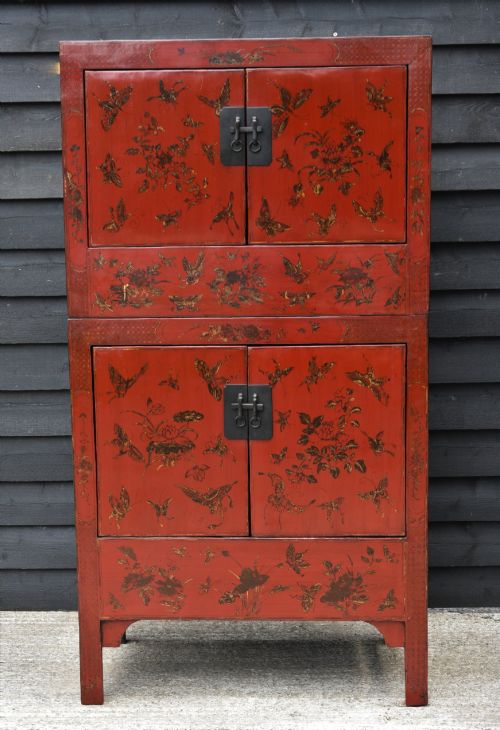
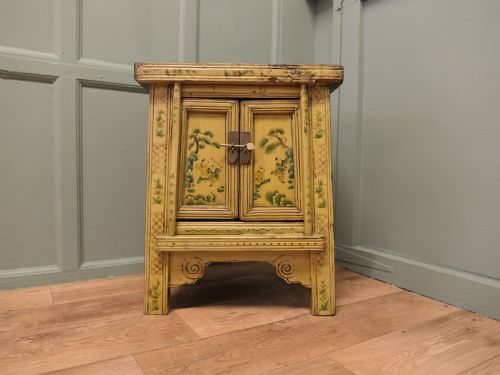
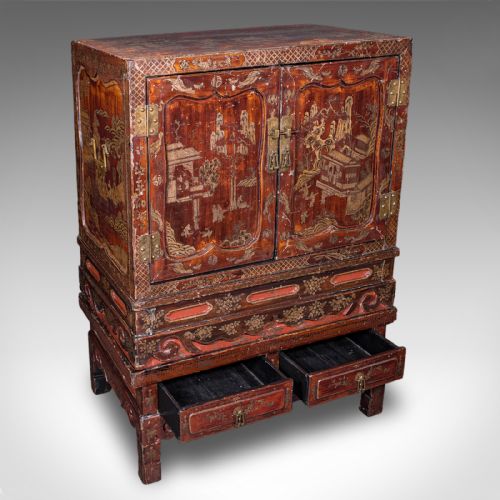
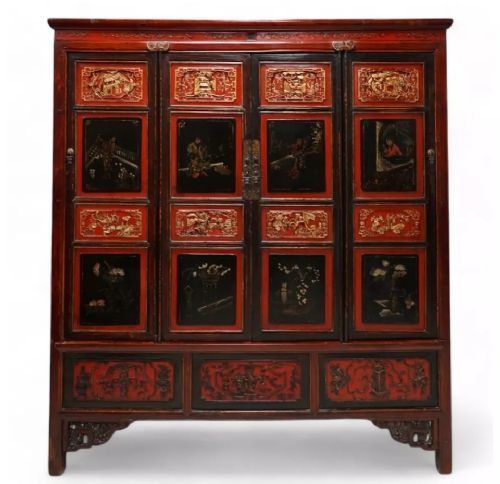
When you search for an asian painted cabinet, you encounter storage furniture primarily originating from Chinese and Japanese traditions dating from the nineteenth and early twentieth centuries. These pieces encompass large marriage and wedding cabinets, smaller side cupboards, and storage chests decorated with distinct cultural motifs.
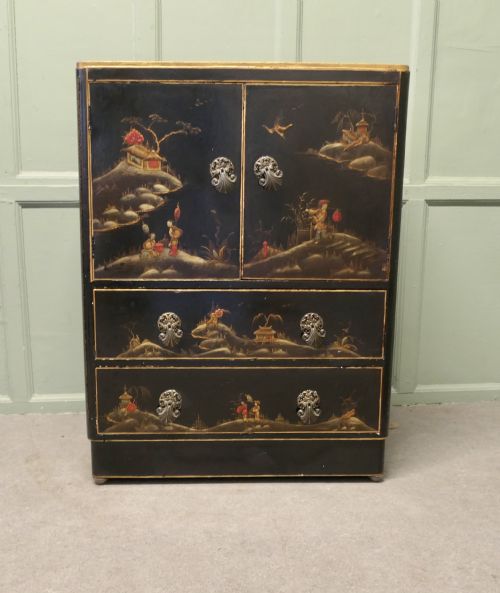
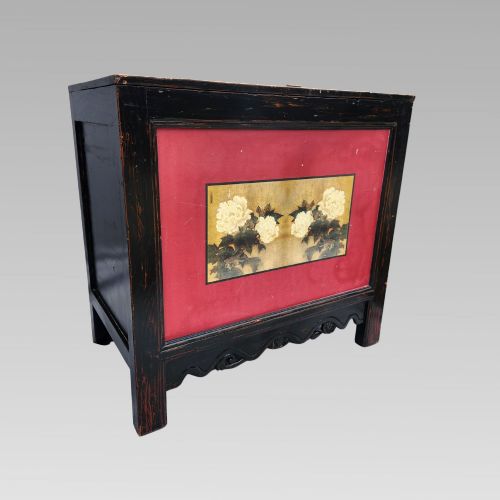
The selection frequently includes red and black lacquer finishes, often enriched with floral patterns, birds, and figural scenes in gold or contrasting pigments. Formats range from floor-standing side cabinets and campaign stands to compact jewellery boxes and low chests.
Stylistic influences span Qing Dynasty aesthetics, Chinoiserie interpretations, and Japanese Meiji period design. Each piece serves both a utilitarian storage function and a bold visual role within a room.
How they were made
Construction relies upon traditional timber framing, utilising native woods such as Chinese elm alongside applied layers of natural lacquer. Artisans built structural carcases to support multiple coats of resin or paint, creating a smooth ground suitable for detailed surface work.
Decoration involved hand painting, gilding with gold leaf, and occasionally incorporating brass hardware for hinges and locks. Enamel and porcelain elements sometimes complemented the woodwork, particularly on smaller decorative accessories and companion items.
Asian Painted Cabinet Retail Price Guide 2026
Typical asking prices for asian painted cabinet among the pieces listed under this phrase on Sellingantiques today, from the lower quarter to the upper quarter. They describe what is for sale here now, not the wider market.
Some miniature boxes hide secret drawers designed to outwit curious family members.
What varies in quality
Quality reveals itself in the depth of the lacquer layers and the precision of the hand-painted brushwork. Superior examples display intricate, well-preserved pictorial scenes with crisp lines and harmonious colour blending across panels.
The integrity of the underlying timber construction and the survival of original surface decoration dictate the overall standard. Pieces retaining their initial stands, brass fittings, and uncompromised pigment show greater fidelity to their period of origin.
Chosei
The Asian Painted Cabinet Glossary
- Chinoiserie
- European artistic interpretation and imitation of Chinese and East Asian artistic traditions. This style heavily influences many decorative cabinets and cupboards found in Western collections.
- Lacquer
- A durable resin finish applied in multiple layers to wood surfaces. It provides a glossy, protective coating that accepts painted decoration and gold leaf.
- Meiji Period
- A period of Japanese history spanning from 1868 to 1912. Items from this era often showcase refined craftsmanship in metalwork, ceramics, and lacquered wood.
- Marriage Cabinet
- A traditional large storage piece historically given to couples upon their wedding. These tall cupboards often feature bright red finishes and symbolic floral or bird motifs.
- Imari
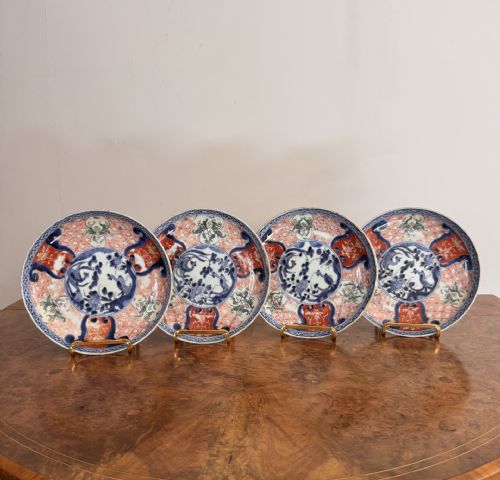
- A traditional style of Japanese porcelain characterised by underglaze blue and overglaze red, gold, and green colours. Plates and chargers in this style frequently accompany cabinet displays.
Asian Painted Cabinet: Frequently Asked Questions
What is an asian painted cabinet used for?
These cabinets provide enclosed shelving and hanging space for everyday storage in living areas or bedrooms. Their decorative exteriors allow them to function as focal points rather than purely utilitarian furniture.
Larger marriage cupboards hold garments and linens, while smaller side cabinets and chests accommodate tableware or smaller personal belongings.
How do I identify a nineteenth-century piece?
Nineteenth-century examples display traditional joinery methods, heavier timber construction, and authentic wear patterns within the lacquer layers. Hand-mixed pigments and natural resin finishes differ visibly from modern synthetic alternatives.
Examining the interior construction, backboards, and fastener types helps confirm the age and geographical origin of the cabinet.
How do I care for a lacquered surface?
Protect the painted finish by keeping the cabinet away from direct sunlight and maintaining stable room humidity. Sudden temperature changes can cause timber movement and stress the delicate lacquer layers.
Dust gently with a dry, soft cloth and avoid chemical cleaning agents or abrasive polishes that might damage the original surface.
What is the difference between Chinese and Japanese pieces?
Chinese pieces often feature bold red or black lacquer marriage cabinets adorned with symbolic floral and bird motifs. Japanese items from the Meiji period frequently showcase meticulous detail in smaller formats like kodansu jewellery boxes.
Stylistic motifs and construction techniques vary between regions, reflecting distinct local artisan traditions and historical periods.