




Asian Lacquered Coffer
An asian lacquered coffer brings deep pigment and striking surface depth into a room, offering both practical storage and centuries of craftsmanship.
Asian Lacquered Coffer
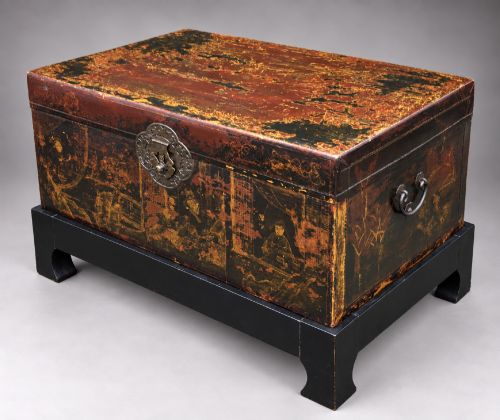
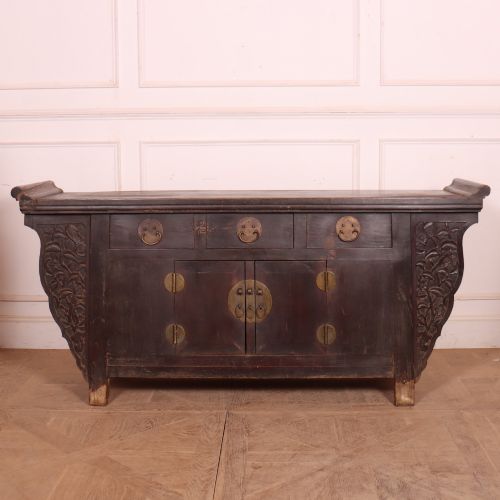
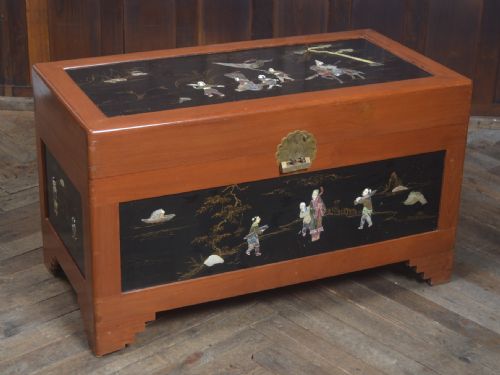
An asian lacquered coffer combines timber construction with layered protective coatings, spanning periods from the seventeenth century through to the early decades of the twentieth. These storage pieces take several forms, including blanket boxes, storage trunks, cabinets on stands, and low sideboards.
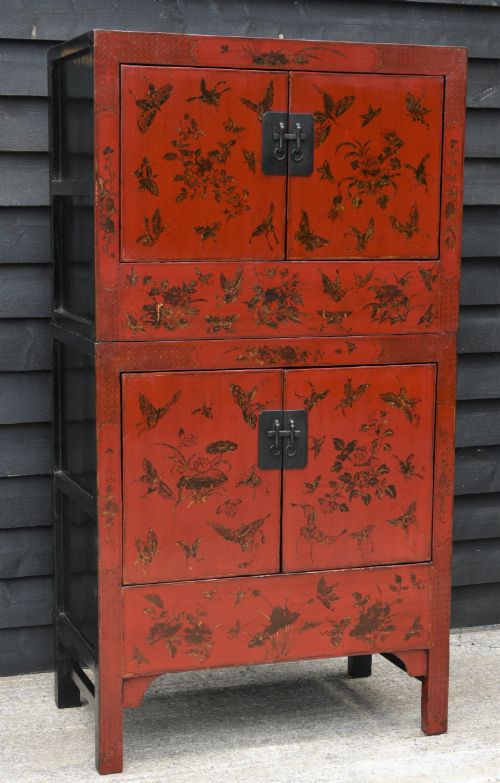
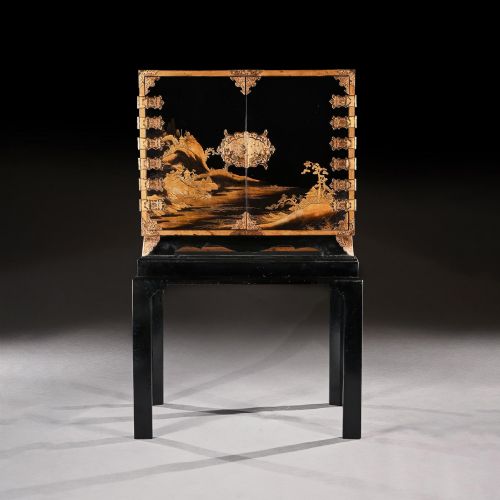
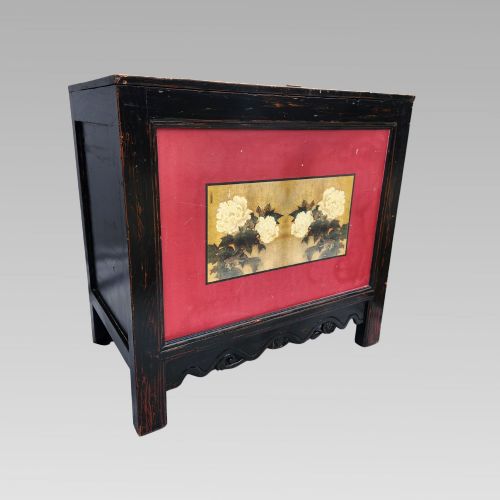
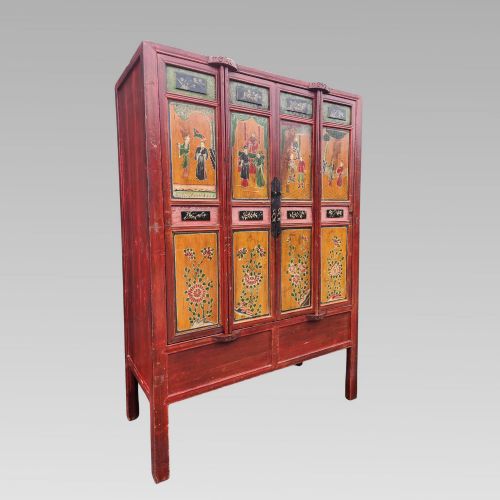
The aesthetic traditions represented span Chinese Qing dynasty pieces and regional workshops, Japanese Edo and Meiji period examples, Korean Joseon style chests, and Indian works. Most examples encountered here showcase either deep black finishes or vibrant red lacquer, frequently paired with contrasting floral or figurative motifs.
Buyers will find that many of these coffers and chests sit upon carved wooden stands, elevating the main storage body from the floor. This structural variety means forms range from low-slung shipping trunks to monumental cupboards and writing desks.
Materials and construction
The foundation of these pieces relies on solid timbers such as elm, camphor wood, and general hardwoods, providing a stable core for the exterior finishes. Artisans applied successive coats of lacquer to seal and protect the wood, building a smooth surface capable of holding intricate pigments and gilt details.
Metalwork played a vital structural and decorative role, with brass and iron hinges, corner brackets, and heavy-duty locking plates securing the lids and doors. Pigments were worked directly into the lacquer layers or painted upon the surface, creating durable panels that withstand decades of use.
The listings span the 17th, 19th, and early 20th centuries, incorporating camphor wood, elm, brass, iron, and gilt pigments.
Assessing quality and finish
The standard of an asian lacquered coffer is judged by the depth of the finish and the complexity of the surface decoration, whether painted floral work or carved relief. Superior examples maintain their original pigment and gilt details with minimal disruption to the protective surface layers.
Structural integrity also separates standard utility trunks from finer pieces, particularly the joinery of the main body and the retention of original brass or iron hardware. Pieces that retain their matching carved wooden stands or original internal fittings demonstrate a higher degree of preservation.
The Asian Lacquered Coffer Glossary
- Edo Period
- A division of Japanese history lasting from 1603 to 1867, noted for the flourishing of fine arts and lacquer craft. Pieces from this era show exceptional refinement in surface decoration.
- Qing Dynasty
- The final imperial dynasty of China, ruling from 1644 until 1912. Furniture from this period often employs rich red lacquer and bold dimensional carving.
- Chinoiserie
- European interpretations and adaptations of traditional Chinese and East Asian artistic traditions. This style became prominent in decorative arts during the seventeenth and eighteenth centuries.
- Tansu
- Traditional Japanese mobile storage chests built primarily from wood with iron fittings. They were designed for versatility and everyday household use.
- Pig Skin
- Animal hide stretched over a wooden trunk frame before lacquering. This technique provided extra durability for travel and shipping.
Asian Lacquered Coffer: Frequently Asked Questions
Can I use a coffer as a coffee table?
Many low chests and blanket boxes adapt well as coffee tables, offering substantial interior storage alongside a flat surface. Ensure the lid construction is robust enough to support everyday items without bowing.
Using a protective glass top helps prevent surface scratches from mugs or decorative objects. This keeps the original finish safe while integrating the piece into a modern seating area.
How do I tell Chinese and Japanese chests apart?
Chinese pieces often feature bold red lacquer, elaborate marriage cabinet designs, and heavy brass corner mounts. Japanese examples frequently utilise black lacquer or natural wood grains with refined metalwork.
Examining the underlying construction methods and stylistic motifs provides further clues to regional origin. Tansu chests, for instance, display a distinct utilitarian framework unique to Japanese woodworking traditions.
What is the purpose of a stand?
Stands elevate larger trunks and cabinets off the damp floor, protecting the base timbers from moisture and pests. They also improve the visual balance of tall storage units in a domestic setting.
Many stands feature carved aprons and legs that complement the decorative scheme of the main body. Finding a piece retaining its original matching stand is a significant bonus for collectors.