

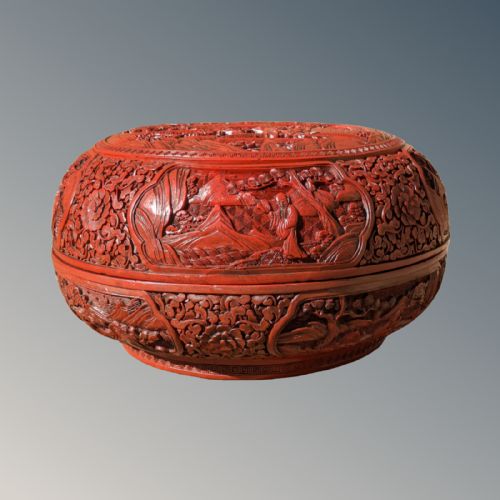


Asian Lacquered Box
An asian lacquered box brings tactile warmth and intricate detail into a room, holding small treasures or standing bold as a storage chest.
Asian Lacquered Box
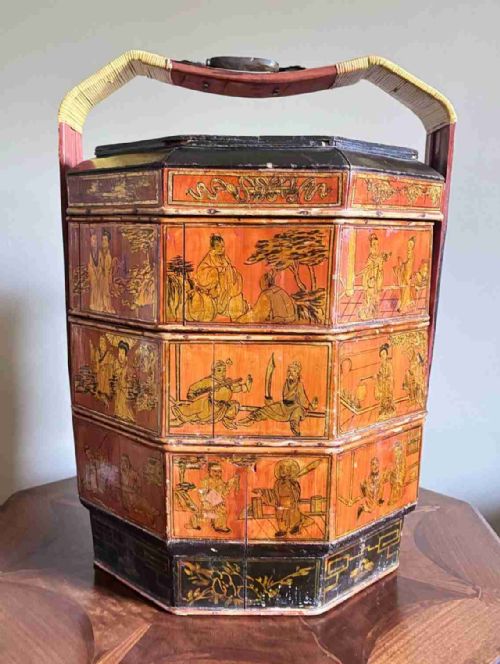
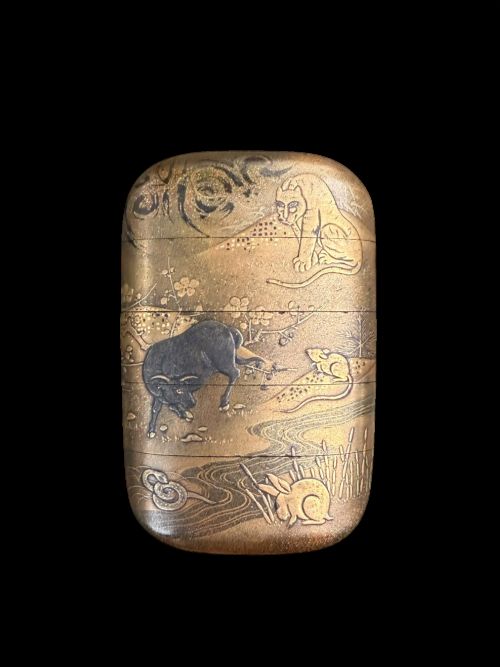
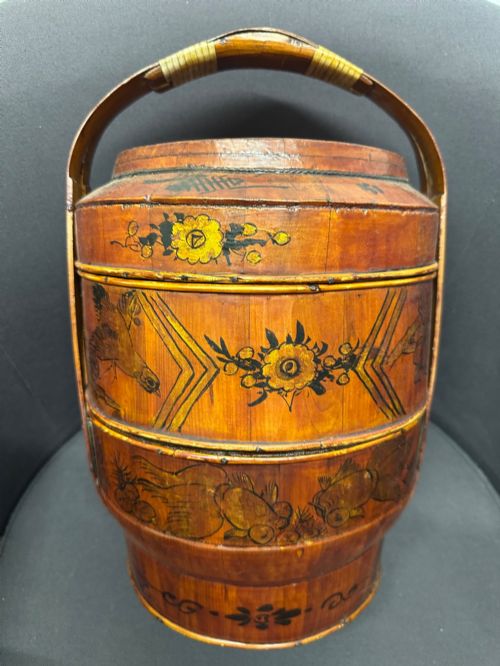
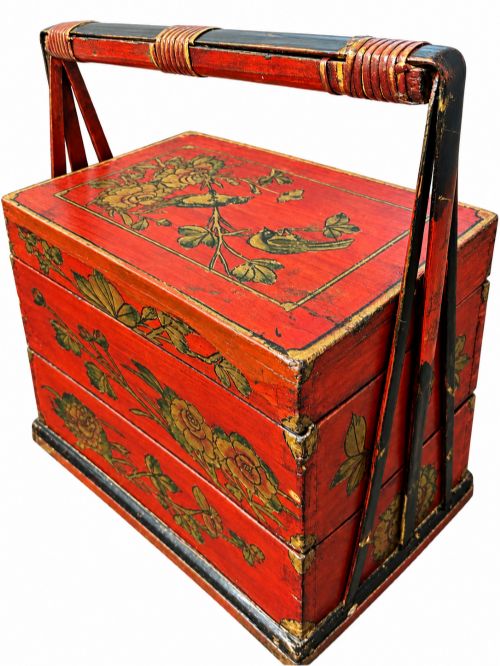
When you search for an asian lacquered box, you encounter everything from small keepsake cases and inro to large marriage chests, wedding baskets and blanket boxes. The selections span the nineteenth and early twentieth centuries, originating from Chinese and Japanese workshops alongside Indian export examples.
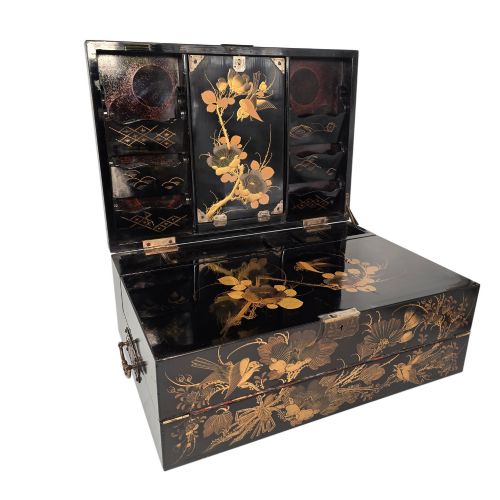
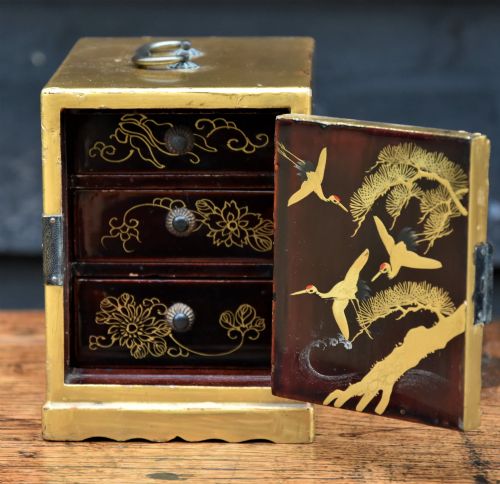
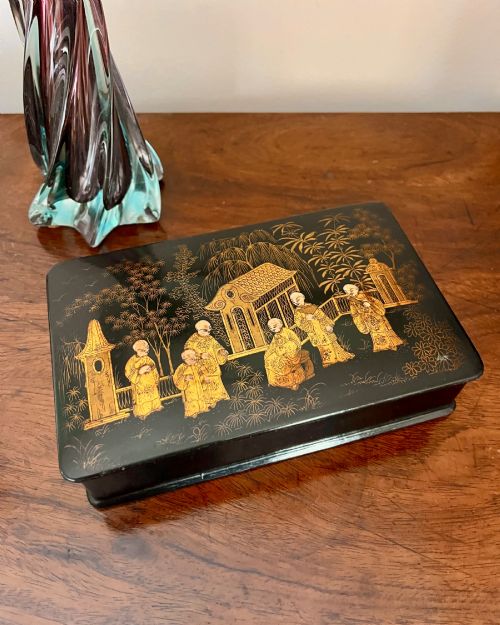
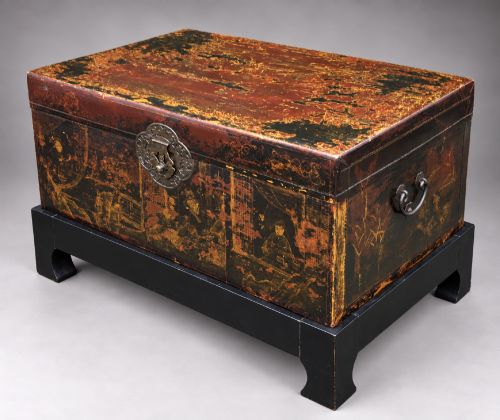
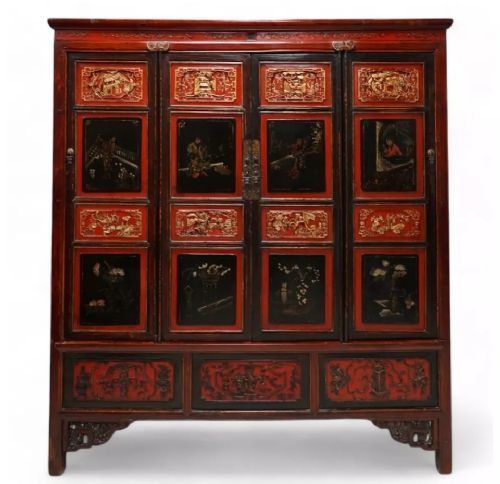
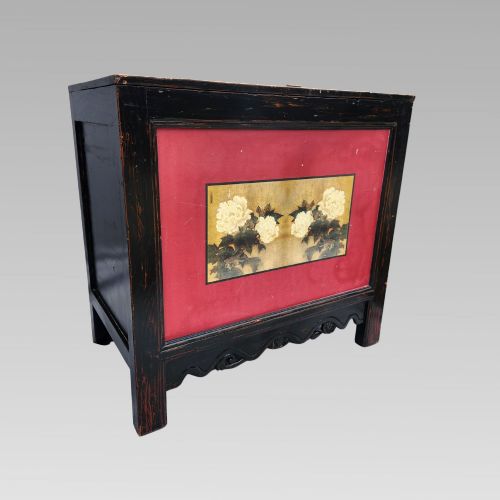
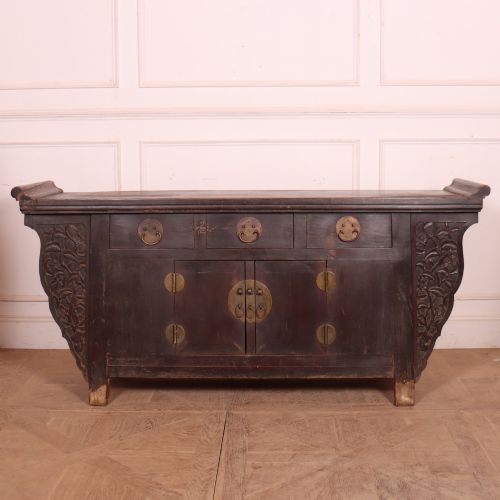
The version you meet most often on this page is a nineteenth-century table cabinet, jewellery box or storage trunk finished in black or red lacquer, frequently decorated with floral chinoiserie or gilt landscapes. These pieces range from compact tabletop kodansu cabinets to substantial floor-standing chests.
Materials and Construction
Makers built these pieces primarily using wood cores such as camphor, elm or bamboo, often incorporating pig skin or metal reinforcement on heavy trunks. The structural carcass received multiple coats of lacquer to seal the material and create a smooth foundation.
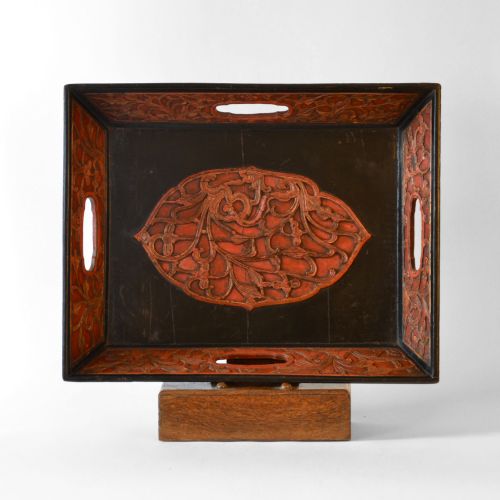
Surface ornamentation relied on gold leaf application, hand-painted pigments and intricate carved lacquer techniques such as tsuikoku and cinnabar layering. Brass hardware, hinges and locks provided functional contrast to the glossy dark or crimson finishes.
Asian Lacquered Box Retail Price Guide 2026
Typical asking prices for asian lacquered box among the pieces listed under this phrase on Sellingantiques today, from the lower quarter to the upper quarter. They describe what is for sale here now, not the wider market.
Several heavy chests incorporate genuine pig skin over their wooden frames, prepared centuries ago to survive long journeys across land and sea.
Craftsmanship and Depth
The distinction between ordinary utility items and exceptional pieces rests in the depth of the lacquer layers and the precision of the hand-carved or painted detail. Superior examples display crisp definition in figurative scenes and securely adhered gold leaf that resists flaking.
Structural integrity also separates the range, where boxes retaining original brass hardware, stable wood joins and intact interiors command greater attention than those with extensive surface re-working or replacement fittings.
The Asian Lacquered Box Glossary
- Lacquer
- A durable glossy finish applied in numerous coats to wood or bamboo bases. It hardens into a moisture-resistant surface that accepts carving and painting.
- Inro
- A traditional Japanese small multi-tiered case suspended from a sash. These portable compartments held medicines or seals.
- Kodansu
- A miniature Japanese table cabinet featuring small drawers and doors. They served to store precious documents and personal ornaments.
- Cinnabar
- A carved lacquer technique utilising thick layers of red pigment. Carvers cut deep patterns into the hardened material to reveal rich relief designs.
- Chinoiserie
- European artistic interpretation of Chinese and East Asian motifs. This style appears frequently on nineteenth-century storage chests and decorative boxes.
- Tansu
- A traditional Japanese mobile storage chest built from wood with metal mounts. These pieces combined utility with refined craftsmanship.
Asian Lacquered Box: Frequently Asked Questions
What were lacquered boxes used for?
These containers served multiple domestic and ceremonial purposes, ranging from everyday storage of jewellery and documents to transporting wedding gifts and food.
Larger trunks held garments and household linens, while smaller compartmentalised boxes protected personal seals, medicines and precious keepsakes.
How do I care for an antique lacquered box?
Keep the piece away from direct sunlight and extreme humidity fluctuations to prevent the wood base from expanding and the lacquer from cracking.
Dust gently with a dry, soft cloth and avoid chemical polishes or abrasive cleaners that can damage the delicate surface finish.
How do I distinguish Chinese from Japanese pieces?
Chinese boxes often feature rich red cinnabar carvings, floral chinoiserie motifs, or painted bamboo and elm structures reflecting domestic traditions.
Japanese examples frequently display black lacquer finishes with gold leaf landscapes, intricate inro constructions, or the distinctive hardware of tansu cabinets.
What is the difference between a box and a kodansu?
A standard box provides a single open compartment or a lidded space for general storage of keepsakes and textiles.
A kodansu is a miniature table cabinet containing multiple internal drawers and small doors, functioning as an elaborate desk accessory for valued personal items.