
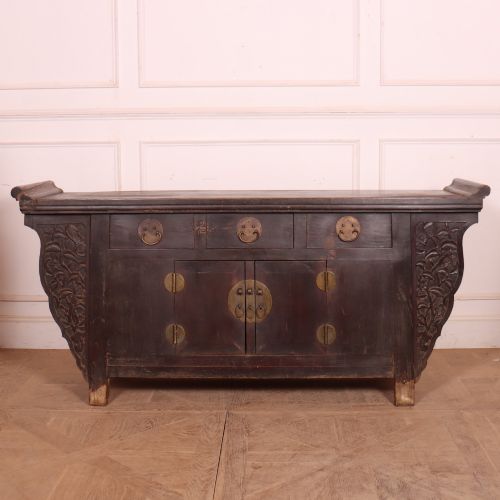


Asian Lacquer Table Cabinet
An asian lacquer table cabinet brings intricate surface work and compact storage into a room, offering both decorative presence and practical utility.
Asian Lacquer Table Cabinet
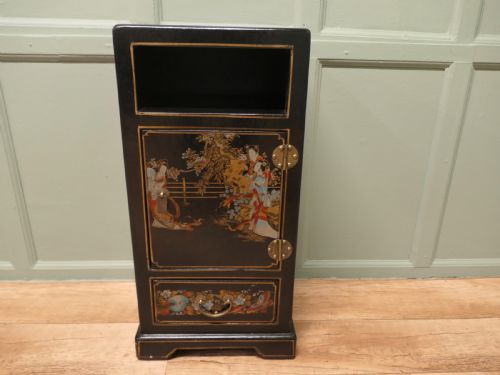
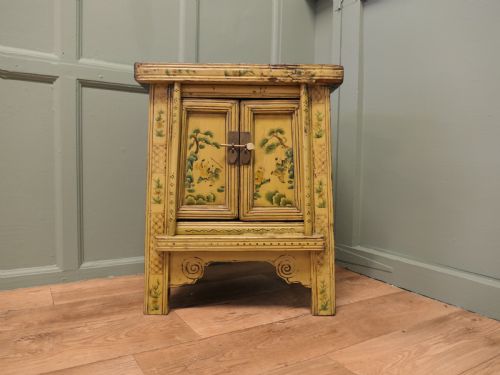
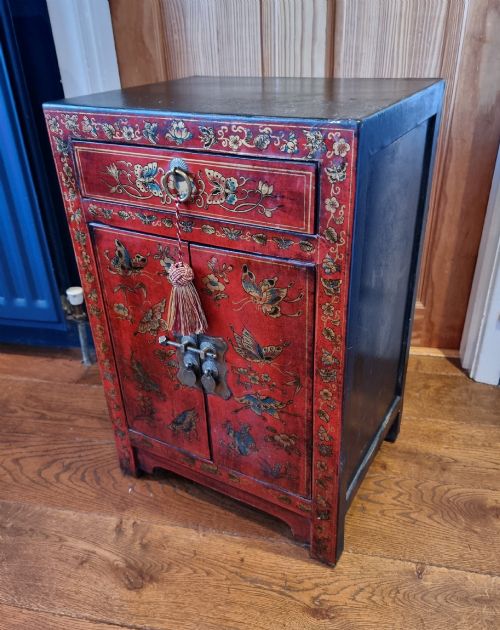
Most examples originate from nineteenth and early twentieth century traditions, drawing on Chinese and Japanese aesthetics. Pieces range from black lacquered table cabinets to brightly painted Chinoiserie side cupboards and red or cinnabar variants.
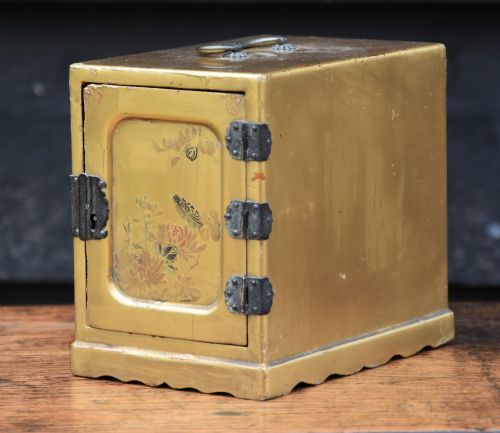
Forms include traditional Japanese kodansu jewellery boxes alongside Chinese elm side cabinets and bedside lamp cabinets. Buyers will find both traditional Oriental motifs and Western adaptations from the early decades of the twentieth century.
How they were made
Construction relies upon traditional timber frames, utilising woods such as elm and general lacquered wood as a stable substrate. Artisans applied successive layers of lacquer to build a smooth, durable surface before ornamentation.
Decoration frequently incorporates gold leaf details, painted scenes, and brass hardware such as hinges and lock plates. Cinnabar lacquer techniques involve carving deep red layers to reveal intricate relief patterns.
What varies in quality
Quality rests upon the depth and preservation of the lacquered surface, together with the crispness of any painted or gilded decoration. Finer examples display meticulous brushwork and intact metal mounts that complement the timber structure.
The integrity of the underlying wood and joinery dictates the longevity of each cabinet. Pieces exhibiting stable construction without excessive surface degradation command greater appreciation among collectors.
The Asian Lacquer Table Cabinet Glossary
- Lacquer
- A durable finish applied in multiple coats to wood, derived from natural tree sap or synthetic resins. It hardens into a smooth, glossy protective layer.
- Kodansu
- A traditional Japanese small cabinet or chest with multiple internal drawers, often used for storing documents, seals, or personal valuables.
- Cinnabar
- A bright scarlet mineral form of mercurial sulphide used to create carved red lacquerware. Artisans carved deep relief designs into thick layers of this red material.
- Elm
- A strong, durable hardwood frequently utilised in traditional Chinese furniture making. Its distinct grain pattern provides a robust structural base for lacquer finishes.
Asian Lacquer Table Cabinet: Frequently Asked Questions
What is an asian lacquer table cabinet used for?
These small cabinets provide practical surface storage for jewellery, documents, or small household items while adding a strong decorative accent to a room.
Historically, they sat upon desks, tables, or chests to keep personal treasures organised and protected within easy reach.
How do I care for lacquer furniture?
Keep lacquer pieces away from direct sunlight and extreme temperature fluctuations to prevent the surface from drying out or cracking over time.
Dust gently with a soft, dry cloth and avoid harsh chemical cleaners or abrasive polishes that can damage the delicate finish.
How do I tell Chinese and Japanese pieces apart?
Japanese pieces often include specific forms like the kodansu with internal drawer arrangements and distinct metal fittings. Chinese items frequently utilise elm frames with painted Chinoiserie decoration or carved cinnabar surfaces.
Examining the motifs, hardware styles, and underlying timber structures helps clarify the regional origins.
Are these cabinets meant to sit on the floor?
Table cabinets and bedside lamp cabinets are specifically proportioned to rest on top of larger furniture pieces or dedicated surfaces rather than standing directly on the floor.
Their compact dimensions make them suitable for tabletops, sideboards, or bedside tables where they can be viewed closely.