

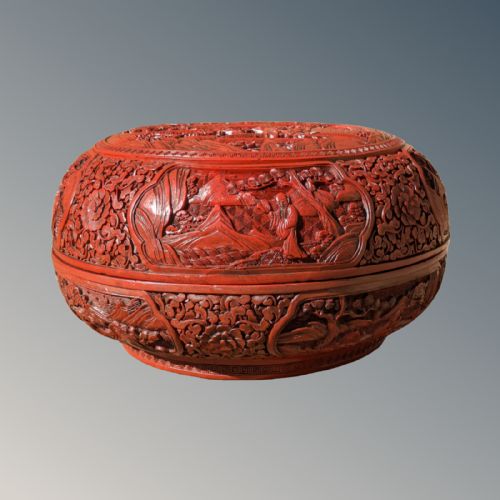


Asian Lacquer Box
An asian lacquer box brings centuries of refined surface craft into a room, offering tactile storage shaped by Chinese, Japanese, and Indian traditions.
Asian Lacquer Box
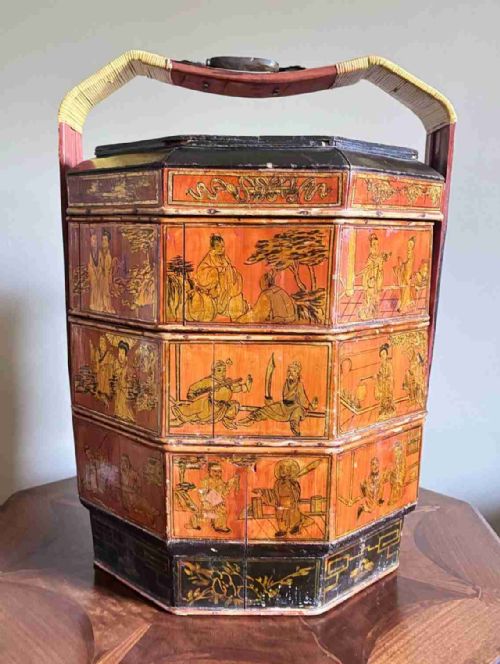
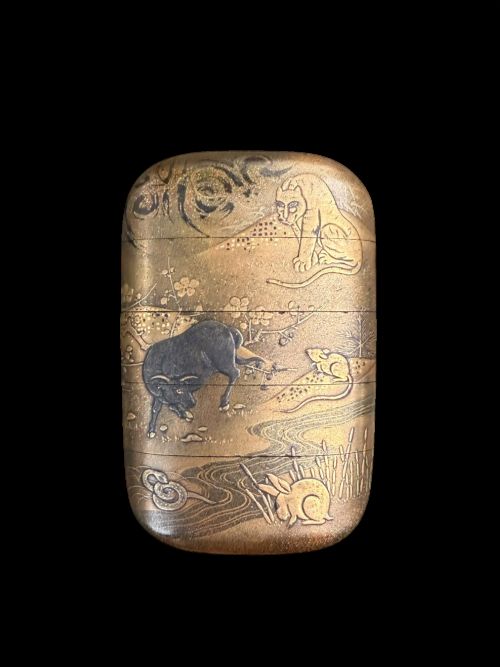
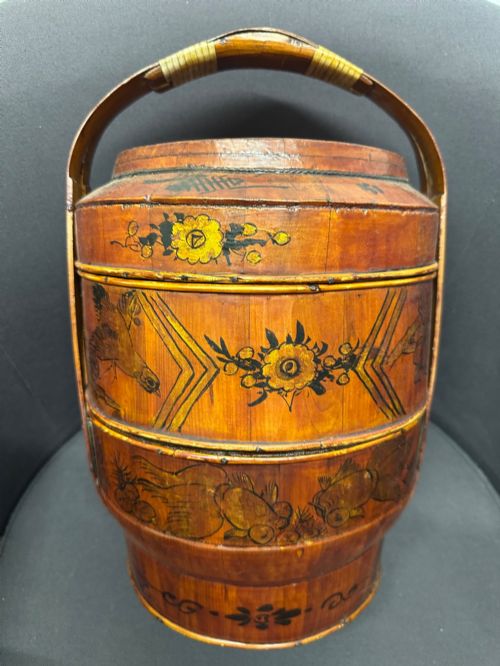
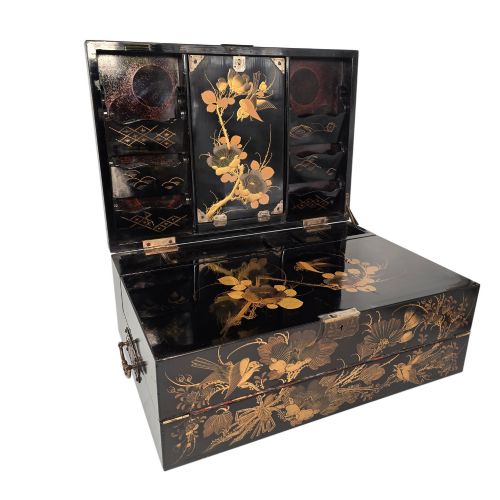
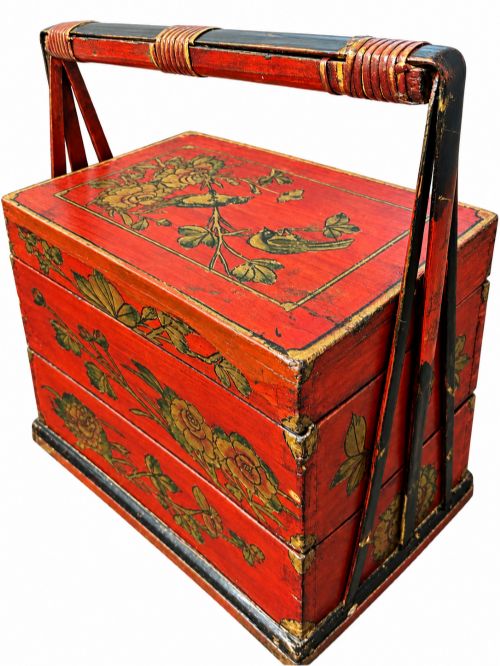
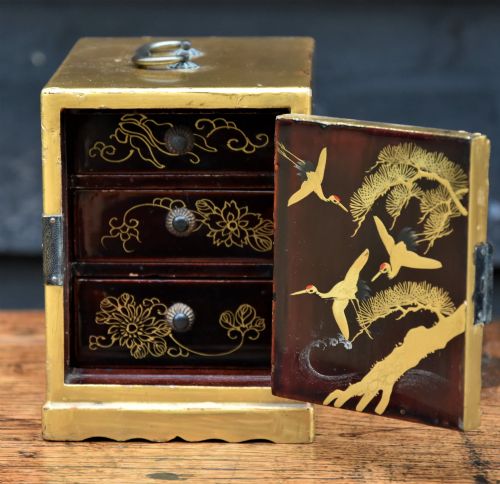
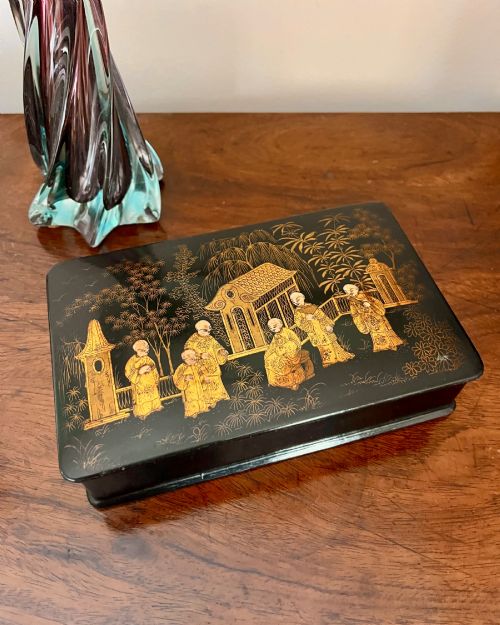
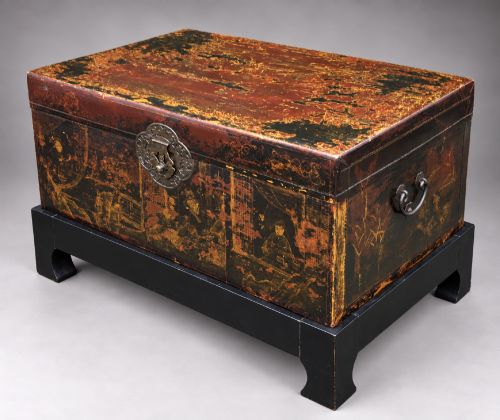
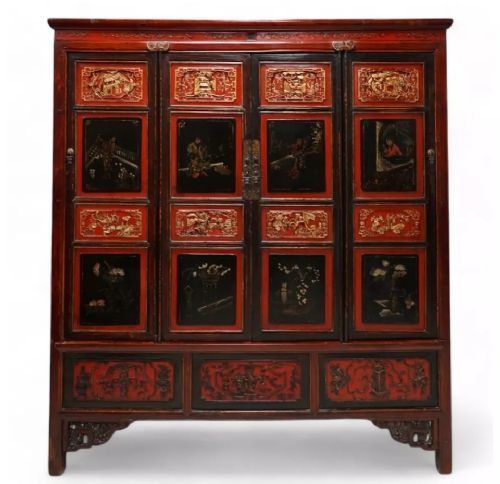
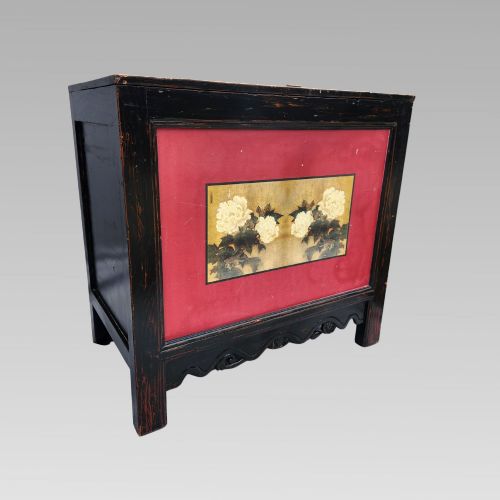
An asian lacquer box encompasses a broad range of forms, from small tabletop cabinets and jewellery cases to larger wedding chests and inro.
Pieces span several periods, with the nineteenth century heavily represented alongside examples from the early twentieth century and eighteenth century.
Origins divide principally between Chinese and Japanese workshops, with occasional Indian interpretations appearing in regional collections.
Materials and construction
Constructed from wood, camphor wood, or bamboo, these pieces receive multiple coats of lacquer to build a deep, protective skin.
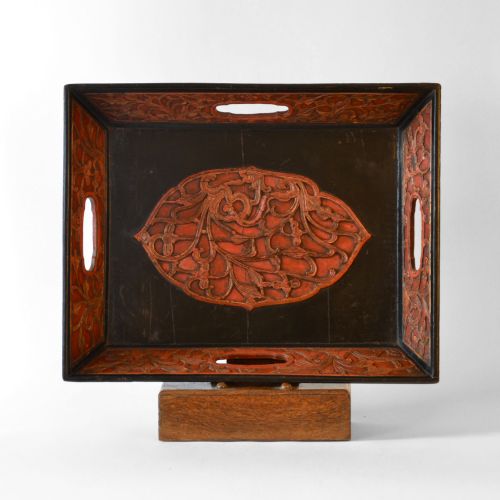
Decoration frequently incorporates gold leaf, gilt, and carved cinnabar lacquer, revealing meticulous hand application and carving techniques.
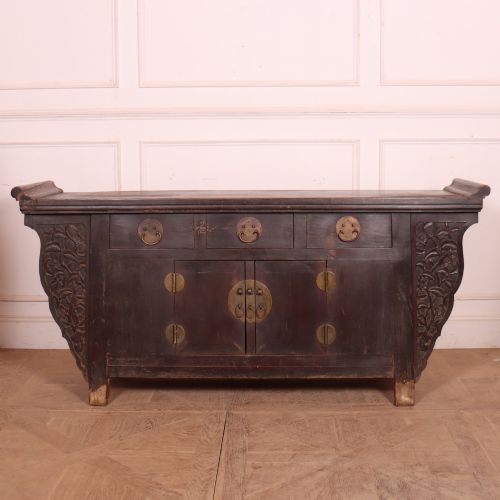
Hardware in brass frequently secures corners and hinged lids, adding structural support and contrast to the dark or red lacquer surfaces.
Asian Lacquer Box Retail Price Guide 2026
Typical asking prices for asian lacquer box among the pieces listed under this phrase on Sellingantiques today, from the lower quarter to the upper quarter. They describe what is for sale here now, not the wider market.
Standards of execution
Quality rests on the depth and stability of the lacquer layers and the crispness of any carved relief work, such as cinnabar motifs.
The precision of painted or gilded details distinguishes standard utility items from pieces created with exceptional artistic ambition.
The Asian Lacquer Box Glossary
- Inro
- A small traditional Japanese multi-tiered case used for carrying small items, suspended from a sash.
- Kodansu
- A small Japanese tabletop cabinet featuring multiple internal drawers and compartments.
- Cinnabar lacquer
- A technique involving numerous layers of red lacquer carved deeply with intricate figural or floral designs.
- Chinoiserie
- European decorative style reflecting Chinese artistic influences, seen on various trunk and box surfaces.
- Meiji Period
- A Japanese historical era lasting from eighteen sixty-eight to nineteen twelve, known for exceptional metal and lacquer work.
Asian Lacquer Box: Frequently Asked Questions
What is an asian lacquer box used for?
These vessels served diverse practical purposes in historical households, holding documents, jewellery, cosmetics, or food provisions.
Today, they function as striking decorative storage containers for small personal items on sideboards or dressing tables.
How do I care for lacquer surfaces?
Lacquer requires gentle handling to preserve its finish, avoiding direct sunlight and excessive humidity fluctuations.
Dusting with a soft, dry cloth is sufficient for routine maintenance without the need for chemical polishes.
How are Chinese and Japanese boxes told apart?
Japanese examples frequently display refined gilt painting or intricate inro structures associated with the Edo and Meiji periods.
Chinese pieces often showcase deep carved cinnabar or bold red and black finishes tied to Qing Dynasty traditions.
What woods lie beneath the lacquer?
Many trunks and chests utilise stable timbers like camphor wood or general hardwoods to provide a sturdy structural foundation.
These foundational woods help prevent warping underneath the heavy layers of applied natural resin.