



Asian Hardwood Cupboard
An asian hardwood cupboard brings solid timber and enduring storage to a room, offering practical utility with distinctive regional craftsmanship.
Asian Hardwood Cupboard
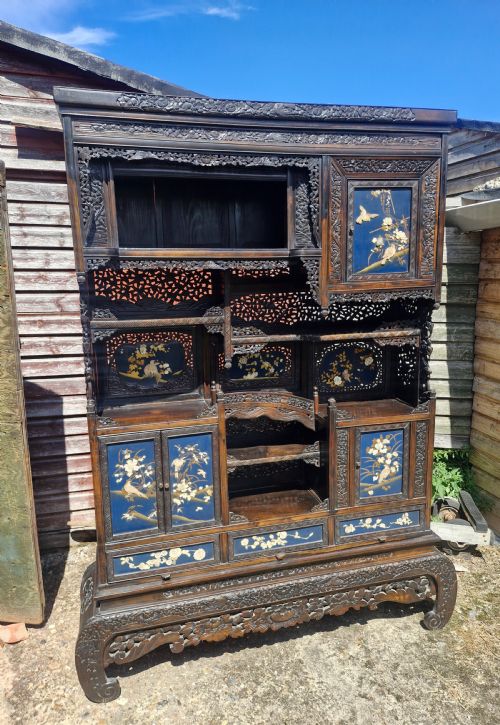
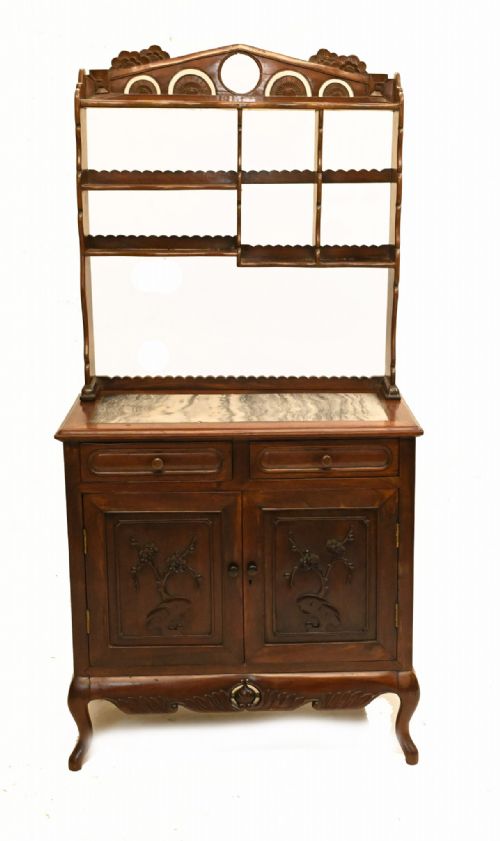
An asian hardwood cupboard encompasses storage furniture created in various Eastern traditions, spanning floor cabinets, dressers, and compact tabletop pieces. Buyers seeking this phrase encounter sturdy storage solutions ranging from large display cabinets to smaller bedside lamp cupboards.
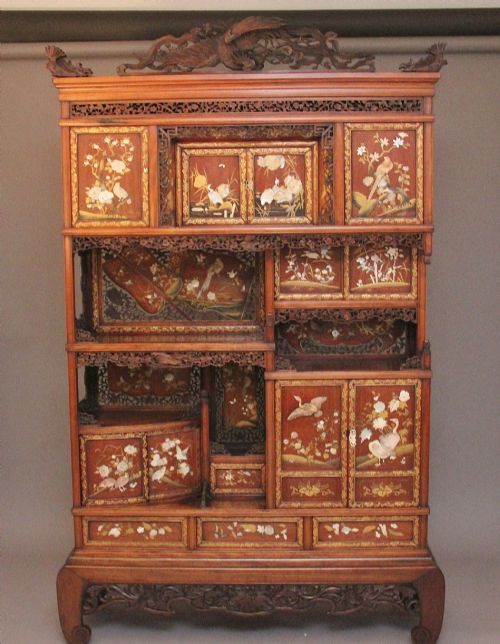
The pieces on this page heavily feature traditional Chinese and Japanese designs, including Qing Dynasty storage units and Meiji period shodana display cabinets. Elm, teak, and zitan provide the structural timber for these functional items.
Forms vary widely from tall compound cabinets and carved sideboards to specimen chests with multiple drawers. Each item reflects the specific regional joinery and aesthetic of its period of origin.
Materials and construction
Craftsmen built these cupboards using dense regional timbers such as elm, teak, and zitan, ensuring robust construction designed to last for generations. Hardwood frames support complex storage layouts featuring numerous drawers and glazed display sections.
Surface treatments often incorporate lacquer, brass mounts, and delicate bone inlay or mother-of-pearl detailing to enhance the visual appeal of the timber. Skilled carvers added intricate motifs like dragons and bronze animal decorations directly into the hardwood structure.
Asian Hardwood Cupboard Retail Price Guide 2026
Typical asking prices for asian hardwood cupboard among the pieces listed under this phrase on Sellingantiques today, from the lower quarter to the upper quarter. They describe what is for sale here now, not the wider market.
Listings feature 19th Century, Victorian, and early 20th Century periods alongside materials like brass, lacquer, bone inlay, and mother-of-pearl.
Quality differences in these pieces
Superior examples display precise joinery and well-preserved surface decoration, such as intricate carving or intact lacquer and mother-of-pearl inlays. The crispness of the carved motifs and the stability of the hardwood frame distinguish finer items from simpler utilitarian versions.
Original hardware, including brass fixtures and bronze animal decorations, contributes to the integrity of a piece. Well-executed construction ensures doors and drawers operate smoothly despite the natural movement of aged timber.
The Asian Hardwood Cupboard Glossary
- Shodana
- A traditional Japanese display cabinet featuring asymmetrical shelving and small cupboards, commonly produced during the Meiji period. These units were designed for displaying small art objects and curiosities.
- Zitan
- A dense, heavy hardwood prized in Chinese furniture making for its dark colour and fine grain. It takes a high polish and allows for extremely crisp carving.
- Lacquer
- A durable natural resin applied in multiple layers to wood surfaces to create a smooth, protective, and decorative finish. It frequently appears in polished black or red tones on Asian cabinetry.
- Elm
- A resilient hardwood utilised extensively in traditional Chinese cabinet making for structural frames and panels. Its distinct grain pattern accepts various finishes effectively.
- Compound cabinet
- A traditional Chinese storage form, often comprising stacked sections that together create a tall wardrobe or cupboard. These pieces utilise sophisticated frame and panel construction.
Asian Hardwood Cupboard: Frequently Asked Questions
How do I clean an asian hardwood cupboard?
Dust the surface regularly with a soft, dry cloth to prevent dirt accumulation on the timber and carved details. Avoid chemical sprays or excess moisture, particularly on lacquered or inlaid surfaces.
Apply a microcrystalline wax occasionally if the hardwood appears dry, buffing it gently to maintain the natural sheen of the wood.
Where should I place a tabletop cabinet?
Position a tabletop cabinet on a stable surface such as a heavy sideboard, chest of drawers, or sturdy desk where it can be viewed at eye level. Ensure the placement area avoids direct sunlight and heat sources to protect the wood and lacquer.
These smaller pieces work well in living rooms or studies for organising documents, small collections, or stationery.
What is a shodana cabinet?
A shodana is a Japanese display cabinet featuring stepped shelves, small sliding doors, and compartments designed for ornamental items. Originating during the Meiji period, these cabinets showcase refined woodworking and decorative arts.
They serve as focal points in a room for displaying ceramics, bronzes, or other cabinet-sized collectibles.
How can I identify a Qing Dynasty piece?
Look for traditional Chinese architectural forms, robust hardwood construction, and characteristic joinery methods that do not rely on metal nails. Carved motifs often include dragons, floral patterns, or auspicious symbols typical of the period.
Examination of the timber's patina and wear patterns inside the drawers or lower compartments can also help indicate nineteenth-century production.