

Asian Embroidered Wall Art
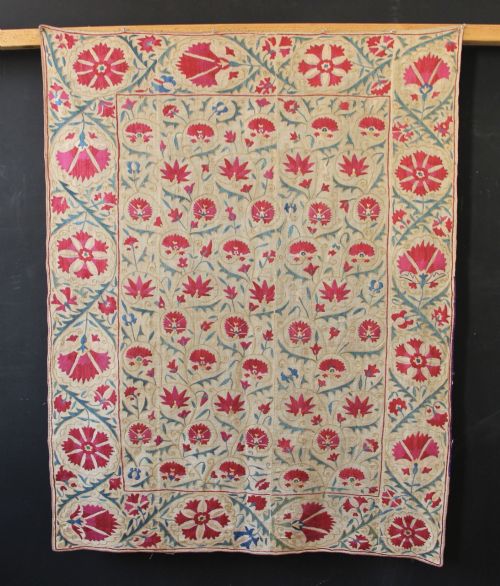
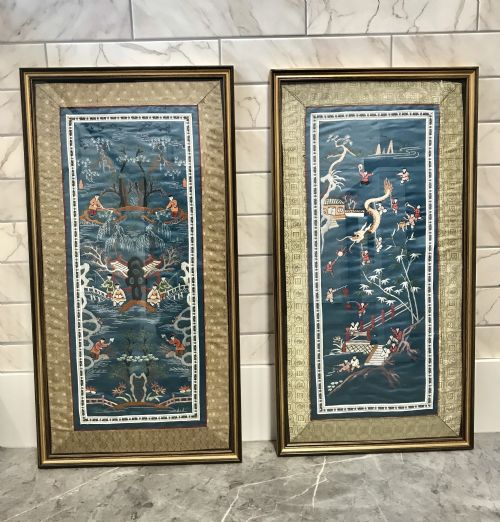
Asian embroidered wall art brings together intricate historical textiles, featuring Central Asian suzanis, tribal panels, and framed Chinese silk art designed for interior display.
Asian Embroidered Wall Art
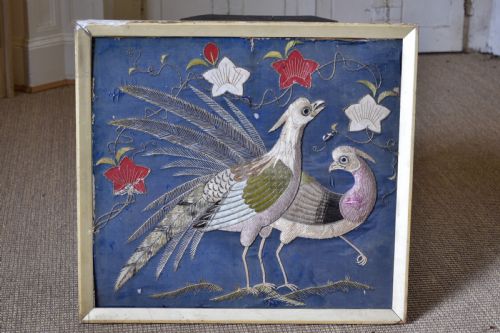
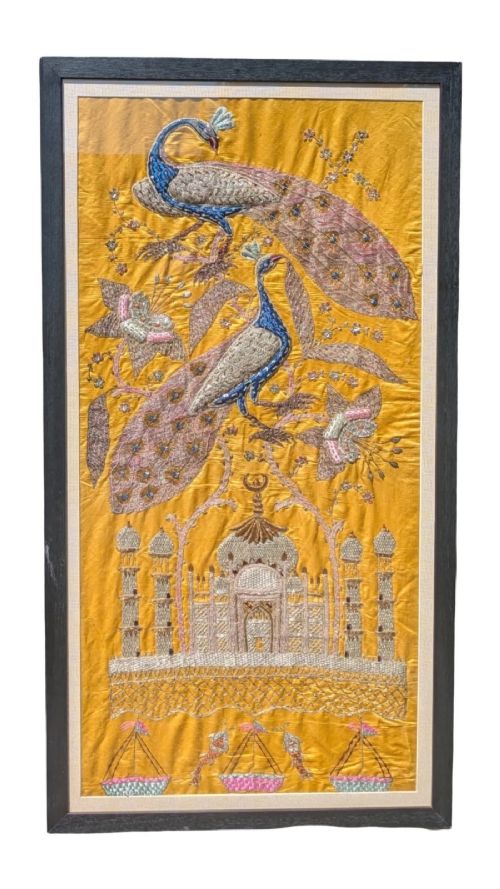
When searching for Asian embroidered wall art, buyers encounter a diverse selection of historical textiles originating primarily from Central Asia, China, India, and Japan. These pieces encompass framed panels, wall hangings, and ceremonial items adapted for interior display, with Central Asian suzanis and tribal works appearing frequently.
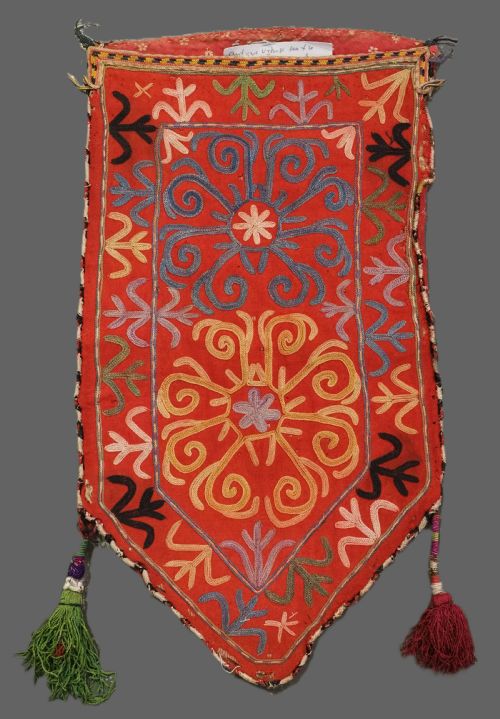
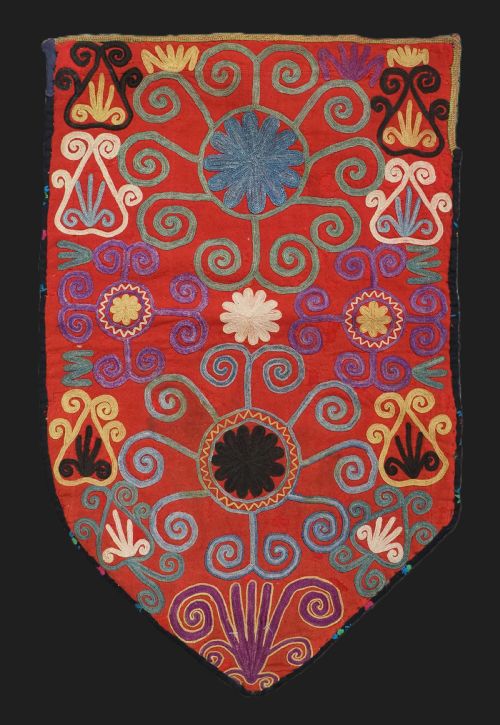
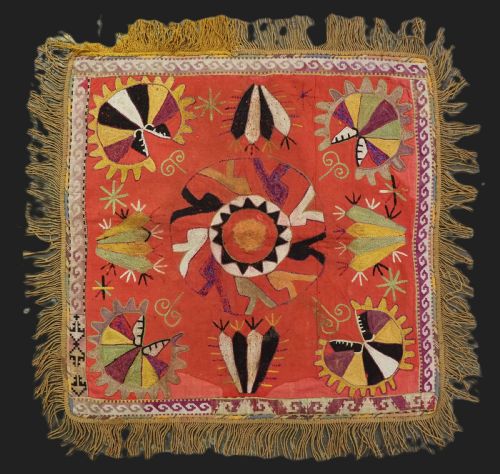
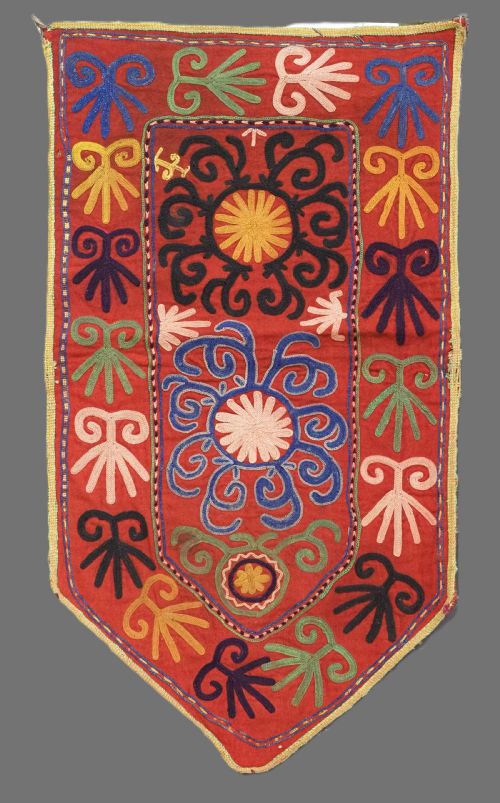
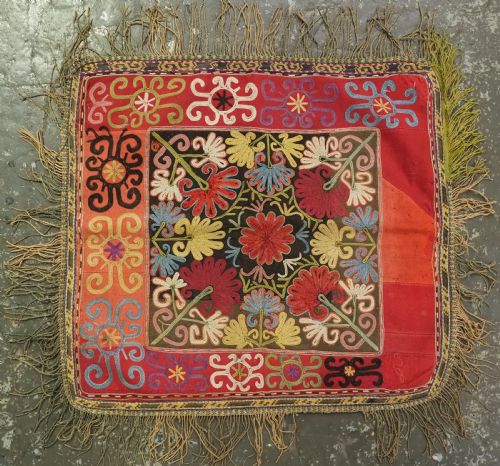
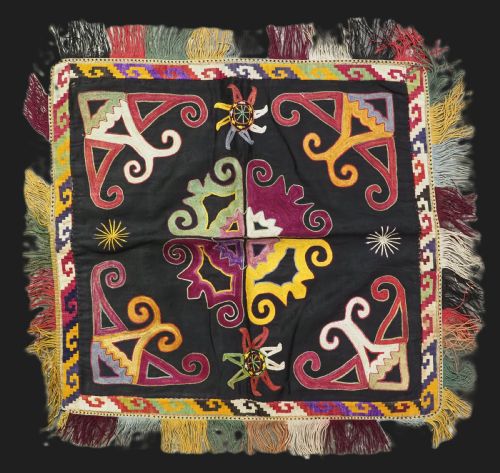
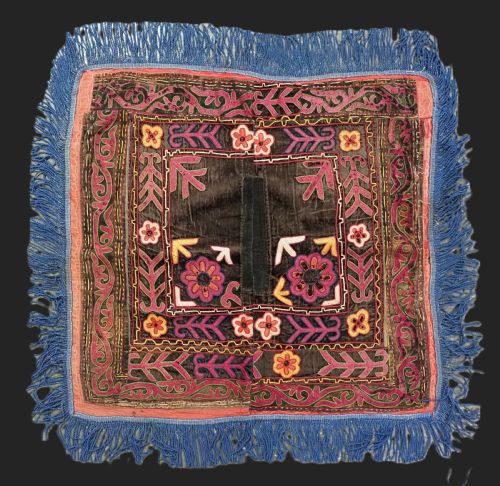
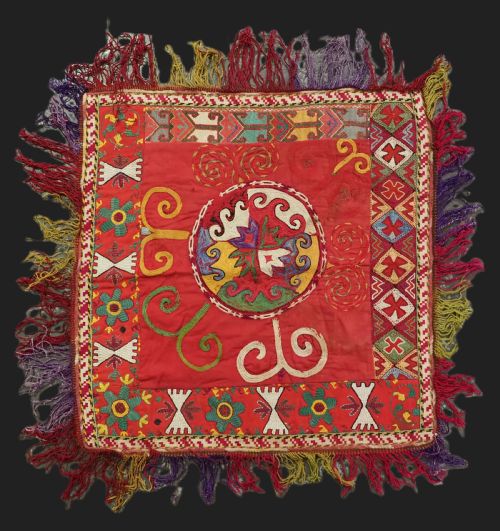
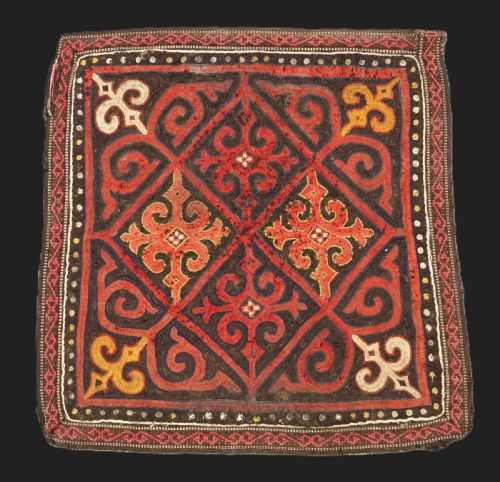
The inventory includes specialised forms such as Uzbek Lakai tribe dowry embroideries, Kyrgyz felt panels, and Turkmen torbas alongside Chinese silk art and Indian velvet hangings. Many items served functional or ceremonial roles within their original cultures, including yurt wall decorations, bed furnishings, and horse covers, before transitioning into decorative wall art.
Originating from periods spanning the mid-nineteenth century through the early twentieth century, these textiles reflect distinct regional styles ranging from Central Asian folk art and tribal traditions to Qing Dynasty aesthetics and Chinoiserie influences.
How They Were Made
The construction of these textiles relies heavily on a foundation of silk, cotton, or wool grounds, often worked with vibrant silk threads and occasionally metallic threads. Artisans utilised hand-sewing techniques to build dense floral, animal, and geometric patterns, sometimes incorporating materials such as velvet, glass, and sequins.
Support structures vary according to the piece, with certain textiles mounted under glass or stretched onto wooden frames for preservation and display. Ground fabrics also display regional preferences, including red or black cotton foundations and traditional felt panels.
Several pieces began their working lives as ceremonial horse covers and yurt furnishings before finding retirement on living room walls.
What Varies in Quality
Quality in these textiles depends significantly on the density and execution of the needlework, distinguishing fully embroidered 'full work' panels from simpler designs. The complexity of the composition, such as intricate floral motifs or figurative depictions of dragons and tigers, contributes to a piece's visual depth.
The vibrancy and preservation of the original colour palette also dictate the standing of a textile, alongside the structural integrity of the fabric ground and the survival of delicate elements like silk highlights and sequins.
The Asian Embroidered Wall Art Glossary
- Suzani
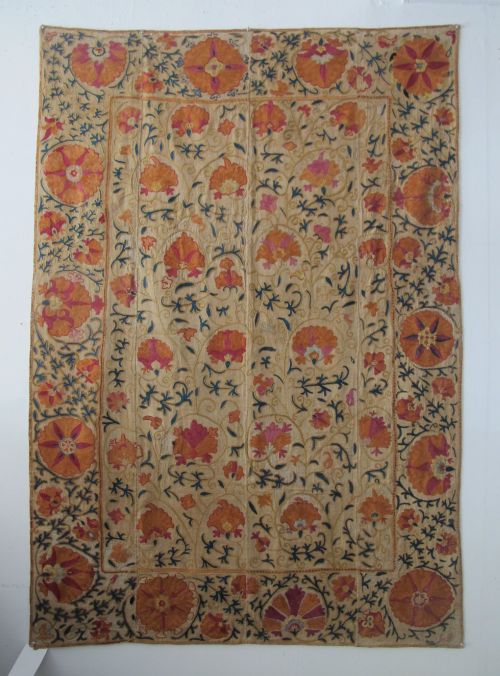
- An embroidered tribal textile from Central Asia, traditionally made as part of a bride's dowry and featuring bold floral or geometric designs on a cotton or silk ground.
- Ilgich
- A specific type of hanging embroidery produced by Central Asian tribes, often utilised for domestic decoration.
- Torba
- A small ceremonial bag or wall hanging originating from Turkmen tribes, characterised by detailed face work and textile highlights.
- Chyrpy
- A traditional ladies ceremonial coat from Central Asia featuring dense silk embroidery, frequently repurposed as display art.
- Palak
- A fully embroidered Tashkent suzanis variety known for its extensive coverage and dramatic visual impact.
Asian Embroidered Wall Art: Frequently Asked Questions
What is a suzani wall hanging?
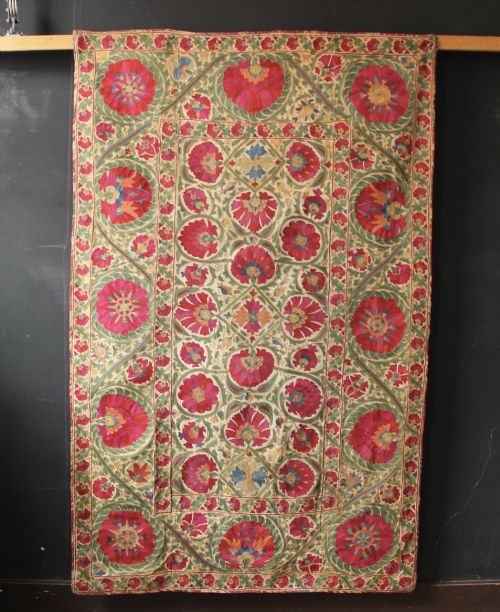
A suzani is a large embroidered textile from Central Asia, traditionally created by women as part of a bride's dowry. These pieces typically feature bold botanical motifs stitched in silk thread on cotton grounds.
Today, they are mounted on walls as decorative art, bringing rich textures and historical patterns into modern interiors.
How are antique Asian textiles mounted for display?
Antique textiles are often professionally framed behind glass to protect the delicate silk threads and natural fabrics from dust and handling. Unframed pieces may be secured to stretched backing panels or hung using specialised conservation sleeves.
Proper mounting ensures the weight of the textile is distributed evenly across the fabric without causing stress or tearing.
How do I identify a Lakai tribe embroidery?
Lakai tribe embroideries, originating from Uzbekistan, are typically distinguished by energetic geometric patterns, vibrant colour combinations, and dynamic use of appliqué. They frequently appear as small format dowry pieces, saddle covers, or yurt decorations.
The stitching often employs heavy silk threads that create a raised, tactile surface texture.
What period do most of these embroidered pieces come from?
The majority of these historical textiles date from the nineteenth century through the early twentieth century. This era encompasses pieces created during the Qing Dynasty in China as well as traditional tribal works from nineteenth-century Central Asia.
Dates are generally estimated based on stylistic markers, material wear, and regional production eras.