


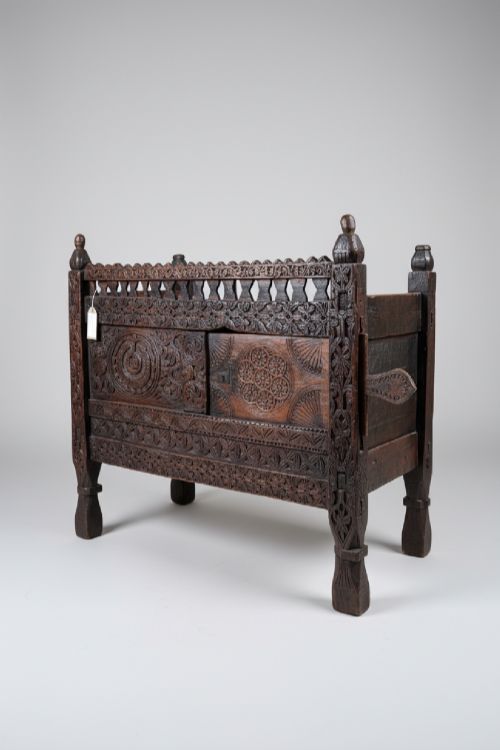


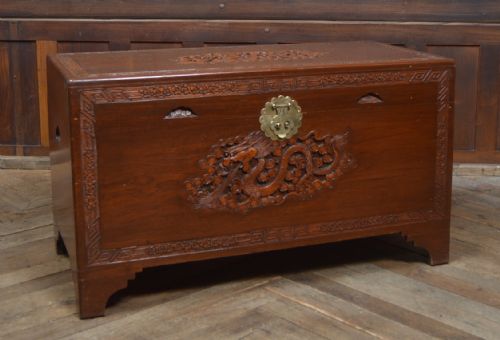
Asian Carved Wood Box
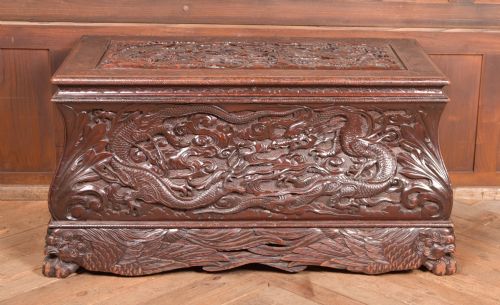
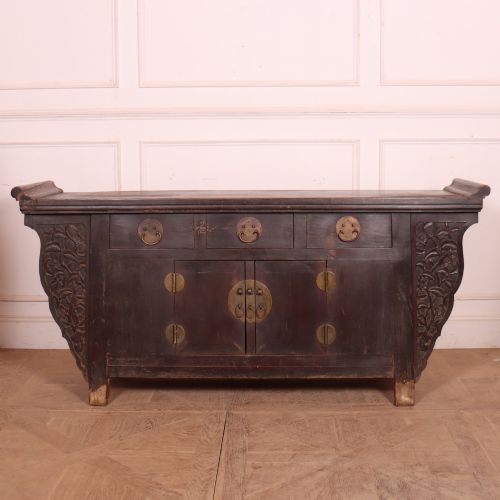
These pieces of an asian carved wood box offer intricate relief carving and practical storage, making them a striking addition to any interior.
Asian Carved Wood Box
When searching for an asian carved wood box, collectors encounter a diverse selection ranging from compact lidded vessels to large storage trunks and blanket chests. These items originate from periods such as the nineteenth century and the early decades of the twentieth century, reflecting various regional traditions.
How they were made
Makers utilised solid timbers including camphor wood, elm, and dense hardwoods, often selecting aromatic woods for trunks to protect contents. Construction frequently involved hand carving directly into the dense material to create deep relief scenes and floral patterns.
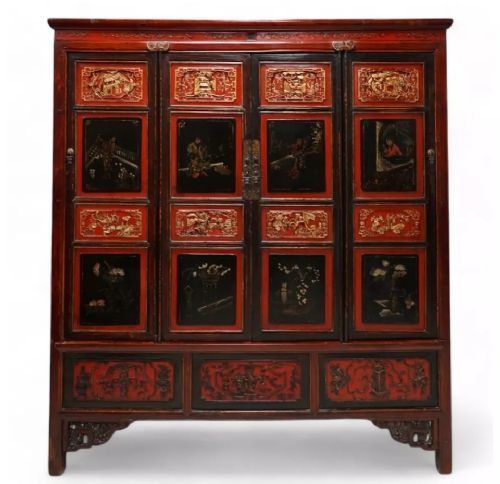
Surface finishes include red lacquer, cinnabar lacquer, and brass mounting or mother of pearl inlay. Artisans combined traditional joinery with meticulous surface decoration, sometimes applying metal plating or detailed lidded structures to smaller pieces like tobacco boxes.
Asian Carved Wood Box Retail Price Guide 2026
Typical asking prices for asian carved wood box among the pieces listed under this phrase on Sellingantiques today, from the lower quarter to the upper quarter. They describe what is for sale here now, not the wider market.
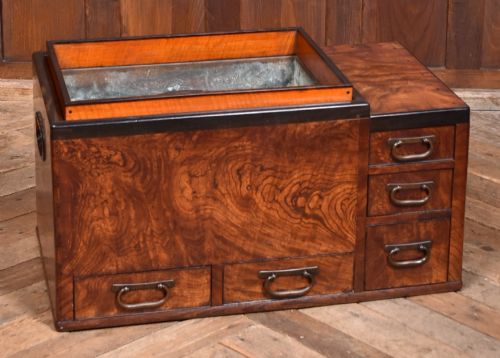
A small nineteenth-century Japanese box on this page comes complete with a figural pipe holder depicting Daruma.
What varies in quality
The depth and crispness of the carving distinguish finer examples from simpler production. Profusely carved surfaces that retain sharp edges and clear botanical or figural details indicate superior craftsmanship.
The choice of materials and secondary ornamentation also affect the standing of a piece. The integration of mother of pearl inlay, substantial brass fittings, or specialised lacquering elevates certain chests and cabinets above standard utility boxes.
The Asian Carved Wood Box Glossary
- Camphorwood
- A strongly scented timber commonly used for storage trunks due to its natural insect-repellent properties. It forms the basis of many nineteenth-century chests.
- Cinnabar lacquer
- A technique involving multiple layers of coloured resin carved away to reveal intricate designs. This method produces rich relief surfaces on decorative cabinets.
- Hibachi
- A traditional Japanese heating device or brazier adapted as an ornamental vessel. These items often feature metallic or wooden construction.
- Chinoiserie
- European decorative style reflecting Chinese artistic traditions. It appears on various imported and domestic storage pieces.
- Marriage cabinet
- A large storage furniture piece traditionally associated with wedding ceremonies. They often display striking red lacquer finishes.
Asian Carved Wood Box: Frequently Asked Questions
What were camphor trunks used for?
Camphor trunks served primarily to store garments, textiles, and valuable documents safely.
The natural aromatic qualities of the wood protected fabrics from insects and dampness during storage.
How do I date an antique box?
Dating relies on examining the timber species, construction joinery, and the style of surface decoration.
Nineteenth-century examples often display distinct regional carving patterns and traditional locking mechanisms.
Are these boxes suitable for daily use?
Larger chests and blanket boxes function practically as storage furniture within modern living spaces.
Smaller lidded vessels work well on tabletops to hold small accessories while adding decorative interest.
What is a wedding box?
A wedding box was traditionally presented during marriage ceremonies to hold gifts or personal items.
These pieces often feature robust construction and distinctive surface treatments like red lacquer.