



Asian Carved Animal Sculptures
These asian carved animal sculptures bring centuries of regional craftsmanship and animal forms directly into your home.
Asian Carved Animal Sculptures
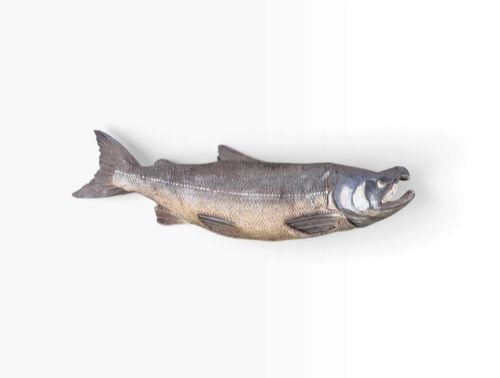
Asian carved animal sculptures encompass a diverse range of figures depicting creatures from tigers and rodents to ducks, fish, and horses. When exploring asian carved animal sculptures, expect to encounter forms shaped by hands across various historical periods.
The selections on this page draw from traditions such as the Japanese Meiji and Edo periods alongside Chinese Ming style and Qing Dynasty works. These objects function as decorative sculptures, netsuke, and miniature figures carved with notable attention to anatomical detail.
Originating from distinct East Asian folk and decorative art movements, these sculptures reflect both domestic fauna and symbolic creatures. Each piece represents a specific cultural approach to rendering animal life in three dimensions.
How they were made
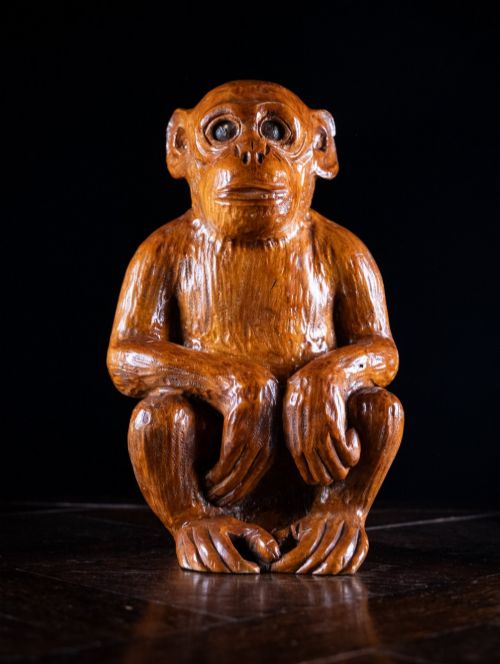
Artisans fashioned asian carved animal sculptures primarily from organic materials such as boxwood, carved hardwood, horn, and various timbers. Wood carvers utilised fine chisels to delineate fur, feathers, and muscular forms in subjects ranging from tigers to rabbits.
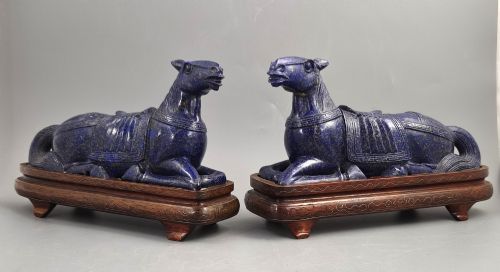
Mineral mediums also feature prominently, with sculptors working in jade, hardstone, porcelain with sancai glaze, and stone carvings dating back to pre-sixteenth century periods. These harder materials demanded specialised abrasive techniques to achieve smooth surfaces and defined contours.
Asian Carved Animal Sculptures Retail Price Guide 2026
Typical asking prices for asian carved animal sculptures among the pieces listed under this phrase on Sellingantiques today, from the lower quarter to the upper quarter. They describe what is for sale here now, not the wider market.
Listings feature wood, carved hardwood, jade, hardstone, boxwood, horn, and porcelain across periods from the pre-sixteenth century to the twentieth century.
What varies in quality
The distinction between standard works and exceptional examples lies in the precision of the carving and the naturalism of the animal's posture. Finer sculptures demonstrate a deep understanding of anatomy, evident in the tension of a tiger's limbs or the softness of a rabbit's form.
Material selection significantly influences the overall merit of a piece, particularly in the grain of hardwoods and the translucency or purity of jade and hardstone. Signed works often indicate a higher tier of artistry by named or master carvers who specialised in miniature or large-scale figures.
The Asian Carved Animal Sculptures Glossary
- Netsuke
- A small carved toggle historically used in Japan to secure small containers to traditional garments. These miniature carvings frequently depict animals with meticulous attention to detail.
- Okimono
- A Japanese decorative figurine designed for display on a tabletop or in a domestic alcove. They often represent animals such as rodents or rabbits in naturalistic poses.
- Sancai
- A traditional Chinese three-colour glaze technique utilised on ceramics. This glazing style appears on pieces like porcelain ducks.
- Hardstone
- A semi-precious stone category including materials like jade. Artisans carved these dense minerals into miniature animal sculptures.
- Meiji Period
- An era in Japanese history associated with high levels of craftsmanship in metalwork and wood carving. Sculptures from this time often exhibit dynamic realism.
Asian Carved Animal Sculptures: Frequently Asked Questions
What animals are commonly depicted?
Sculptures in this category frequently portray creatures such as tigers, horses, rabbits, rodents, ducks, and fish. Each animal often carried symbolic meaning within its respective culture.
Artists selected these subjects to showcase their ability to capture movement, texture, and natural behaviour in wood, stone, or jade.
How were netsuke used?
Netsuke served as practical toggles attached to the cords of traditional Japanese hanging pouches or containers. They allowed the wearer to tuck items securely into their kimono sashes.
Over time, these functional items evolved into highly collectable miniature sculptures appreciated for their intricate carvings.
What is an okimono?
An okimono is a decorative object intended purely for display in a traditional Japanese room or alcove rather than for fastening clothing. They range from small animal figures to larger sculptural works.
These pieces were placed on display to be admired by guests and family members alike.
How do I care for wooden carvings?
Wooden sculptures require stable environmental conditions away from direct sunlight and extreme humidity changes. Maintaining consistent indoor temperatures prevents the timber from splitting or drying out.
Gentle dusting with a soft, dry cloth is usually sufficient to keep the surface clean without damaging the carved details.