



Asian Bronze Statuette
An asian bronze statuette brings tangible history and presence into a room, offering small-scale sculpture from diverse Asian traditions.
Asian Bronze Statuette
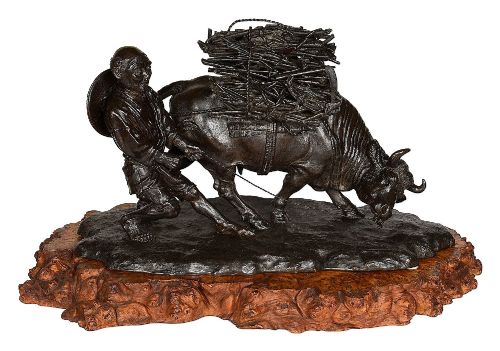
When searching for an asian bronze statuette, buyers encounter figures originating from Chinese, Japanese, Thai, Burmese, Javanese, and Tibetan traditions. These pieces include animal subjects like elephants, water buffalo, and tigers, alongside deities such as Buddha and Dewi Tara.
The selections span distinct periods, notably the Japanese Meiji period, Qing dynasty, and pre-sixteenth century eras. Forms range from compact demon figures to large temple lions and okimono.
Works appear in patinated brown bronze, gilt metal, and gilt bronze, occasionally incorporating secondary materials like burr wood, marble, mineral inlays, and hardwood bases.
How they were made
Artisans employed metal casting techniques to shape bronze, brass, and gilt metal into complex sculptural forms. Surface finishes were achieved through patination processes that created rich brown tones or through the application of gilding.
Asian Bronze Statuette Retail Price Guide 2026
Typical asking prices for asian bronze statuette among the pieces listed under this phrase on Sellingantiques today, from the lower quarter to the upper quarter. They describe what is for sale here now, not the wider market.
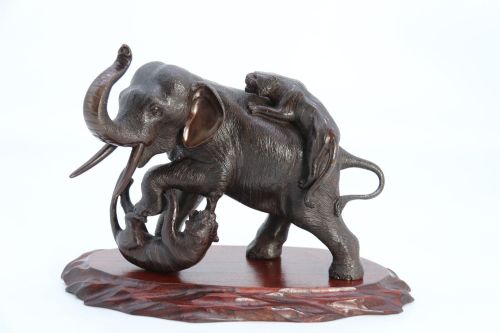
Several Meiji period bronzes capture tigers locked in dramatic struggle with unsuspecting elephants, proving that sculptors loved high drama just as much as quiet contemplation.
What varies in quality
Quality rests in the precision of the casting and the crispness of the surface chasing across the metal. Finer examples display animated postures and careful anatomical detail, particularly visible in complex multi-figure animal compositions.
The depth and preservation of the original patination or gilding significantly influence the visual impact of the metalwork. Integrated secondary elements, such as fitted wooden stands or mineral inlays, also distinguish superior items.
The Asian Bronze Statuette Glossary
- Bronze
- An alloy consisting primarily of copper, traditionally combined with tin, used extensively for durable sculptural casting. It develops a stable patinated surface over time.
- Gilt Bronze
- Metal cast in bronze and subsequently coated with a thin layer of gold or gold leaf. This technique enhances decorative brilliance and denotes high status.
- Okimono
- A Japanese term for a decorative object designed for display on a shelf or in a tokonoma alcove. These sculptures often depict animals, figures, or genre scenes from the Meiji period.
- Patina
- A thin layer that naturally or artificially forms on the surface of bronze through oxidation and handling. It alters the colour and protects the underlying metal.
- Sino-Tibetan
- A stylistic classification describing art produced at the cultural crossroads of China and Tibet. It frequently combines Buddhist iconography with refined Chinese casting methods.
Asian Bronze Statuette: Frequently Asked Questions
How do I identify a Meiji period bronze?
Japanese bronzes from the Meiji period often feature dynamic animal subjects, such as elephants and tigers, executed with high realism and detailed surface chasing. Makers during this era produced both large decorative okimono and smaller cabinet pieces.
Examining the patination and the integration of any signature or base can also help contextualize the piece within late nineteenth and early twentieth century Japanese metalwork.
What is the difference between bronze and gilt metal?
Bronze is a copper alloy specifically cast for its strength and ability to hold fine sculptural detail. Gilt metal refers to a base metal object that has received a surface application of gold colour or gilding.
While both materials achieve a metallic finish, genuine bronze exhibits specific weight, resonance, and ageing characteristics distinct from plated or gilt alternatives.
How should I clean an antique bronze figure?
Antique bronzes generally require minimal intervention to preserve their historic patination. Dusting with a soft, dry cloth is usually sufficient for regular maintenance.
Avoid using chemical polishes, abrasive cloths, or water, as these can strip away the stable surface layers and patinas that accumulate over centuries.
Where were temple lions placed?
Tibetan and Chinese temple lions typically stood as guardian figures flanking sacred spaces, altars, or doorways. These paired sculptures were traditionally cast in bronze or gilt metal to project authority and protection.
In domestic settings, smaller pairs function as decorative mantle or tabletop accents while retaining their traditional symmetrical arrangement.