



Asian Art Stands
These asian art stands and associated artefacts bring centuries of craftsmanship into your home, offering wonderful display platforms and sculptural focal points.
Asian Art Stands
When you search for asian art stands, you encounter a specialised selection of display bases, carved supports, and complete sculptural groupings designed to elevate decorative objects.
Originating across different regions and eras, these pieces reflect traditional craftsmanship from China, Southeast Asia, and Japan, spanning periods from the sixteenth century through to the early twentieth century.
Materials and construction
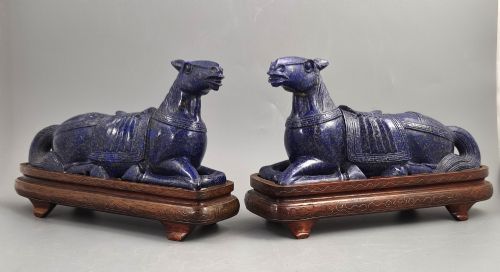
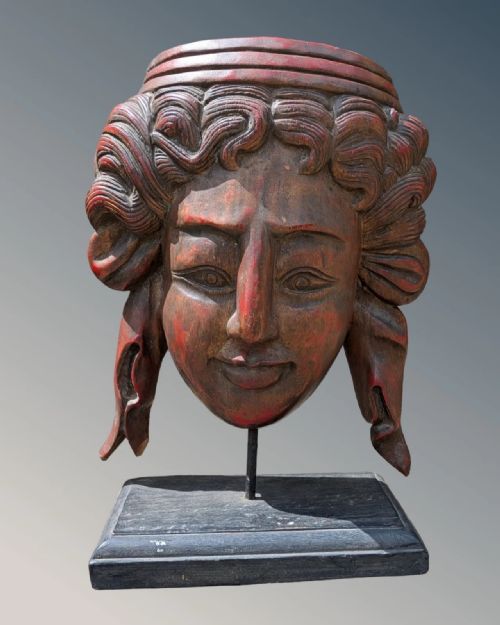
The physical evidence demonstrates a strong reliance on carved wood, particularly hardwoods and giltwood, alongside cast bronze and lacquered finishes.
Skillful artisans utilised techniques such as intricate hand-carving, silver inlay, and gold leaf application to embellish both the stands and the objects they supported.
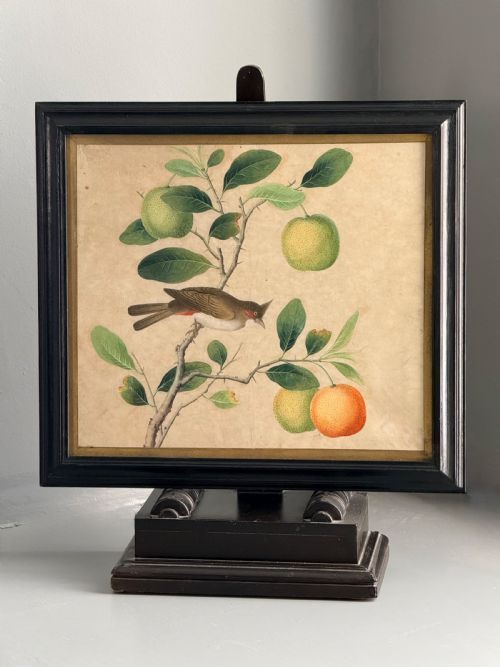
Other organic and delicate materials like pith paper and silk appear within the broader selection of associated artworks and table screens.
Asian Art Stands Retail Price Guide 2026
Typical asking prices for asian art stands among the pieces listed under this phrase on Sellingantiques today, from the lower quarter to the upper quarter. They describe what is for sale here now, not the wider market.
Several pieces involve horses standing so steadily on silver inlaid platforms that they have remained calm through multiple centuries of shifting empires.
Assessing quality and craftsmanship
Quality reveals itself through the depth and precision of the carving, especially in wooden display bases where crisp detail and structural integrity matter greatly.
Originality is paramount, meaning that pieces retaining their matching or original stands generally hold greater cohesion than mismatched assemblies.
The refinement of the surface patination on bronzes and the delicacy of polychrome or gilt applications on wood further distinguish finer examples from standard production.
The Asian Art Stands Glossary
- Hongmu
- A dense, heavy Chinese hardwood prized for its rich colour and stability, frequently utilised for fine display stands.
- Ayutthaya Period
- A historical era in Thailand associated with distinctive bronze and gilt Buddha figures and related stylistic traditions.
- Pith paper
- A delicate material formed from the pith of the Tetrapanax papyrifer plant, historically used for watercolour and gouache paintings.
- Qing Dynasty
- The final imperial dynasty of China, spanning from the seventeenth to the early twentieth century, noted for varied decorative arts.
- Table screen
- A decorative panel mounted in a carved wooden stand, traditionally used on desks or tables for contemplation.
Asian Art Stands: Frequently Asked Questions
What are Asian art stands?
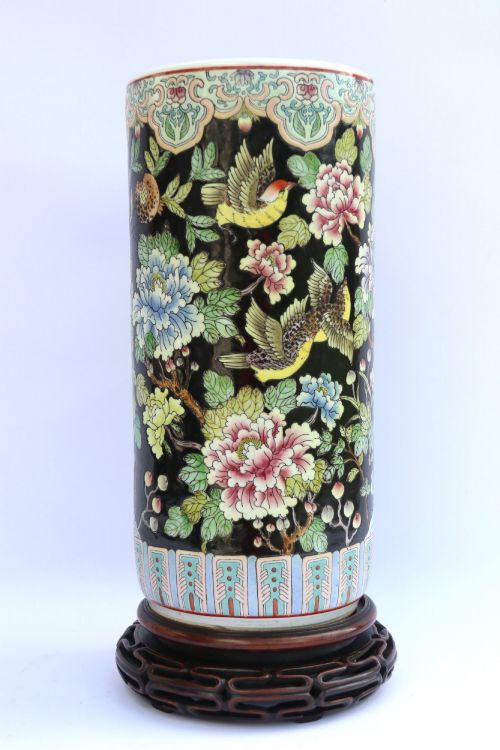
These are specialised carved wooden bases and display fixtures designed to support decorative objects, statues, and vases.
They often form an integral part of the presentation for traditional items originating from China and broader Asian regions.
How do I date a wooden display stand?
Dating relies on observing the wood species, such as dense hongmu, alongside the complexity of the hand-carving techniques.
Comparing the construction methods and the tool marks to established historical periods helps narrow down the century of manufacture.
Were stands always made for specific objects?
Many fine pieces feature original fitted stands designed specifically to match the contours and weight of the accompanying bronze, jade, or porcelain.
Over time, however, objects and stands have also been paired together based on aesthetic harmony and shared proportions.
How should I care for antique wood and bronze?
Maintain stable indoor humidity levels to prevent delicate carved hardwoods from splitting or drying out over time.
Dust surfaces gently with a soft, dry cloth without applying modern chemical polishes that might disturb the historical patination.