

Asian Art Frame
An asian art frame secures works ranging from delicate pith paper to vibrant silk embroideries, bringing historic Eastern craftsmanship into modern interiors.
Asian Art Frame
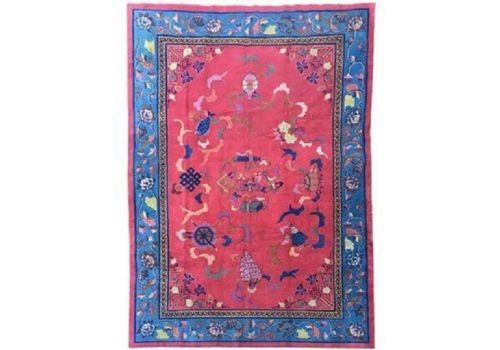
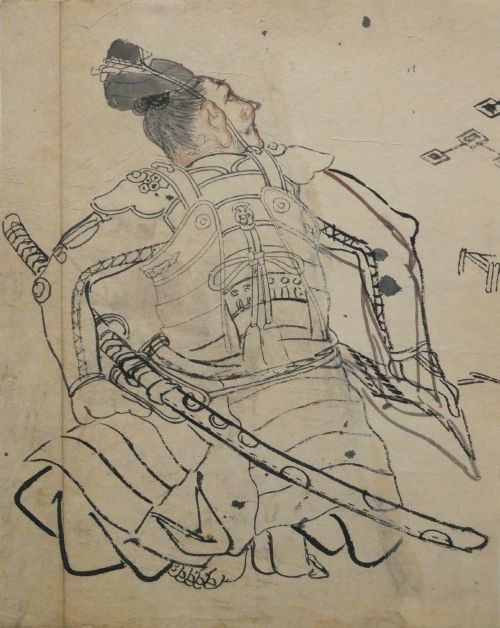
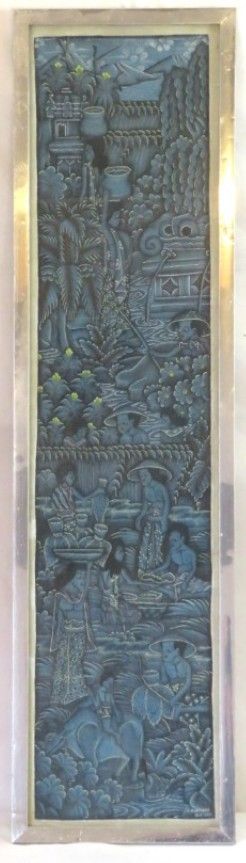
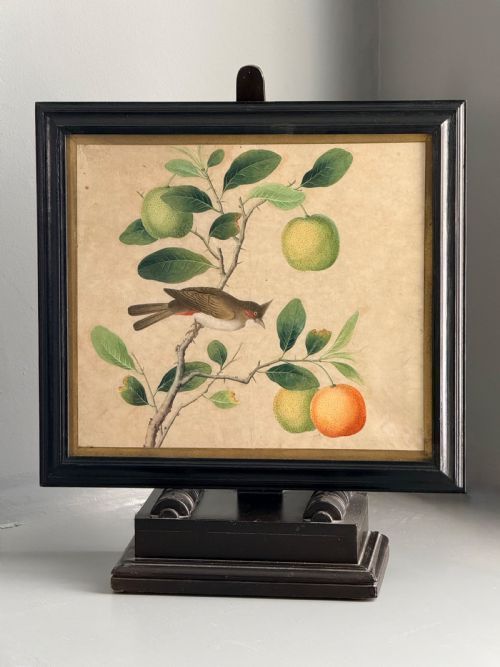
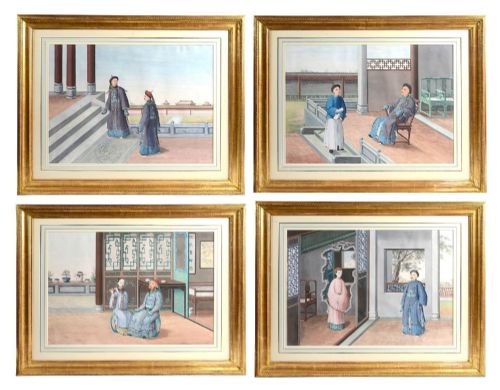
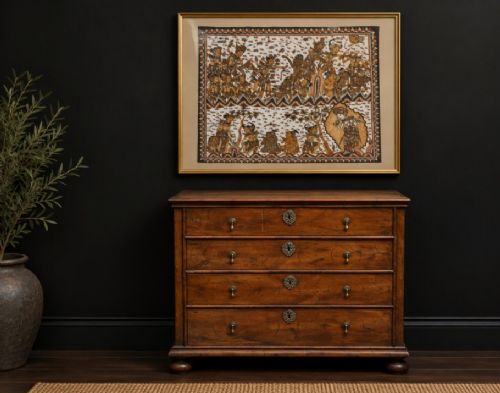
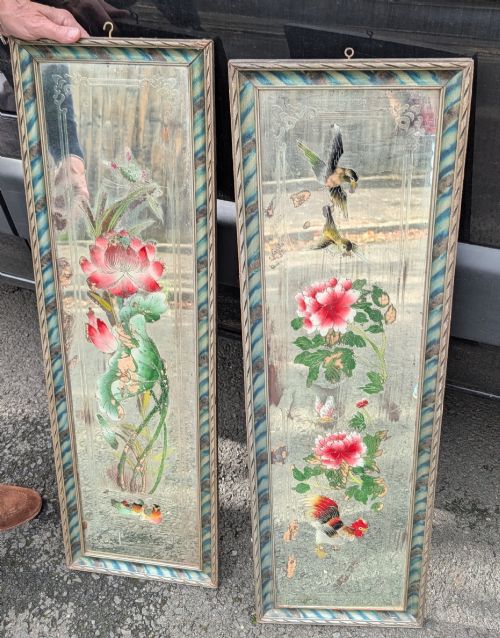
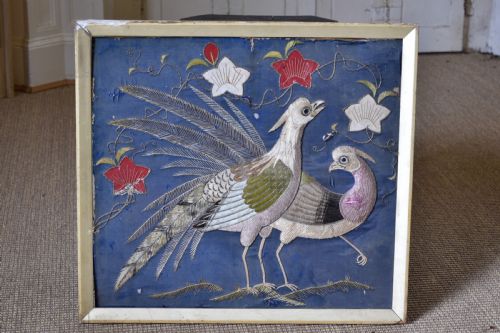
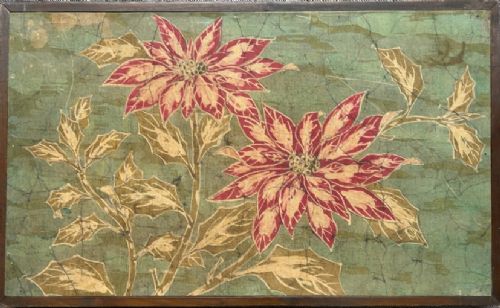
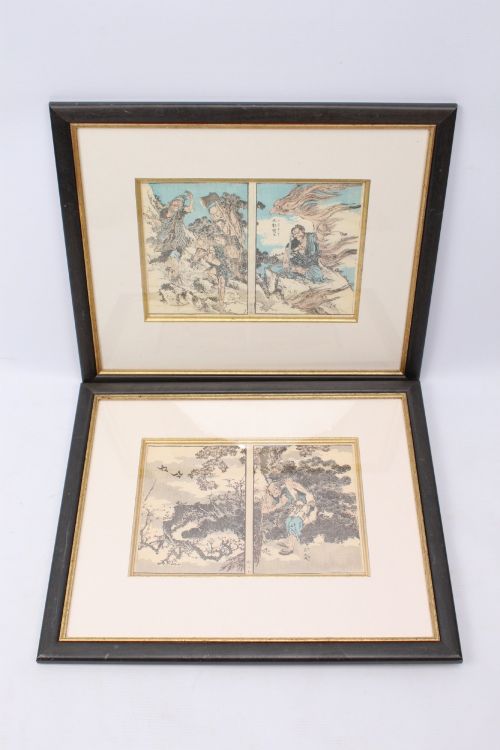
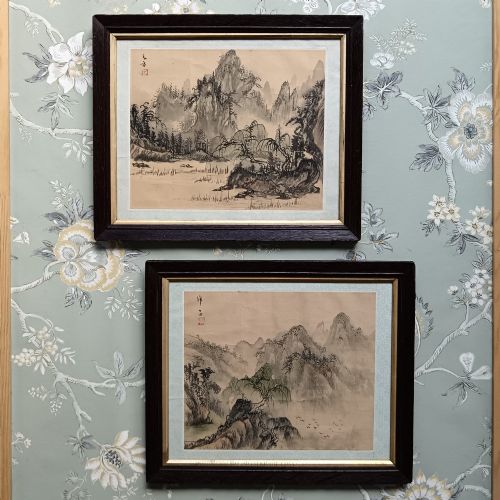
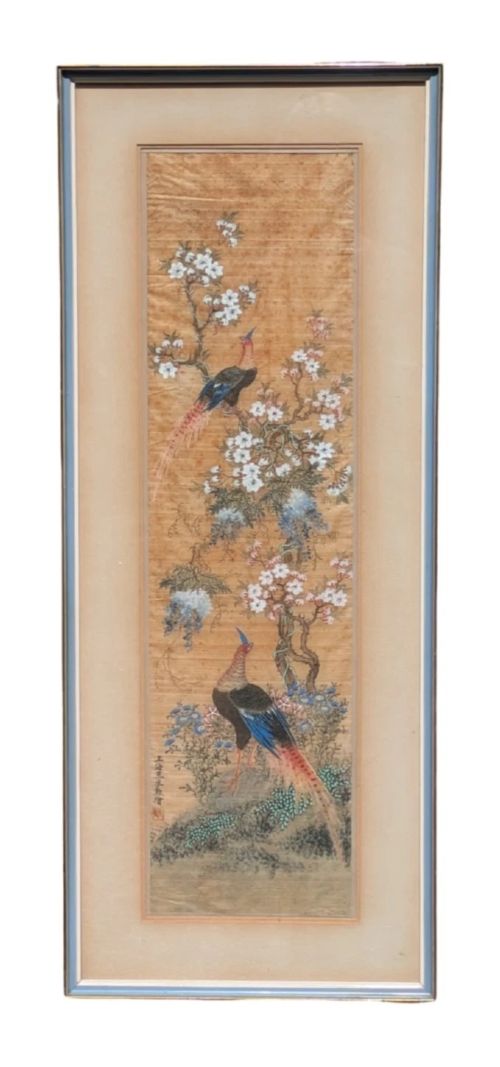
When searching for an asian art frame, collectors encounter a diverse array of framed works spanning multiple centuries and regions. The selections encompass traditional Chinese watercolors, Japanese woodblock prints, Balinese textile panels, and Indian gouache paintings.
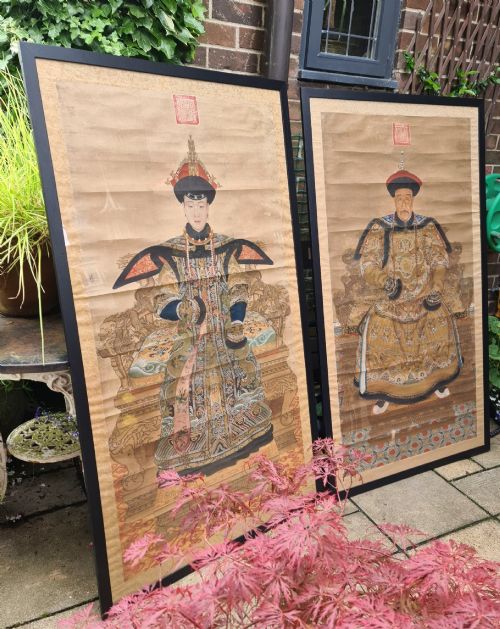
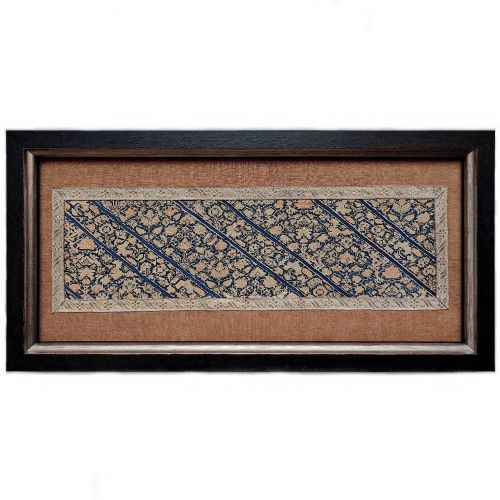
The most common formats on this page are framed wall art, silk embroideries, and ancestor portraits housed beneath glass. These pieces reflect distinct cultural traditions, from Qing Dynasty scrolls to Edo period ukiyo-e prints.
Objects range from compact manuscript pages to large ancestral scrolls and decorative wall plaques. Each piece utilises traditional framing to preserve delicate mediums like paper, silk, and woven textiles.
Materials and technique
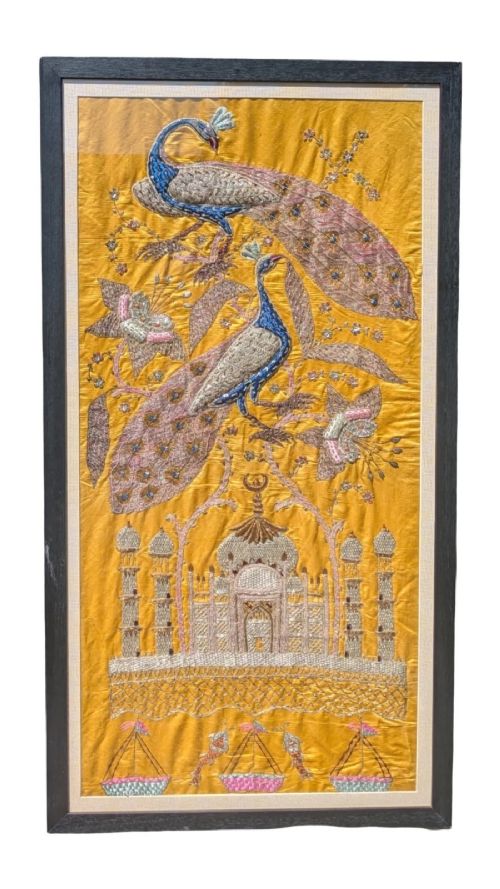
Makers utilised organic materials such as mulberry wood, paper, silk, and canvas as the primary surfaces for paint, ink, and pigment. Gouache, tempera, and watercolours were applied with precision, often complemented by hand-sewn silk embroidery and metallic threads.
Frames frequently incorporate traditional techniques, including red lacquer work, mother of pearl inlay, and abalone shell embellishment. Glazing protects fragile components like pith paper and silk panels from environmental damage.
Asian Art Frame Retail Price Guide 2026
Typical asking prices for asian art frame among the pieces listed under this phrase on Sellingantiques today, from the lower quarter to the upper quarter. They describe what is for sale here now, not the wider market.
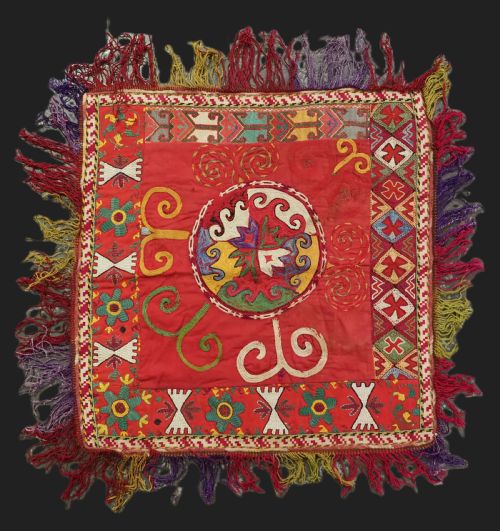
The selection includes Japanese woodblock prints, Chinese ancestor portraits, Balinese textile paintings, and Uzbek tribal embroideries.
Assessing quality
Quality rests upon the fineness of the brushwork, the preservation of organic pigments, and the integrity of the original mounting. Superior works display meticulous detail in facial expressions, textile stitching, and inlay placement.
The survival of original frames, particularly those featuring period lacquer or mother of pearl work, elevates the significance of the piece. Condition of the underlying silk or paper determines the overall longevity and visual impact.
Katsukawa Shunshō·Kitagawa Utamaro·Takabatake Kasho·Ah Hee Studio
The Asian Art Frame Glossary
- Ukiyo-e
- A genre of Japanese art flourishing from the seventeenth through nineteenth centuries, depicting scenes of everyday life and landscapes. These woodblock prints and paintings heavily influenced Western aesthetics.
- Pith paper
- A delicate organic material derived from the pith of the Tetrapanax papyrifer plant, commonly used for nineteenth-century Chinese export paintings. It requires protective glazing due to its fragile nature.
- Shan Shui
- A style of traditional Chinese painting that depicts natural scenery using ink and wash rather than paints. These works focus on the spiritual essence of mountains and rivers.
- Gouache
- An opaque water-based paint consisting of pigment, water, and a binding agent such as gum arabic. It yields vibrant matte surfaces found frequently on historic manuscript pages and silk.
- Ilgich
- A traditional Uzbek dowry embroidery piece created for wall hanging, often featuring bold geometric motifs and silk threads. These textiles demonstrate nomadic artistry from Central Asia.
Asian Art Frame: Frequently Asked Questions
How do I care for silk paintings?
Keep framed silk and textile art away from direct sunlight to prevent the organic dyes from fading over time. Maintain stable room temperatures to protect delicate fabrics from humidity.
Ensure pieces remain safely behind glass to shield the fibres from dust and physical contact. Professional conservation framing guarantees long-term stability for antique textiles.
How do I identify woodblock prints?
Japanese woodblock prints exhibit crisp black key lines and flat areas of pigment applied by hand through carved blocks. Close inspection reveals subtle wood grain impressions in the paper.
Signatures and publisher seals often appear in the margins of authentic Edo and Meiji period works. These marks help historians date the printing block and edition.
Are original frames important?
Original frames provide historical context and ensure the artwork was housed as intended by its maker or contemporary owner. Period lacquer and inlaid frames complement the aesthetic of the painting.
Replacement frames can alter the visual balance of antique scrolls and embroideries. Whenever possible, retaining original mounting preserves the complete historical object.