








Asian Storage
Asian antique storage pieces bridge utility and decoration, bringing regional craftsmanship into daily life through cabinets, chests and woven bags.
Asian Storage
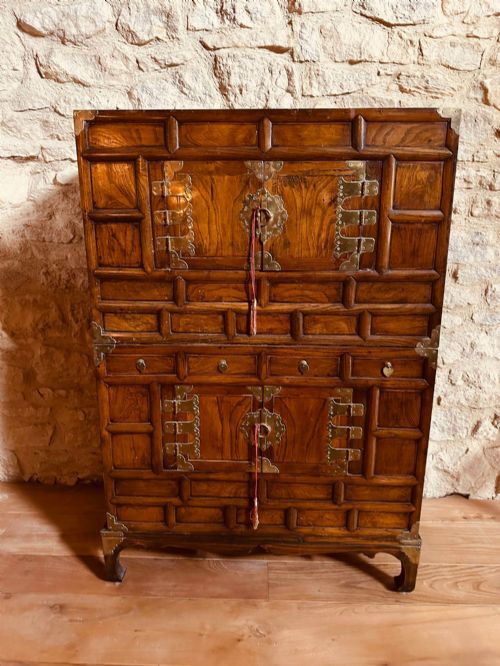
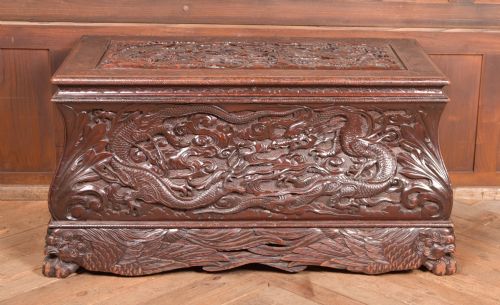
Asian antique storage encompasses wooden cabinetry, painted chests and woven tribal bags originating from nineteenth and early twentieth century workshops. Buyers searching for Asian antique storage frequently encounter Chinese marriage cabinets, Japanese tansu chests and Central Asian Turkmen tent bags.
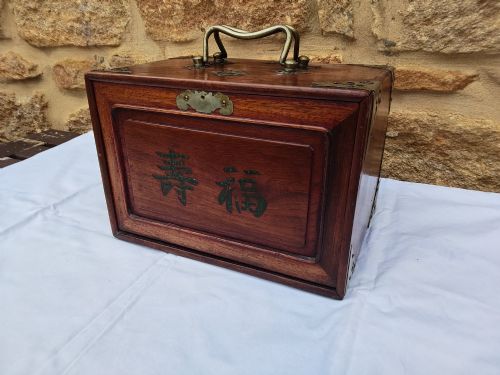
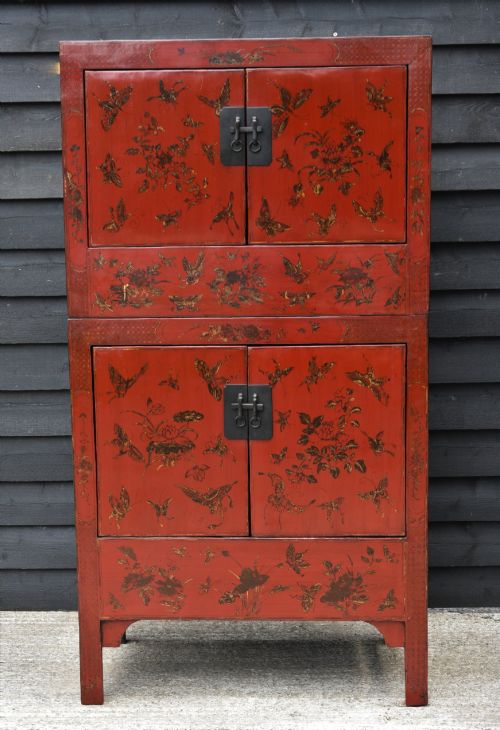
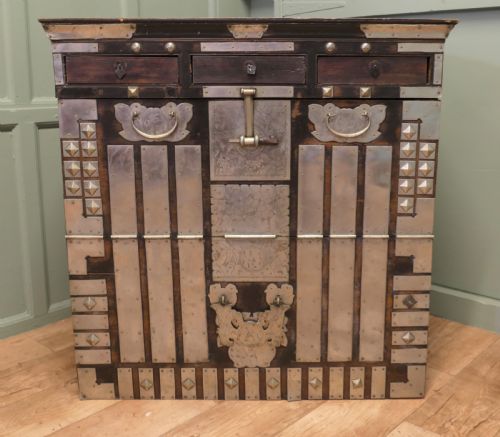
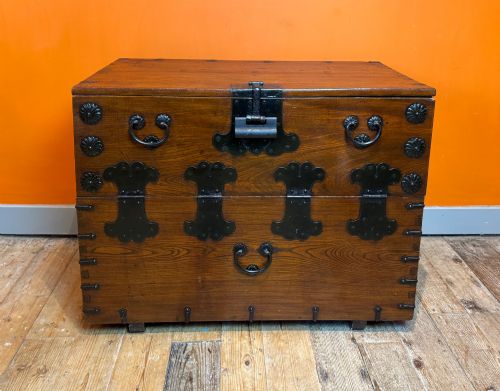
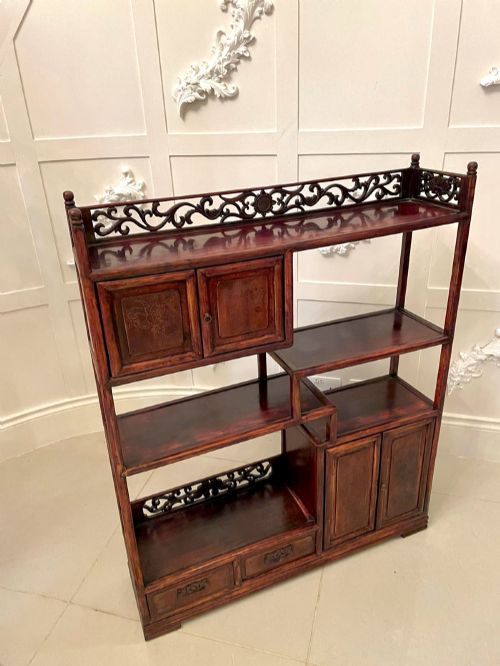
The selection ranges from large elm harvest baskets and camphorwood trunks to multi-tiered red lacquer dowry baskets and apothecary medicine cabinets. These items reflect the domestic and nomadic storage traditions of China, Japan and Central Asia.
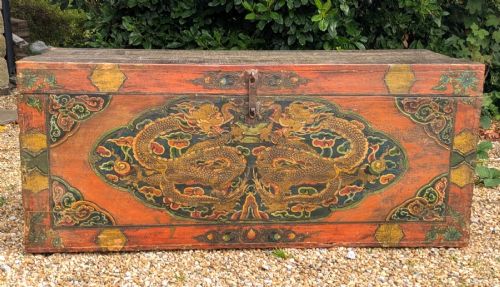
Painted Tibetan and Swat Valley dowry chests provide brightly decorated alternatives to the heavier timber furniture produced in Chinese provincial centres. Each form serves a specific household function, from storing garments to holding medicinal herbs.
Materials and construction
Construction relies on native timbers such as elm and camphorwood, joined with traditional framing methods that accommodate seasonal wood movement. Surfaces receive layers of red or black lacquer, sometimes paired with hand-painted floral or figural motifs.
Nomadic textile storage pieces utilise wool and natural dyes, constructed with fine weaves and embroidered highlights. Metal fittings in iron and brass provide structural reinforcement and closure mechanisms on cabinets and chests.
Asian Storage Retail Price Guide 2026
Typical asking prices for asian storage among the pieces listed under this phrase on Sellingantiques today, from the lower quarter to the upper quarter. They describe what is for sale here now, not the wider market.
Listings feature items from the nineteenth and early twentieth centuries, utilising wood, lacquer, wool, iron and brass.
Factors of quality
Quality depends on the preservation of original surface finishes, such as layers of lacquer and hand-painted details. Cabinets with intact brass or iron hardware and stable joinery retain greater integrity.
Textile storage pieces show distinction in knot density, dye clarity and the completeness of original plain weave backs or hanging flaps. The precision of carving on wooden trunks and marriage cabinets further distinguishes standard domestic items from finer examples.
The Asian Storage Glossary
- Tansu
- A traditional Japanese mobile or stationary wooden chest used for domestic storage. These pieces often feature iron hardware and specialised internal compartments.
- Chuval
- A large Turkmen tent-storage bag woven by nomadic tribes. These items were utilised for storing household goods within yurt dwellings.
- Torba
- A smaller Turkmen bag face or complete storage pouch featuring geometric gul designs. They hung inside nomadic tents for personal items.
- Lacquer
- A durable resin finish applied to wooden surfaces in multiple coats. It provides protection and a glossy decorative sheen.
- Gul
- A medallion motif repeated across Central Asian tribal rugs and storage bags. Each tribal group utilises distinct variations of this pattern.
Asian Storage: Frequently Asked Questions
What is a wedding cabinet?
A wedding cabinet is a large timber storage piece traditionally given to a bride in China as part of her dowry. These units held garments and personal belongings.
They often feature red lacquer finishes and brass hardware designed to symbolise prosperity and good fortune in the household.
How do I use a tansu in a modern home?
A tansu functions effectively as a low sideboard, bedside table or media unit depending on its original scale and drawer configuration. The robust wooden construction accommodates modern daily use.
Placing these chests against plain walls highlights their distinctive iron strapwork and regional Japanese joinery.
Where were Turkmen storage bags made?
Turkmen storage bags originate from nomadic and semi-nomadic tribes inhabiting the steppes and oases of Central Asia. Weavers constructed these items using wool and natural dyes.
Tribes such as the Yomut, Tekke and Ersari produced distinct bag faces including chuvals and torbas for domestic utility.
How do I care for antique lacquer furniture?
Antique lacquer surfaces require dusting with a soft, dry cloth and protection from direct sunlight and extreme humidity changes. Avoid commercial cleaning sprays.
Maintaining stable indoor environmental conditions prevents the wooden substrate from expanding and cracking the delicate lacquer layers.