



Asian Bottle
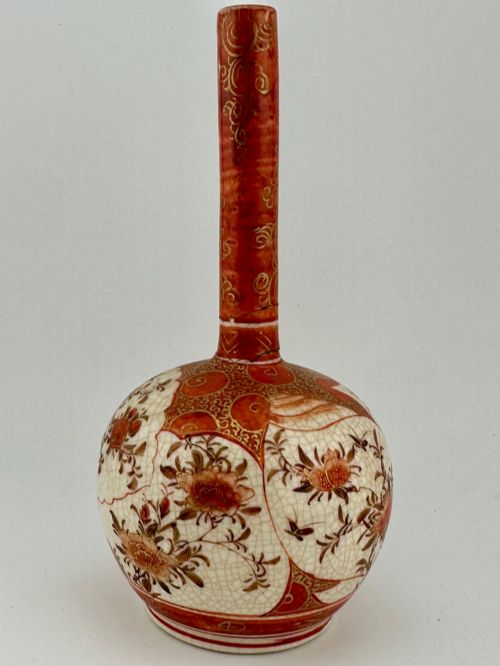
These asian antique bottle examples range from delicate porcelain snuff bottles to substantial Japanese Imari vases.
Asian Bottle
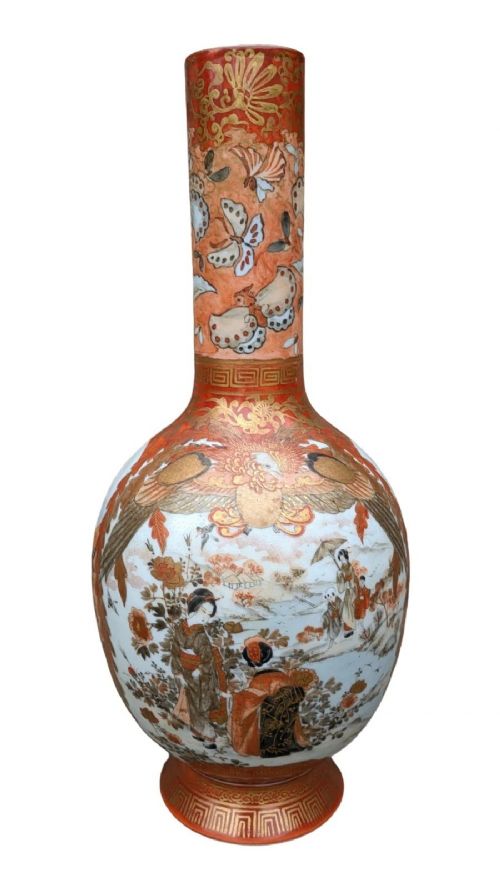
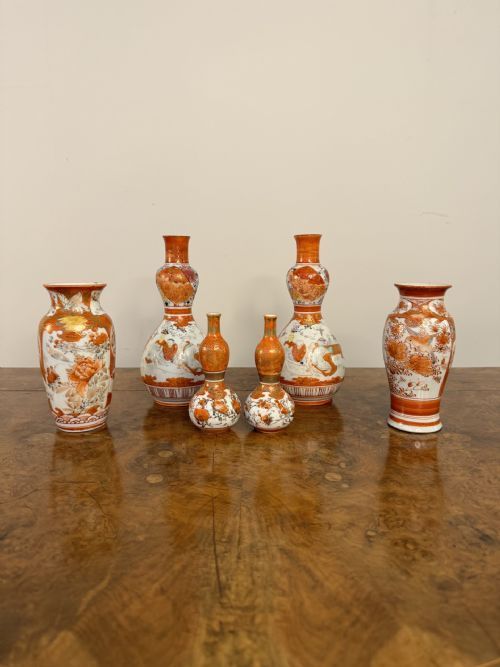
Vases and snuff bottles dominate the forms available in this category. Pieces range from large decorative Japanese Imari and Kutani vases to small Chinese crackle glazed porcelain snuff bottles and carved hardstone containers.
The origins trace back through various historical periods including the Qing Dynasty, Ming Dynasty, and Meiji Period. Buyers frequently find nineteenth-century examples alongside earlier stylistic influences.
How they were made
Potters shaped porcelain and ceramic bodies before applying cobalt glaze, enamel, or iron red and gilt decoration. Many items incorporate intricate painting techniques characteristic of traditional Chinese export decorative art and Japanese kilns.
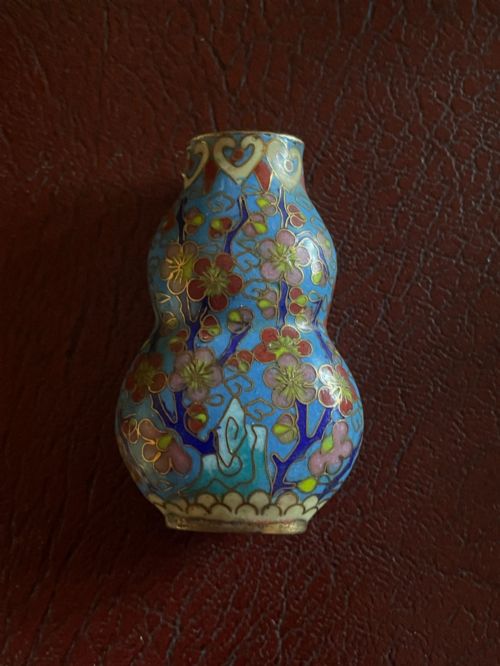
Metalworking and stone carving skills appear in pieces utilising brass, copper, jade, and hardstone. Cloisonné examples demonstrate wirework techniques fused with enamel, while snuff bottles often feature detailed carving paired with metal stoppers.
Asian Bottle Retail Price Guide 2026
Typical asking prices for asian bottle among the pieces listed under this phrase on Sellingantiques today, from the lower quarter to the upper quarter. They describe what is for sale here now, not the wider market.
Recorded periods span from the seventeenth century through the Meiji period and the Qing dynasty.
What varies in quality
The refinement of the painted decoration separates standard production pieces from finer works. Precision in brushwork, particularly on porcelain and enamel surfaces, indicates the skill of the original maker.
Material selection and execution drive the distinction between ordinary items and superior examples. Carved hardstone and jade pieces depend heavily on the crispness of the carving and the quality of the raw material.
The Asian Bottle Glossary
- Imari
- A style of Japanese porcelain featuring a distinct palette of underglaze blue, iron red, and gilt highlights. This decorative approach became widely popular for export wares during the Edo and Meiji periods.
- Kutani
- A style of Japanese coloured porcelain known for bold palettes, frequently incorporating iron red and gilt. These wares often depict figurative scenes or intricate natural motifs.
- Snuff bottle
- A small container utilised historically for holding powdered tobacco. Asian examples demonstrate immense variety in materials, including porcelain, jade, and carved hardstone.
- Cloisonné
- A metalwork technique where compartments are created by soldering flat metal wire onto a base. These areas are then filled with enamel paste and fired.
- Cobalt glaze
- A blue pigment applied beneath the transparent glaze on ceramic bodies. This material withstands high firing temperatures and remains stable under traditional glazes.
Asian Bottle: Frequently Asked Questions
What is an asian antique bottle used for?
These vessels served various functions depending on their size and form. Larger pieces acted as decorative vases or wine bottles, while smaller containers held substances like medicinal powders or tobacco.
Today, collectors primarily display these objects as decorative art pieces within interiors. Their varied forms and historic glazes make them focal points on shelves or tabletops.
How do I identify Chinese versus Japanese pieces?
Distinguishing between Chinese and Japanese pieces involves examining the specific decorative styles and materials employed. Japanese items often feature Imari or Kutani palettes, whereas Chinese pieces frequently exhibit blue and white porcelain or carved hardstone.
Examining base markings, glaze characteristics, and stylistic motifs helps determine the likely country of origin. Each tradition developed distinct approaches to form and surface decoration over the centuries.
How do I care for antique porcelain and jade?
Maintaining these objects requires gentle handling and placement away from direct sunlight and dramatic temperature fluctuations. Dusting with a soft, dry cloth prevents the accumulation of grime on delicate enamel or gilt surfaces.
Avoid using chemical cleaners or abrasive materials on antique glazes or carved stones. Secure placement prevents accidental drops, particularly with top-heavy vases and small snuff bottles.
How do I date a nineteenth-century bottle?
Dating relies on stylistic clues, manufacturing techniques, and materials recorded across historical periods. Nineteenth-century examples often reflect Meiji Period Japanese aesthetics or Qing Dynasty Chinese production standards.
Comparing glaze types, colour palettes, and decorative motifs against established benchmarks assists in narrowing down the date of manufacture. Documentation and period-specific marks further clarify the age of the piece.