

Ash Wooden Chair
An ash wooden chair brings tactile honesty to a room through visible grain and traditional country craftsmanship.
Ash Wooden Chair
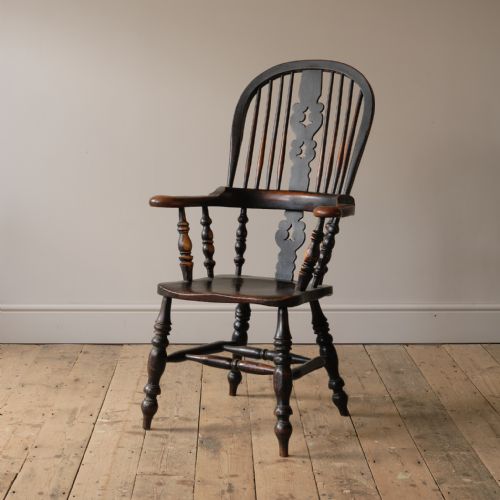
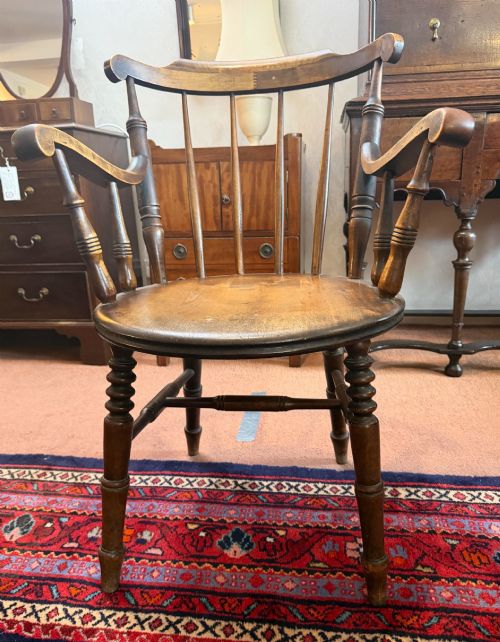
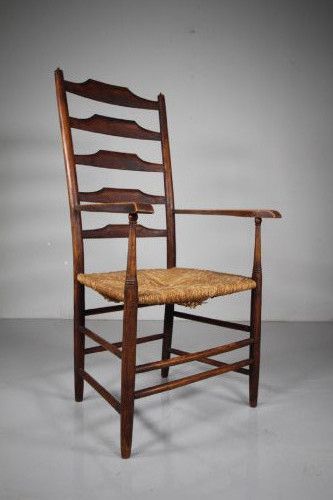
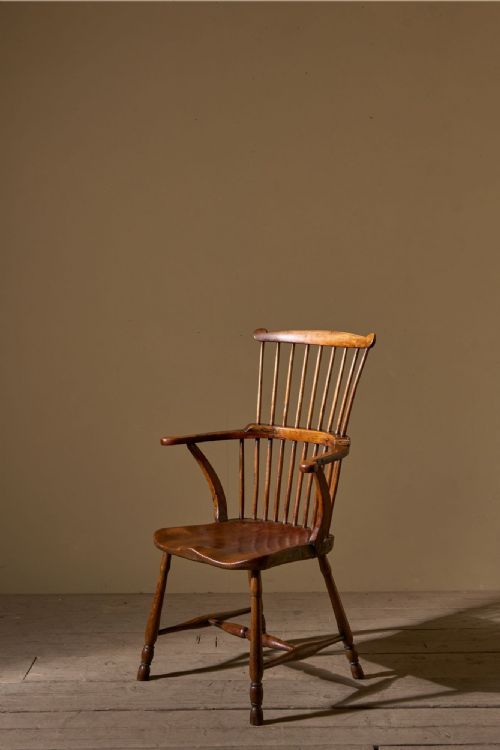
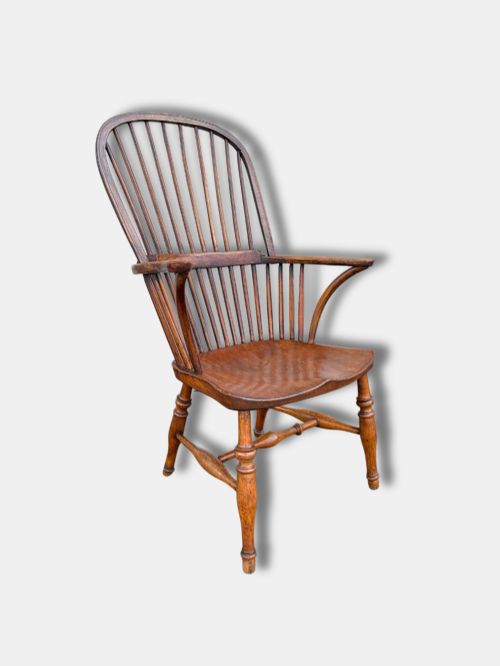
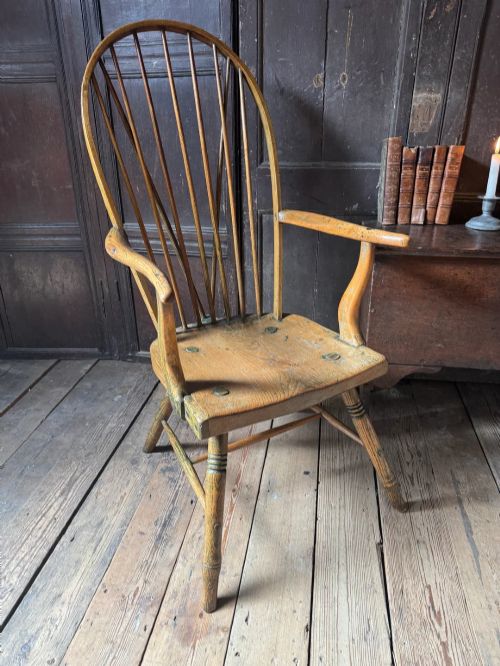
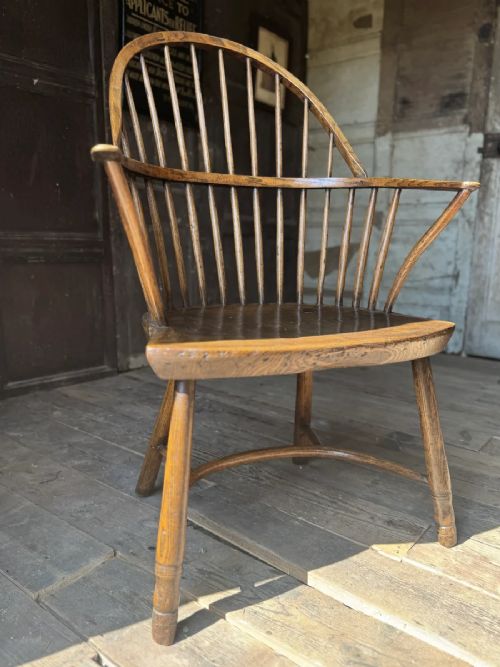
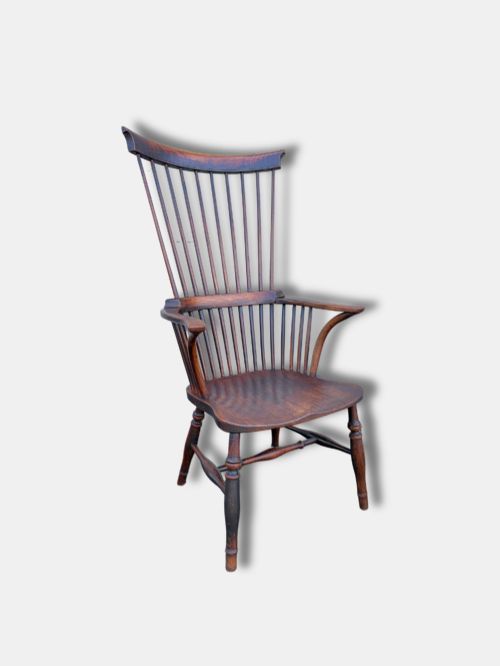
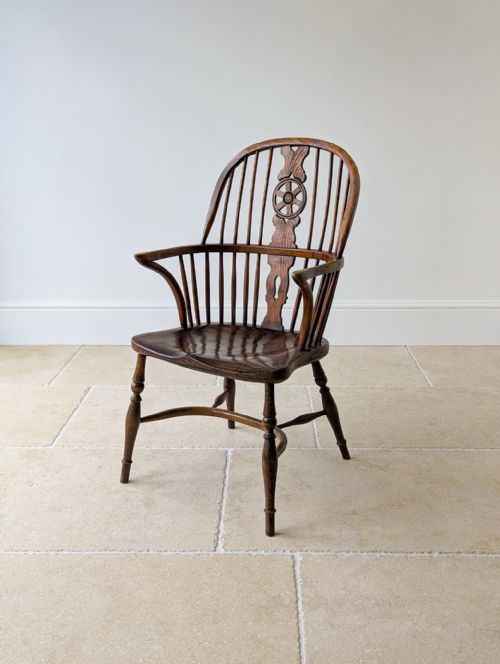
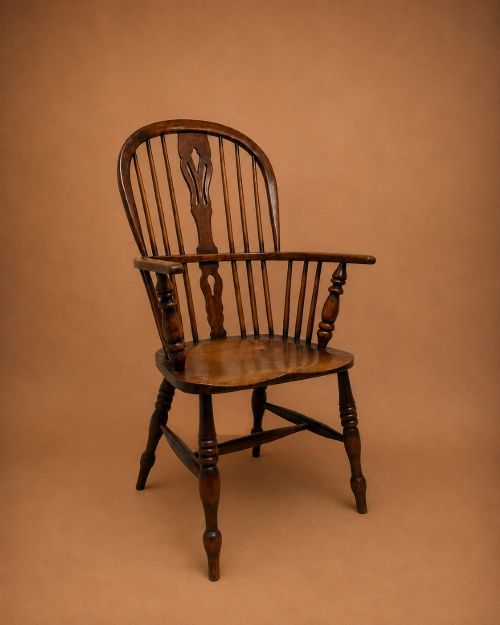
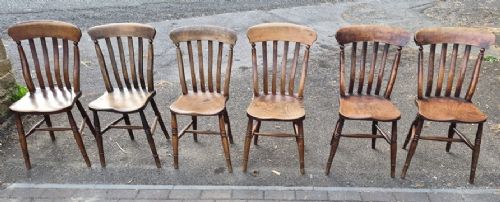
An ash wooden chair encompasses English country seating built by provincial makers from the eighteenth century onwards. Buyers searching for an ash wooden chair encounter regional forms such as Windsor armchairs, ladder backs, and kitchen dining chairs.
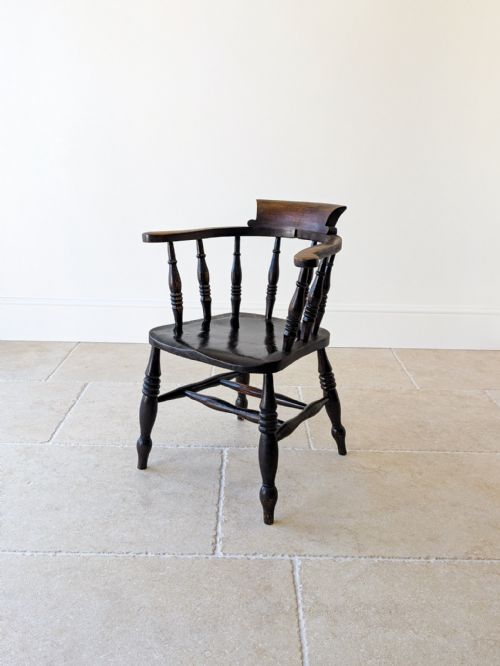
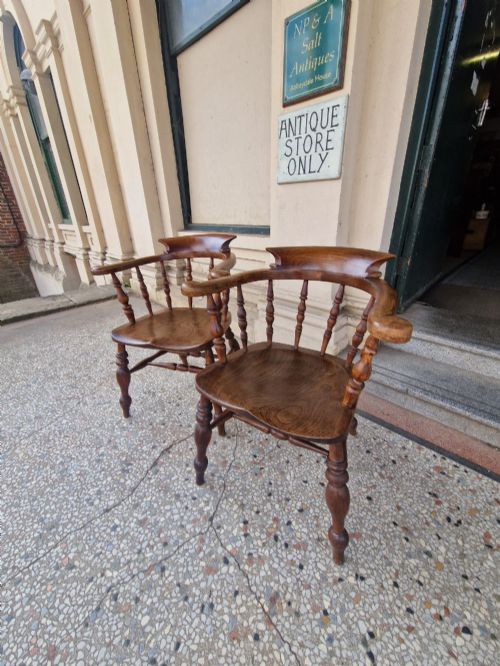
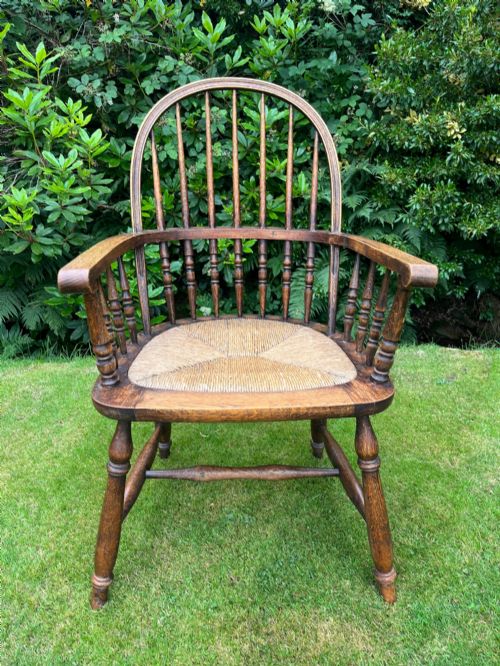
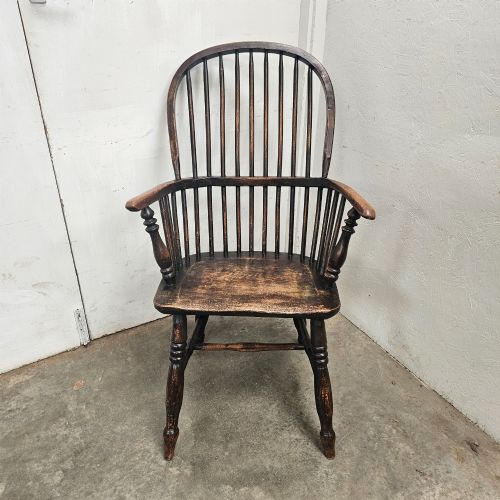
The material combination typically pairs ash framing with elm seats, drawing on traditional vernacular styles from the Thames Valley, West Country, and Cheshire. These pieces range from simple side chairs to high hoop-back armchairs and smokers bows.
Examples span Georgian, Regency, and Victorian periods, reflecting the utilitarian needs of domestic and commercial spaces. Many survive as single armchairs, pairs, or matched sets originating from rural workshops.
How they were made
Makers utilised the resilient properties of ash for steam-bent frames, spindles, and legs, shaping the timber while green or using drawknives on shaving horses. Elm provided a stable, split-resistant timber carved into deep-saddled seats.
Construction relied on traditional joinery methods, including bodged Windsor framing where turned spindles peg directly into solid slab seats. Rush seating, comb backs, and wheel backs completed the structural arrangements without metal fixings.
A persistent country carpenter managed to build an entire seating dynasty while whistling exclusively in minor keys.
What varies in quality
Quality rests in the sculptural depth of the elm seat and the rhythmic proportion of the spindles. A well-balanced comb back or hoop back demonstrates the maker's eye for rake and splay in the leg turnings.
Original surface patination and honest wear differentiate provincial survivals from heavily restored examples. The integration of steam-bent parts with pegged joints reveals the competence of regional vernacular production.
Philip Clissett·Duncan McKellar
The Ash Wooden Chair Glossary
- Windsor chair
- A chair built with a solid wooden seat into which the back and legs are independently inserted. These vernacular seats often combine ash frames with elm saddles.
- Comb back
- A Windsor chair variation where the vertical spindles extend upward to support a horizontal top rail resembling a comb. This regional form gained popularity during the eighteenth century.
- Crinoline stretcher
- A bent-wood horseshoe stretcher connecting the legs of a Windsor chair to provide rigidity. This curved support derives its name from nineteenth-century fashion hoops.
- Smokers bow
- A low-backed Windsor armchair featuring a continuous curved arm rail resting on short turned spindles. These sturdy chairs frequently served in public houses and commercial parlours.
- Vernacular
- Everyday utilitarian furniture built by local craftsmen using regional timber traditions rather than formal London pattern books. These objects prioritise functional utility over courtly fashion.
Ash Wooden Chair: Frequently Asked Questions
How do I date an ash wooden chair?
Dating relies on construction methods, tool marks, and stylistic shifts in the turning of legs and spindles. Eighteenth-century examples often feature deeper saddle seats and high comb backs, whereas Victorian versions incorporate mass-produced components.
Material choices also assist dating, as early pieces typically employ local hardwoods combined with rush or solid timber. Secondary woods and fastener types further clarify the period of production.
Why is elm paired with ash?
Makers paired ash and elm because each timber served a distinct structural purpose in country chair construction. Ash offered flexible strength for steam-bent hoops, spindles, and slender legs.
Elm provided a tough, interlocking grain that resisted splitting when workers carved deep saddle seats. This functional timber combination formed the foundation of traditional vernacular seating.
Were these chairs painted originally?
Many country chairs received painted finishes, sometimes ebonised to imitate more expensive foreign hardwoods or finished in bright colours for kitchen use. Traces of early surface treatments frequently survive beneath later coats.
Unfinished ash and elm gained their characteristic honeyed tone through decades of daily handling and waxing. The presence of original paint significantly enhances the historical interest of a provincial chair.
How do I care for an antique ash chair?
Maintain the timber by applying microcrystalline wax sparingly to nourish the dry wood without attracting dust. Keep wooden seating away from direct heat sources and radical humidity shifts to prevent timber shrinkage.
Allow the natural patination to develop by avoiding harsh chemical cleaners or abrasive polishes. Gentle dusting with a soft cloth preserves the historic surface of the ash framing.