



Arts Crafts Two Door Cabinet
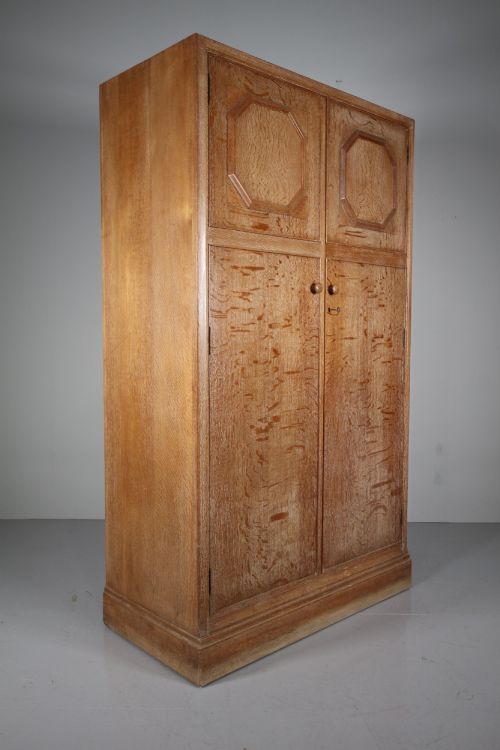
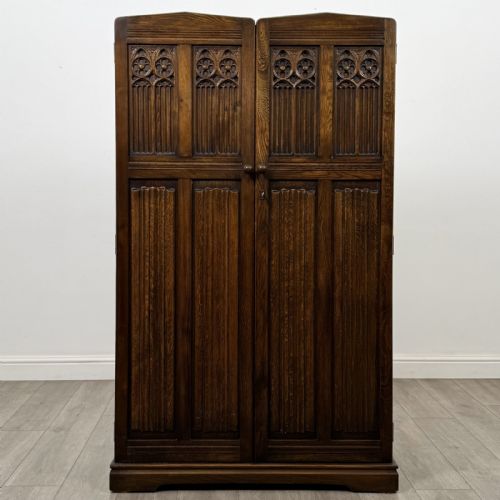
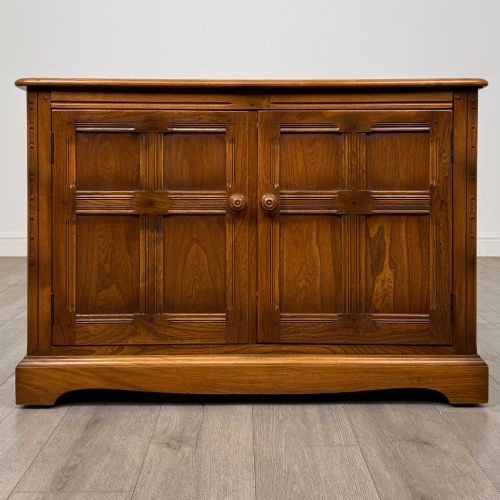
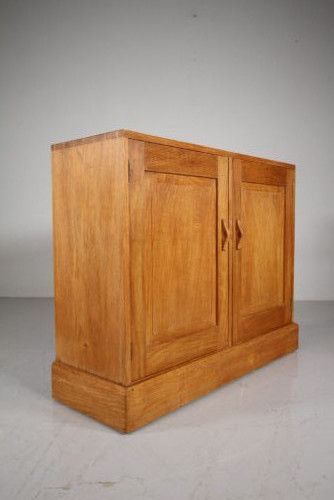
An arts crafts two door cabinet brings honest timber and sturdy utility into a room, offering both character and storage for the modern home.
Arts Crafts Two Door Cabinet
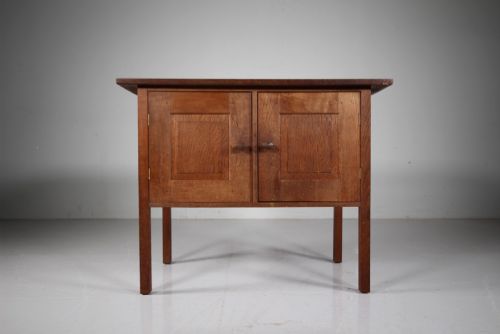
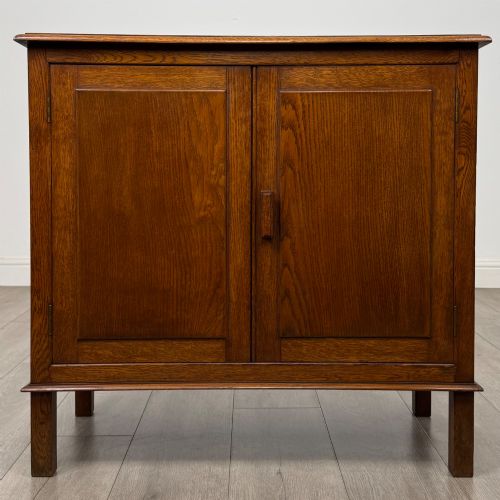
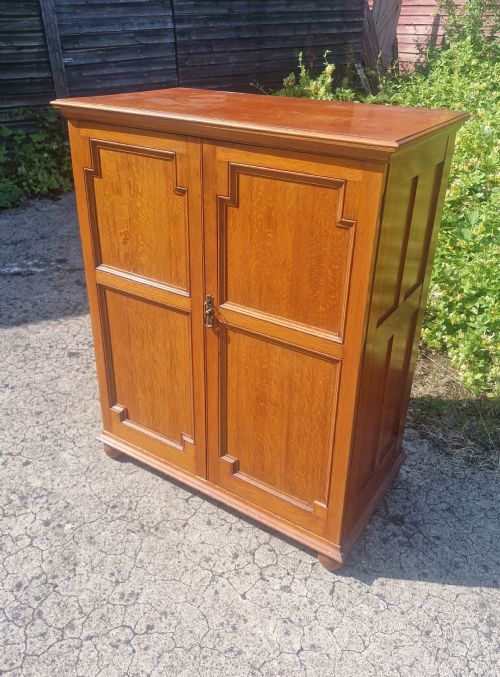
When you search for arts crafts two door cabinet, you encounter sturdy storage furniture built during the Edwardian period and the early decades of the twentieth century. These pieces emerge in styles ranging from straightforward vernacular designs to Cotswold School interpretations and Jacobean Revival influences.
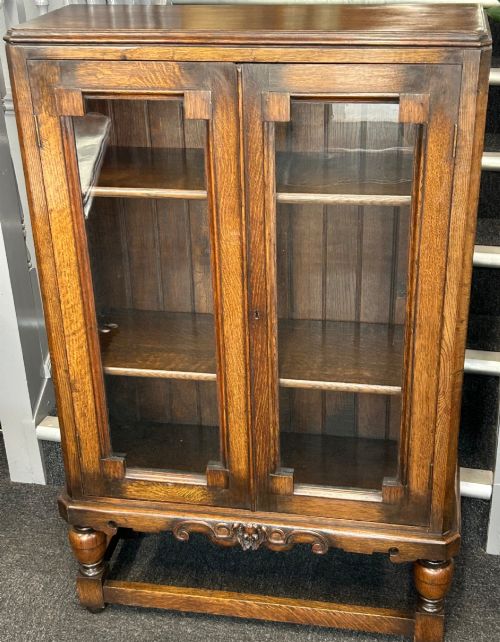
The most common examples you meet on this page are low cupboards and sideboards rendered in solid oak or golden oak. Makers also constructed tall bookcase combinations and display cabinets, utilising mahogany and walnut alongside the predominant oak.
Originating primarily from English workshops, these items serve as practical repositories for books, porcelain or household linen. Their twin doors typically open to reveal shelved interiors designed for everyday utility.
How they were made
Cabinet makers relied heavily on solid oak, English oak and golden oak, selecting timber for its visible grain and durability. Walnut and mahogany appear in specific examples, demonstrating a variety of heavy structural woods.
Construction involved straightforward joinery that prioritized structural integrity and honest materials over concealed fixings. Brass handles and leaded glass panes frequently complement the wooden frames, adding functional detail to the doors.
Arts Crafts Two Door Cabinet Retail Price Guide 2026
Typical asking prices for arts crafts two door cabinet among the pieces listed under this phrase on Sellingantiques today, from the lower quarter to the upper quarter. They describe what is for sale here now, not the wider market.
Childs wardrobes occasionally turn up alongside heavy sideboards, proving that miniature furniture received the same careful joinery as adult pieces.
What varies in quality
The distinction between standard utility items and finer examples rests upon the selection of timber and the integration of workshop provenance. Pieces bearing maker stamps or originating from specific regional schools demonstrate higher design ambition.
Hardware choice and glazing techniques also separate ordinary production from superior craftsmanship. Heavy brass fittings and leaded glass indicate greater attention to detail than basic commercial alternatives.
Peter Waals·Whytock and Reid
The Arts Crafts Two Door Cabinet Glossary
- Cotswold School
- A regional design movement associated with handcrafted furniture and traditional woodworking techniques. Practitioners in this circle emphasised honest construction and exposed joints.
- Golden oak
- A specific light-toned oak finish popular in early twentieth century domestic furniture. This appearance highlights the natural medullary rays in the timber.
- Jacobean Revival
- A nineteenth and twentieth century style mimicking seventeenth century architectural and furniture motifs. Cabinets in this mode often feature geometric mouldings and heavy turned supports.
- Folio cabinet
- A specialised storage unit intended for holding large flat papers, prints or drawings. These pieces typically contain shallow internal shelving or sliding trays.
Arts Crafts Two Door Cabinet: Frequently Asked Questions
Where should I place a two door cabinet?
These cabinets suit dining rooms, hallways or sitting rooms where extra surface space and concealed storage prove useful. Their shallow depth allows them to sit comfortably against walls without dominating a smaller interior.
Position them away from direct heat sources and strong sunlight to protect the aged timber surfaces and maintain the original polish of the wood.
How do I care for solid oak furniture?
Dust the exterior regularly with a dry cloth and apply a quality beeswax periodically to nourish the dry timber. Avoid liquid polishes that contain silicones or harsh chemical solvents.
Keep the humidity in the room stable to prevent the solid oak panels and doors from warping or splitting over time.
Can I store heavy books inside?
Most solid oak cupboards possess sturdy internal shelving capable of supporting substantial loads of books or ceramics. Check the thickness of the internal boards before loading heavy volumes onto a single shelf.
Distribute weight evenly across the interior to avoid sagging over extended periods of use.
How do I identify the period of a cabinet?
Examine the timber selection, hardware style and construction methods used on the interior carcass and drawer linings. Edwardian and early twentieth century pieces often display distinct brass drop handles and straightforward panel construction.
Consult any stamps or labels found inside the doors or on the backboards to confirm the workshop origin.