



Arts Crafts Tea Stand
These arts crafts tea stand pieces offer practical utility alongside honest construction, making them a cornerstone of period interior design.
Arts Crafts Tea Stand
An arts crafts tea stand bridges the gap between functional furniture and decorative art, serving as a designated station for the afternoon ritual of tea. When you search for arts crafts tea stand, you encounter a variety of forms designed to hold kettles, teapots, and cups within domestic spaces.
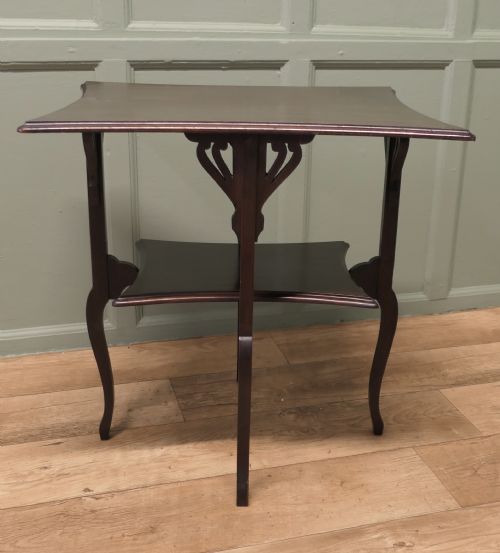
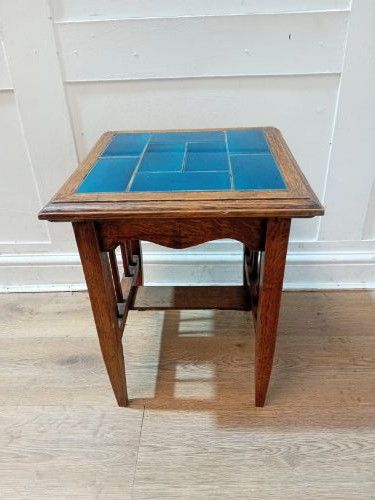
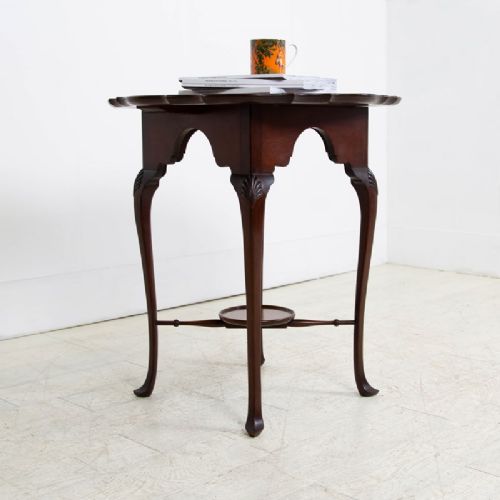
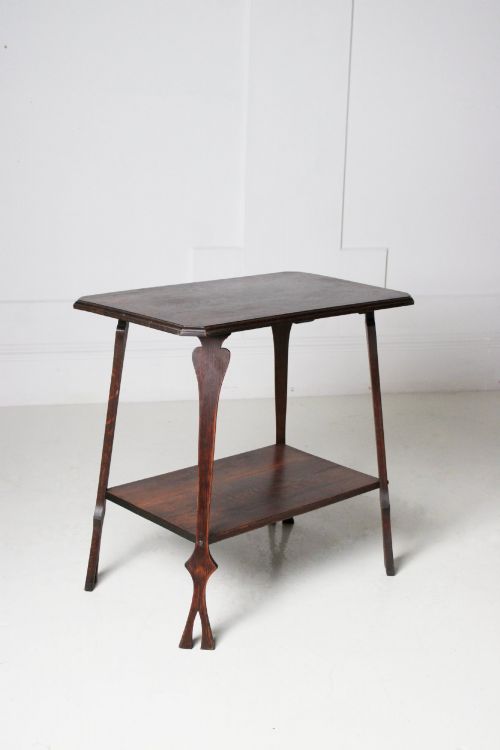
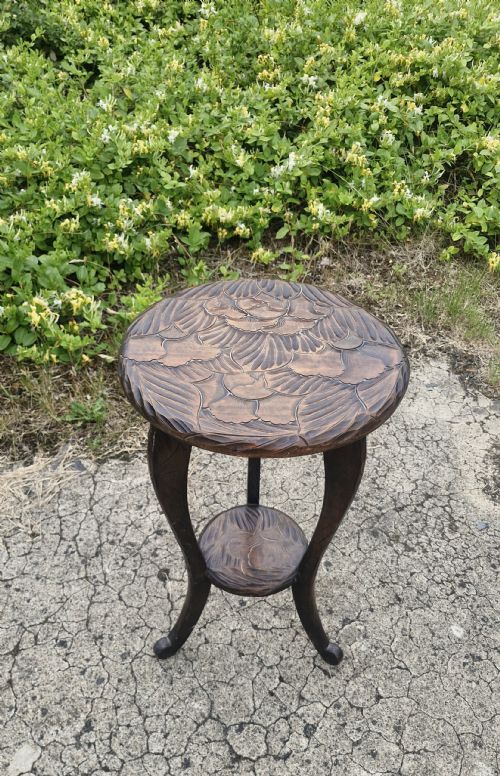
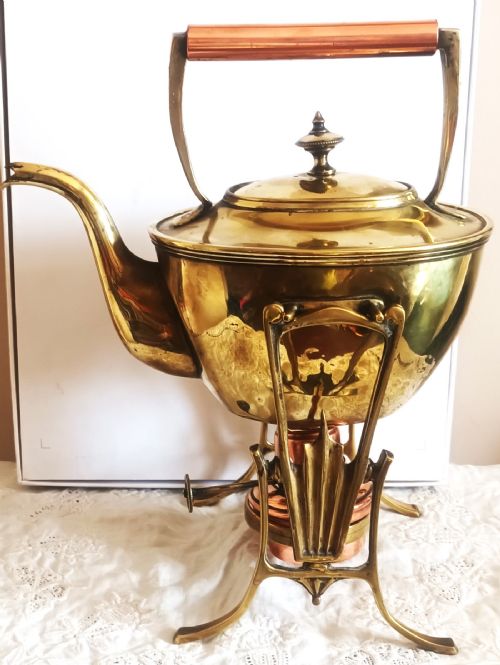
The pieces appearing on this page span several decades and stylistic interpretations, ranging from austere oak side tables to elaborate brass and copper spirit kettles. Occasional tables and side tables dominate the selection, often incorporating tiers or ceramic tiles into their structural design.
Origins stretch across the Victorian, Edwardian, and early twentieth-century periods, capturing the shift from industrial excess to handcrafted integrity. Oak remains the primary wood of choice, frequently accompanied by metalwork in copper and brass or decorative tile inserts.
Materials and construction methods
Makers utilised solid timbers such as oak, mahogany, and walnut, selecting them for their natural grain patterns and structural durability. Joinery relies on traditional methods like mortise and tenon joints, which celebrate the construction rather than concealing it beneath veneer.
Metal elements, particularly in spirit kettles and hanging kettles, involve beaten copper and cast brass, often showcasing hand-hammered surfaces left visible to record the maker's labour. Ceramic tiles and inlaid wood provide contrasting colour and texture to the timber frames.
Arts Crafts Tea Stand Retail Price Guide 2026
Typical asking prices for arts crafts tea stand among the pieces listed under this phrase on Sellingantiques today, from the lower quarter to the upper quarter. They describe what is for sale here now, not the wider market.
Listings feature oak as the dominant wood, accompanied by copper and brass metalwork across the Victorian and Edwardian periods.
Markers of distinction and craftsmanship
The distinction between standard production and exceptional work lies in the depth of hand-carving and the precision of the joinery. Superior examples demonstrate thoughtful integration of materials, such as harmonious tile glazes set flush into solid oak frameworks rather than applied as afterthoughts.
Documented workshop production and traceable maker attribution elevate a piece beyond domestic utilitarian furniture. The handling of metalwork, from the riveting of a copper kettle to the finishing of a brass stand, separates routine manufacturing from the ambitions of the movement.
William Soutter And Sons·Shapland And Petter·Liberty And Co·Morris And Co·R E Stone
The Arts Crafts Tea Stand Glossary
- Spirit kettle
- A water vessel suspended above a small burner fueled by methylated spirit, used for heating water at the tea table.
- Tile top
- A tabletop inset with glazed ceramic panels, protecting the wood from heat and moisture while adding decorative colour.
- Occasional table
- A small, movable table designed for a specific, intermittent function such as holding tea apparatus or books.
- Hexagonal table
- A table featuring a six-sided top, typical of regional interpretations such as the Glasgow School.
- Spirit burner
- The small fuel container housed beneath a kettle to maintain water temperature during tea service.
Arts Crafts Tea Stand: Frequently Asked Questions
How do I use an arts crafts tea stand today?
These pieces function well as side tables for serving drinks or displaying plants in a living room. Their original purpose as stands for spirit kettles translates easily into modern hospitality.
Position them beside seating areas where their lower shelves or tile tops can hold books or small decorative objects safely.
What woods were commonly used for these stands?
Oak is the predominant timber found in these designs, prized for its strength and alignment with the honesty of the movement. Mahogany and walnut appear in pieces influenced by Edwardian and Victorian tastes.
Makers preferred timber that displayed natural grain and character, often leaving the wood with a natural wax finish rather than a heavy gloss.
How do I distinguish between Victorian and Edwardian examples?
Victorian pieces tend to feature heavier proportions and darker finishes, reflecting the earlier, more robust phase of the style. Edwardian examples often appear lighter in scale, incorporating delicate inlay or brighter metal accents.
Examining the construction methods and associated hardware helps clarify the decade of production.
Are spirit kettles detachable from their stands?
Many spirit kettles hang from swing arms or rest within dedicated brass and copper rings, allowing them to be lifted off the base. Hanging kettles typically tilt on pivots to pour water directly into a teapot without removal.
This mechanical versatility was a key feature of portable tea service equipment.