
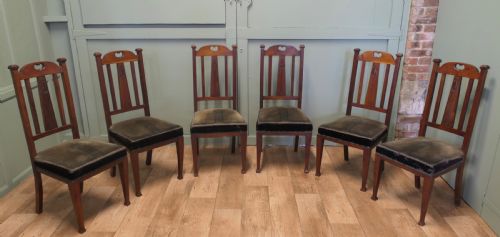


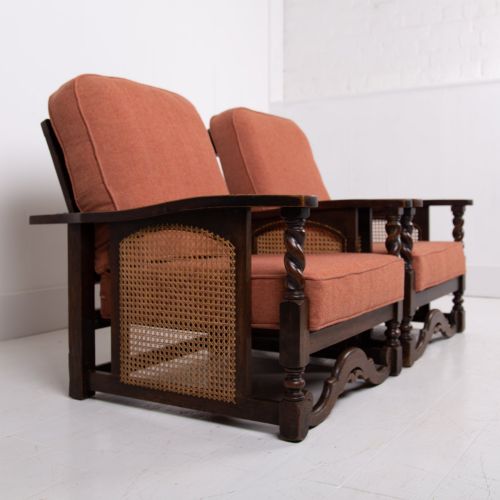
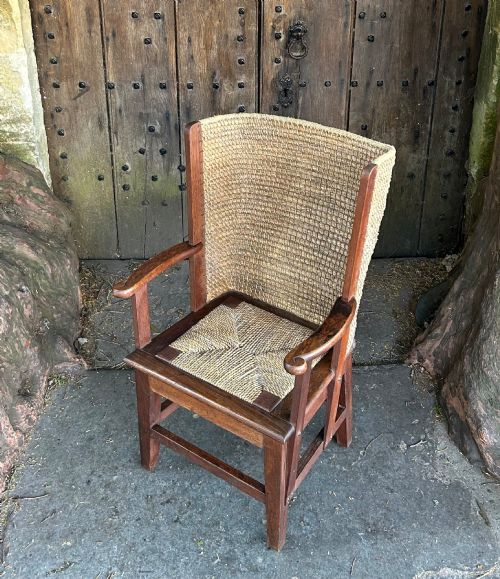
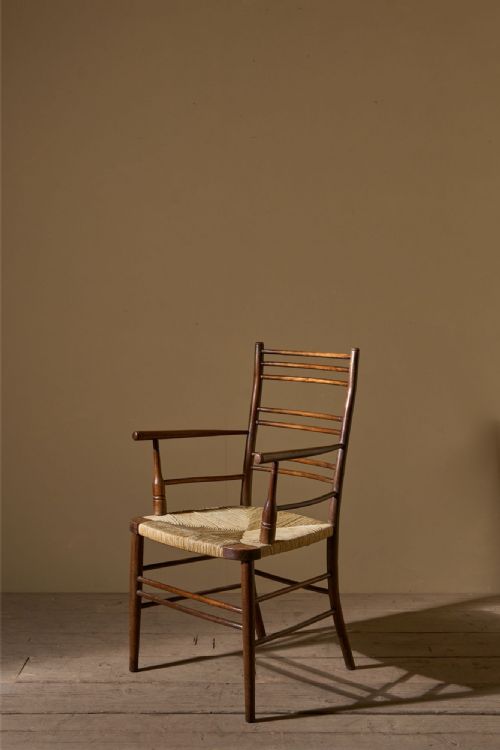
Arts Crafts Oak Seating
These arts crafts oak seating pieces combine honest construction with utility, offering sturdy seating built to endure.
Arts Crafts Oak Seating
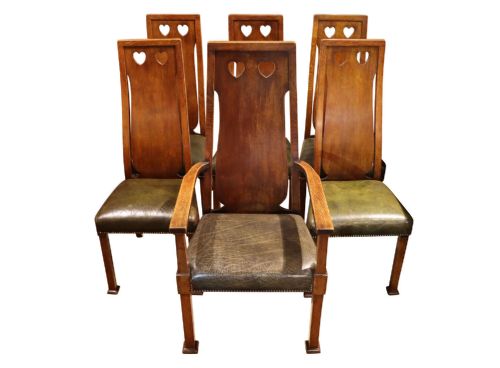
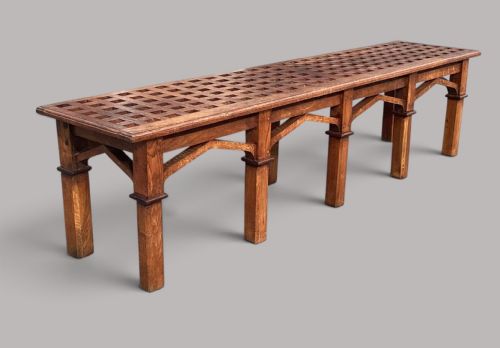
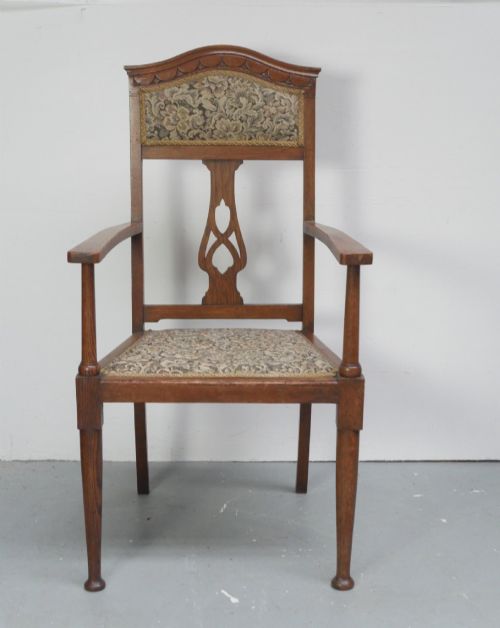
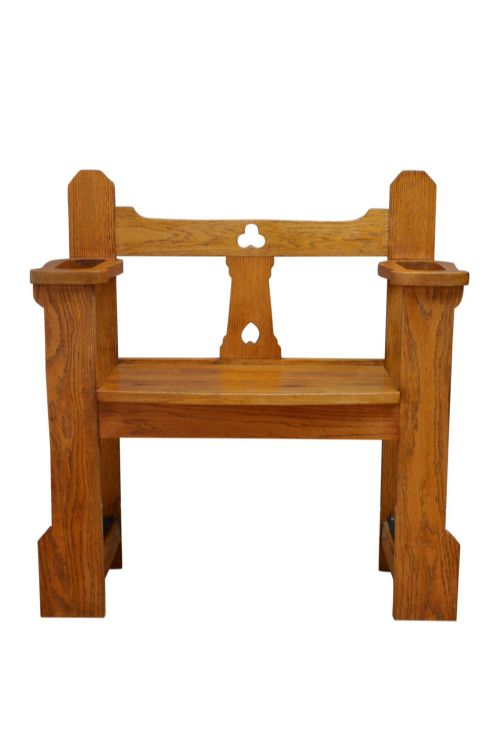
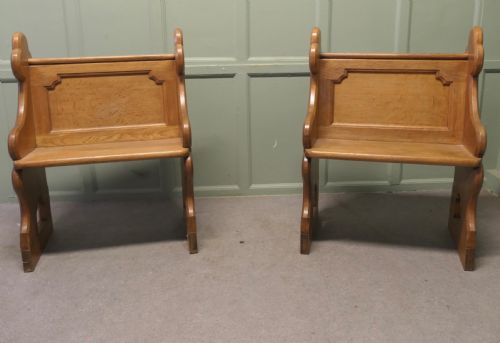
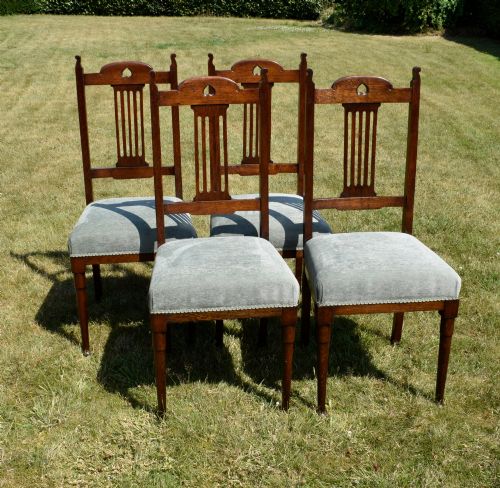
When searching for arts crafts oak seating, buyers encounter solid wooden chairs, benches, and settles originating from the late nineteenth century through to the 1930s. The selection includes dining chairs, armchairs, and hall seats that display functional design rooted in the movement.
Armchairs, side chairs, and reclining models frequently appear alongside sturdy settles and window seats. These pieces often exhibit stylistic influences from Gothic Revival, Scottish School, and English Country traditions.
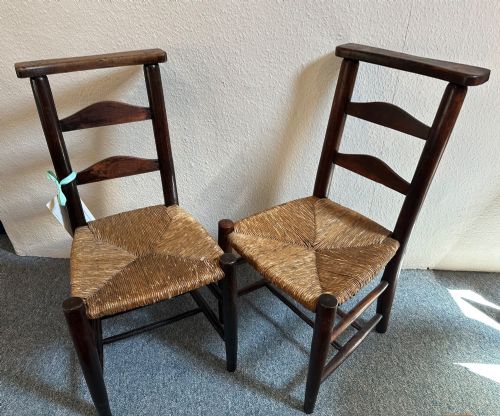
Construction relies heavily on oak frames, sometimes paired with rush, leather, or fabric seats. Pieces date from the 1880s onward, capturing a period of domestic craftsmanship focused on practical form.
What Varies in Quality
The degree of hand craftsmanship distinguishes standard production from workshop pieces associated with known retailers or designers. Selection of timber figure, particularly golden oak, influences the visual presence of the frame.
The integrity of original joinery and the survival of authentic rush or leather seating surfaces determine the retention of character. Alterations to upholstery or structural reinforcement impact the historic state of the piece.
Apprentice pieces allowed young woodworkers to demonstrate their skill on miniature window seats before tackling full-sized furniture.
Morris and Co·Liberty and Co·Gillows·Shapland and Petter·Wylie Lockhead·Jack Grimble
The Arts Crafts Oak Seating Glossary
- Settle
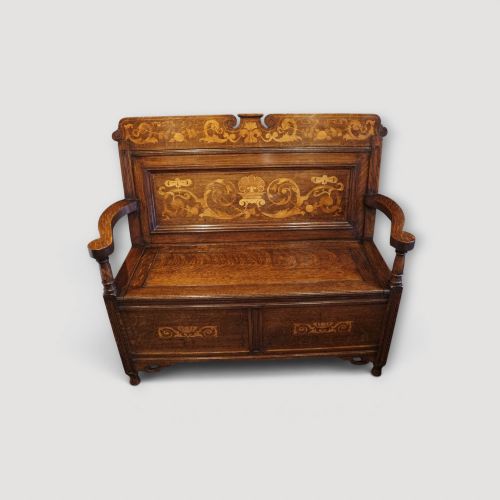
- A wooden bench with a high back, solid arms, and often a storage compartment beneath the seat. These served to block draughts in hallways and living rooms.
- Rush
- Dried marsh grass twisted into cords and hand-woven to form flexible seating panels. It provides a durable, traditional surface for chairs and stools.
- Trefoil
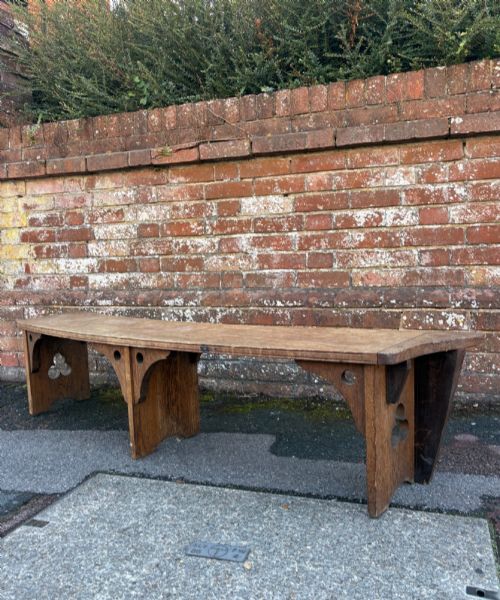
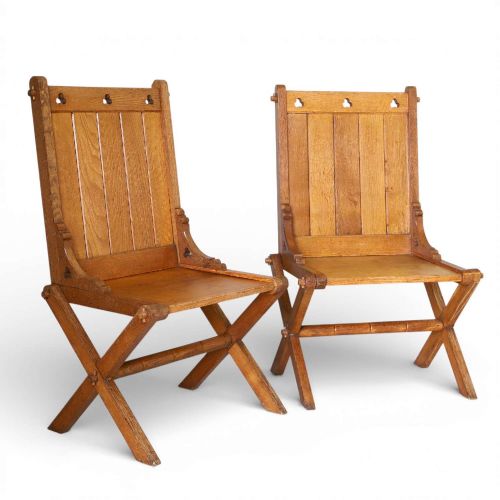
- A three-lobed decorative ornament resembling a clover leaf. It frequently appears pierced through wooden splats or carved into bench supports.
- Glastonbury chair
- A wooden armchair with an X-framed base and sloping arms, based on medieval church designs. Versions from the period often feature Gothic revival detailing.
- Tabard Inn chair
- A high-backed dining chair design associated with early Morris productions. It utilises upright posts and simple framed backs.
Arts Crafts Oak Seating: Frequently Asked Questions
How do I identify a genuine piece?
Examine the construction methods for exposed tenons, pegged joints, and solid timber frames rather than veneered surfaces. Maker marks or retailer stamps occasionally verify origin.
Style characteristics such as plain geometry or Gothic trefoil carvings point toward the movement's output across the late nineteenth and early twentieth centuries.
Were rush seats common?
Rush seating frequently appears on chairs and low armchairs produced during this period. The natural material offered a durable, tactile surface that complemented plain oak frames.
Original rush shows distinct wear patterns and tighter twisting than modern replacement cordage.
How do I care for oak furniture?
Maintain the timber by keeping pieces away from direct heat sources and sudden humidity changes. Regular dusting with a dry cloth preserves the finish without building up residues.
Treat leather or rush surfaces according to their specific material needs, avoiding harsh cleaning agents.
What rooms suit these benches?
Hall seats and settles function well in entranceways or corridors, providing sturdy seating and occasional storage. Dining chairs integrate into kitchen or dining spaces alongside large tables.
Reclining armchairs and low fireside seats suit living rooms and libraries where comfort and movement matter.