
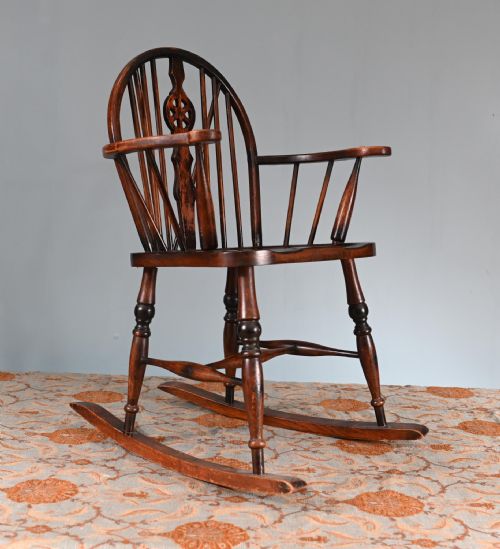


1930s Oak Armchair
A 1930s oak armchair brings solid interwar character and sturdy timber construction into a modern room with effortless presence.
1930s Oak Armchair
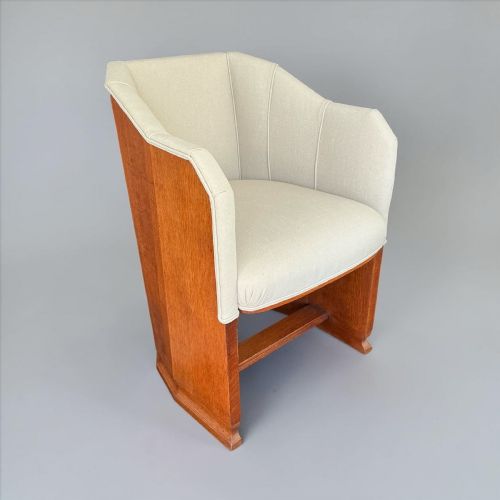
A 1930s oak armchair spans several distinct design movements from the interwar period, including Art Deco, Arts and Crafts, and traditional English country styles. Buyers seeking this phrase encounter solid timber frames paired with various seating inserts.
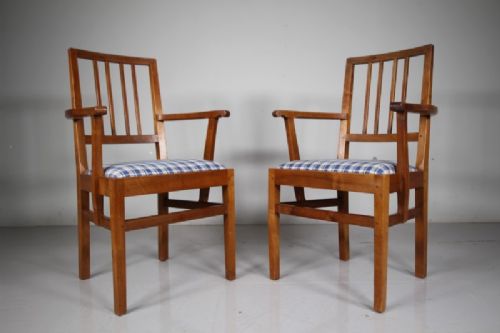
The selection ranges from low lounge chairs and tub armchairs to rocking chairs and occasional seating. Dining sets and garden room pieces also appear, demonstrating the versatility of oak during this decade.
Makers and workshops of the period produced both streamlined modernist seating and heavier vernacular furniture. Most examples date strictly to the nineteen-thirties, reflecting the domestic output of British studios and continental influences.
How they were made
Makers utilised solid oak for the primary structural frames, often selecting heavy timber for dining and rocking chairs. Joinery techniques relied on traditional mortise and tenon construction to ensure lasting rigidity.
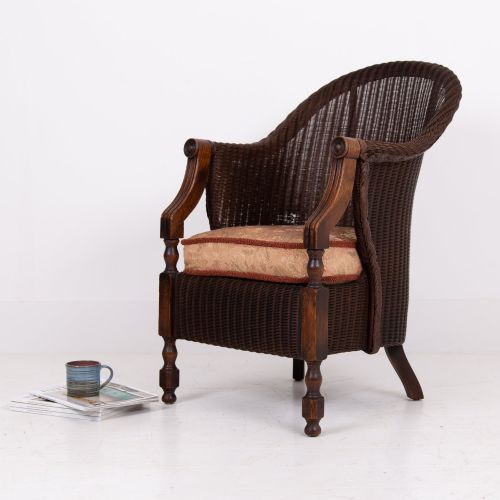
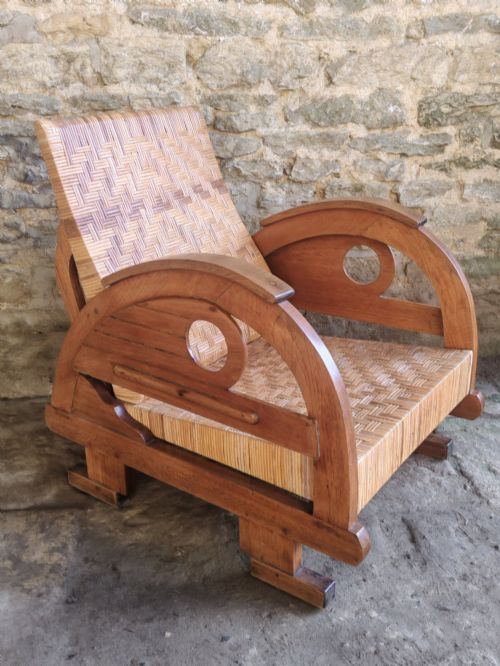
Seating areas incorporate a variety of woven and upholstered materials supported by the wooden framework. Rush, rattan, cane, and Lloyd Loom weave provide lighter textures, while fabric and leather offer padded comfort.
The furniture spans Arts and Crafts, Art Deco, and English Country styles from the interwar period.
What varies in quality
The distinction between standard commercial output and superior studio work lies in the handling of the oak and the integrity of the design. Marked pieces from notable makers or workshops demonstrate finer attention to detail in the timber finishing.
The harmony between the wooden frame and the chosen seat material determines the visual success of the piece. Well-balanced proportions and purposeful lines separate everyday domestic seating from more considered interwar designs.
Edward Barnsley·Dicon Nance
The 1930s Oak Armchair Glossary
- Lloyd Loom
- A twisted kraft paper woven over a wire core, invented in the early twentieth century for durable and resilient furniture production. It often appears paired with wooden frames in garden rooms and sun lounges.
- Tub armchair
- A comfortable chair featuring a rounded, enclosed back and arms that form a continuous curved rail. This shape offers a supportive sit while maintaining a compact footprint.
- Rush
- Dried marsh grass twisted into cords and hand-woven to create traditional seat pads. It provides a natural texture that complements solid timber frames.
- Windsor rocking chair
- A traditional wooden chair built with turned spindles inserted into a solid sculpted seat, mounted on curved rocking feet. This vernacular form continued to be produced through the interwar period.
- Bridge chair
- A compact upholstered armchair originally designed for card games and domestic living spaces. These pieces typically feature exposed wooden framing and smaller proportions.
1930s Oak Armchair: Frequently Asked Questions
What styles define a 1930s oak armchair?
These chairs reflect a transition between traditional craftsmanship and early modernist ideals. Art Deco geometry and Arts and Crafts principles heavily influence the shaping of the timber.
Simultaneously, vernacular English country forms such as wheelback and Windsor rockers remained popular in domestic settings throughout the decade.
How do I identify a studio-made chair?
Studio pieces often bear maker stamps, dates, or signatures directly into the timber frame. Workshops associated with the Arts and Crafts movement prioritized visible joinery and distinctive proportions.
Constructive details and documented provenance separate individual maker output from mass-produced factory furniture.
Are these chairs suitable for daily use?
Solid oak frames provide exceptional structural stability, making them robust enough for regular sitting. Many examples feature newly updated upholstery that meets modern comfort standards.
Care should be taken with woven elements like cane and rush, which benefit from gentle treatment and stable indoor humidity.
What materials are paired with the oak?
Makers combined solid oak with natural woven fibres such as cane, rush, and rattan to create lighter seating surfaces. Lloyd Loom weave also appears, offering a smooth painted or natural finish.
Padded versions rely on traditional fabric or leather upholstery over sprung or webbed bases.