
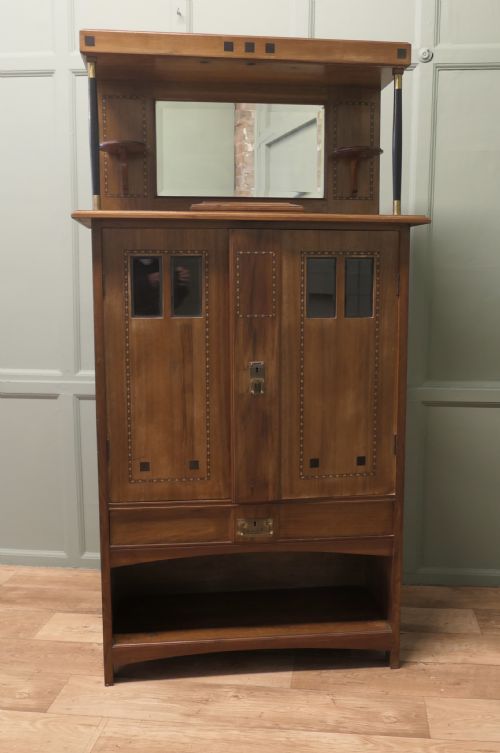

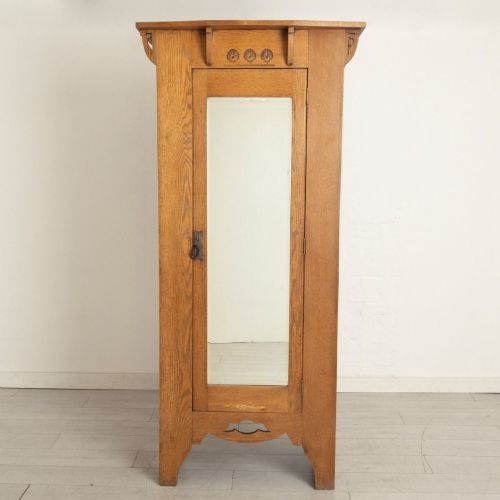
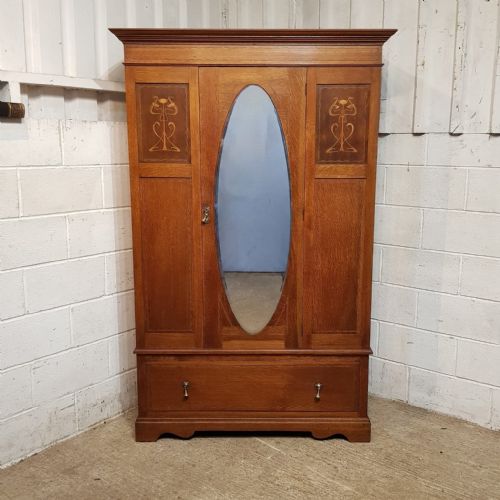
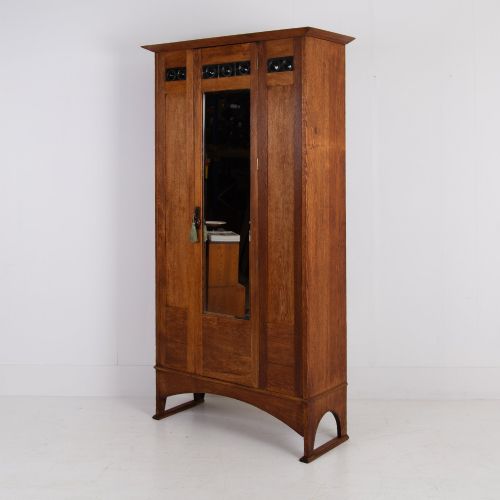
Arts Crafts Oak Mirror
When you search for an arts crafts oak mirror, you enter a world of honest timber, hand-beaten metal, and functional domestic design.
Arts Crafts Oak Mirror
An arts crafts oak mirror represents a period when domestic objects celebrated straightforward construction and natural materials over fussy industrial decoration. Buyers looking for an arts crafts oak mirror usually find wall-hanging frames, overmantels, or dressing mirrors produced around the turn of the twentieth century.
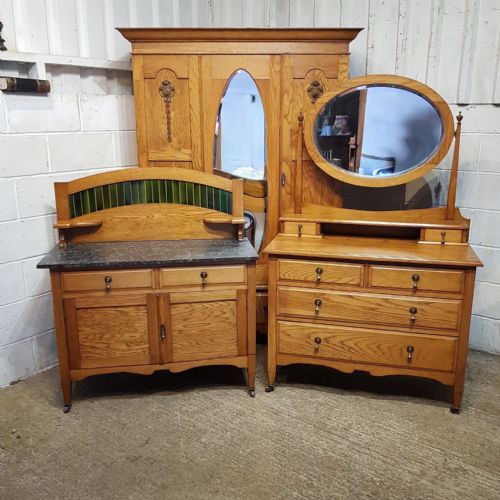
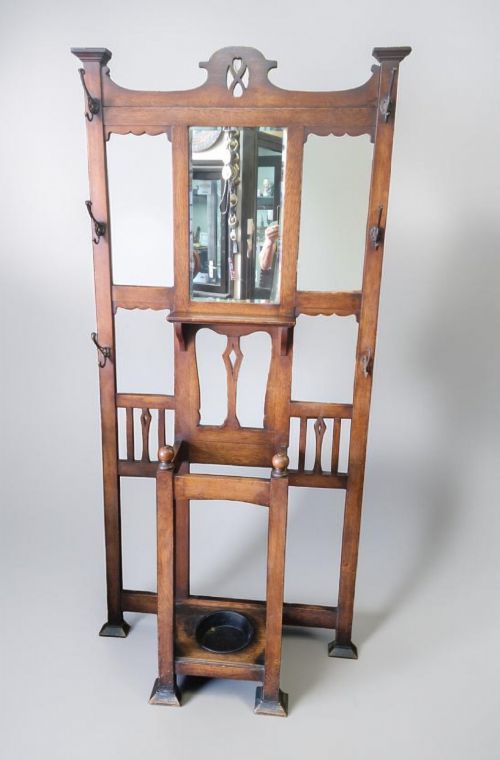
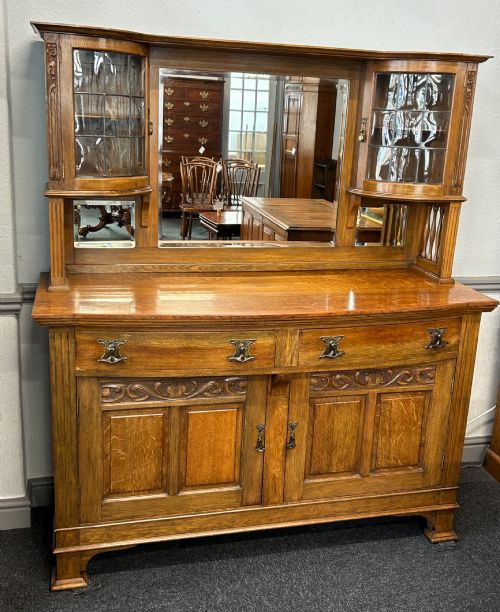
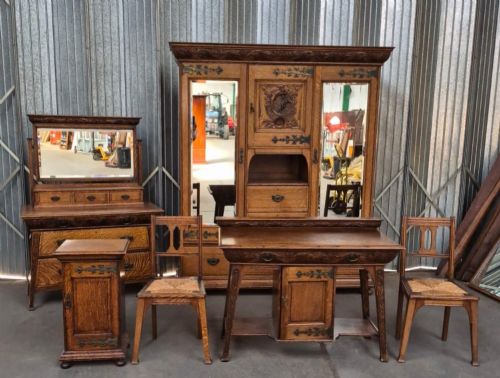
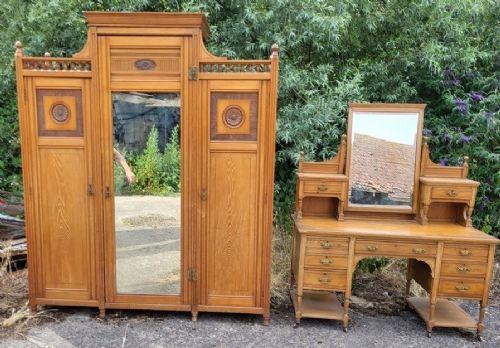
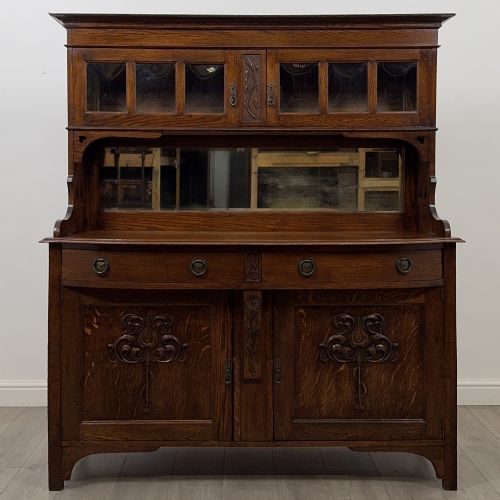
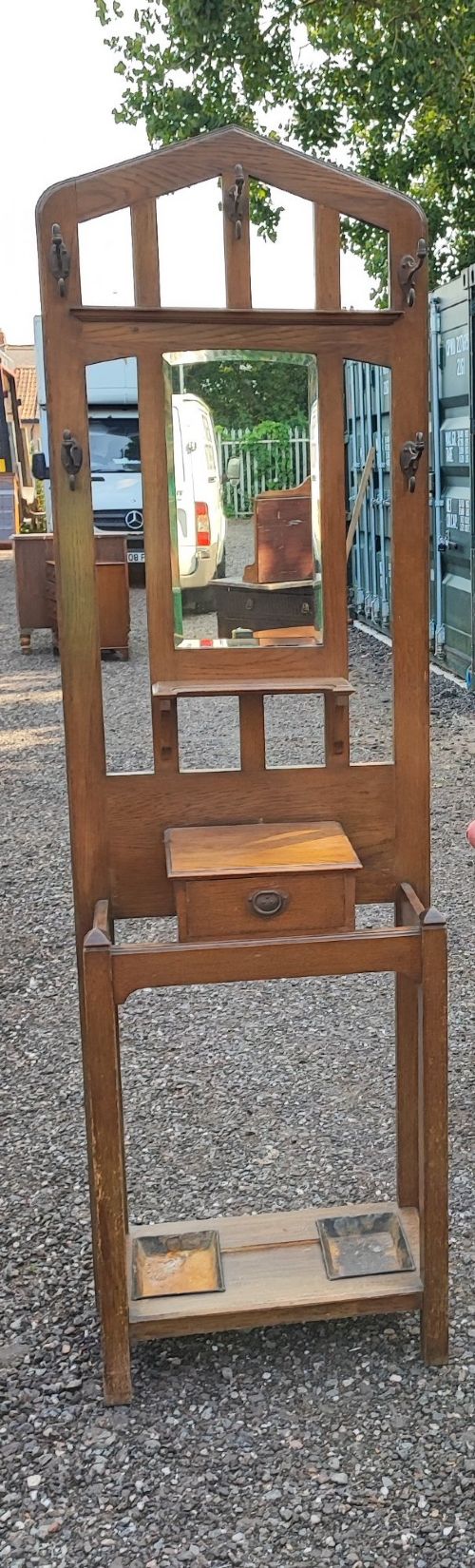
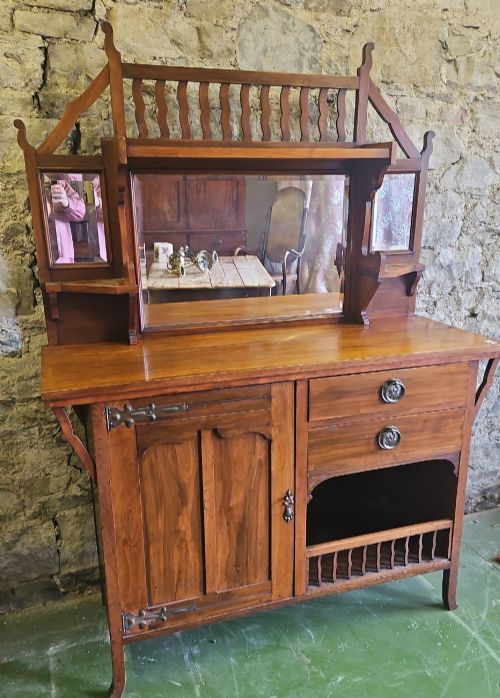
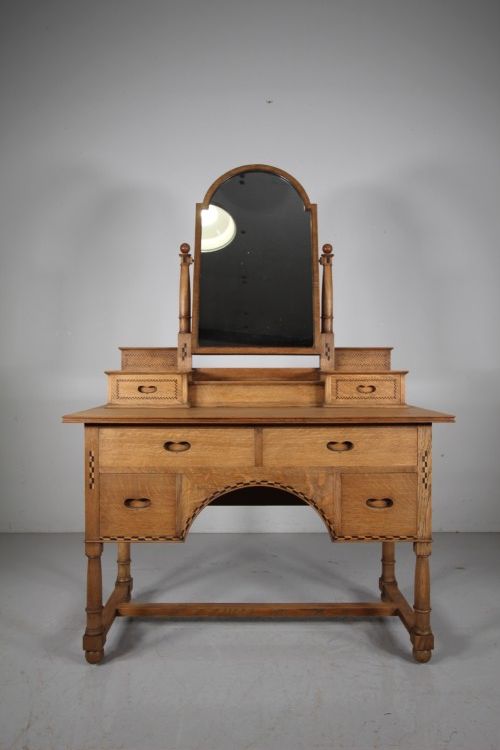
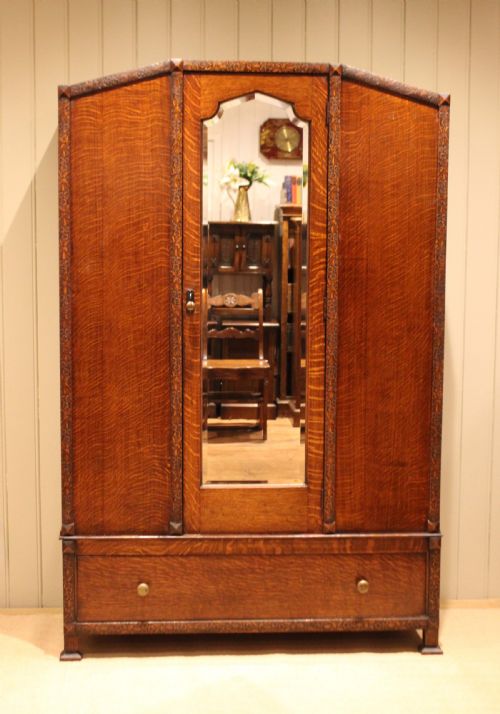
The surviving examples range from simple wall mirrors to larger frames integrated into hall stands, sideboards, and wardrobes. Many feature subtle bevelled glass and exposed joinery that mark them out from standard mass-produced Victorian furnishings.
The majority of pieces encountered here date from the Edwardian era and the decades spanning 1890 to 1930. Makers often incorporated ledges, small drawers, or candle boxes directly into the oak framework of the mirror.
Materials and Technique
Craftsmen relied heavily on solid oak, sometimes quarter-sawn to display distinct medullary rays across the timber face. This heavy wood provided a sturdy foundation capable of supporting heavy bevelled glass plates.
Metalwork played a defining role in the aesthetic, utilising copper, brass, and iron for strap hinges, corner brackets, and repoussé panels. Artisans hammered these metal elements by hand, leaving visible tool marks that contrasted with the smooth grain of the oak.
Some hall mirrors included tiny built-in compartments specifically designed to hold visiting cards and matches.
Judging Quality
Quality rests upon the harmony between the timber selection and the metal embellishments. Superior pieces display thoughtful proportions, genuine hand-beaten repoussé work, and original mirror glass rather than generic replacements.
Signatures, maker labels, or attribution to notable workshops elevate a piece significantly. Workshop provenance from recognised entities like Heals, Shapland and Petter, or Liberty marks out the finest examples of the craft.
Shapland and Petter·Heals of London·Maple and Co·Liberty and Co·Wright and Hunter of Belfast
The Arts Crafts Oak Mirror Glossary
- Repoussé
- Metalworking technique where the design is hammered into relief from the reverse side. This method allowed craftsmen to create textured floral and abstract patterns on copper frame accents.
- Quarter-sawn
- Method of milling logs radially to produce timber with striking grain patterns. This cut revealed characteristic flecks and streaks across the oak surface.
- Cheval mirror
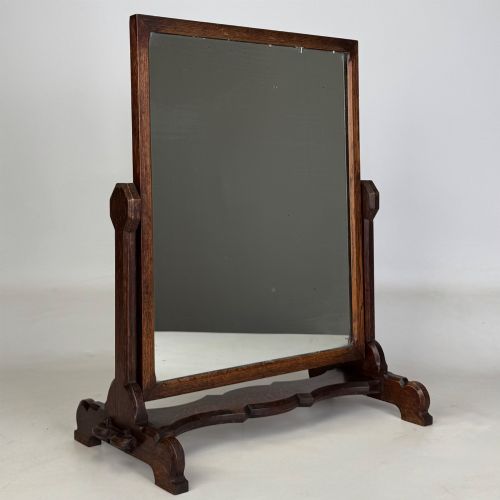
- Freestanding full-length mirror mounted on a pivoting frame between two upright posts. These items often incorporated storage surfaces at the base.
- Overmantel mirror
- Large mirror designed to sit directly above a fireplace mantelpiece. They frequently featured integrated wooden shelves and decorative metal panels.
- Limed oak
- Wood treatment involving a white pigment rubbed into the grain to lighten the tone. This finish highlighted the natural texture of the timber.
Arts Crafts Oak Mirror: Frequently Asked Questions
How do I date an arts and crafts mirror?
Dating relies on examining construction techniques, hardware, and stylistic hints like Art Nouveau curves or strict rectilinear forms. Records show these pieces clustering heavily around the Edwardian period and the decades spanning 1890 to 1930.
Makers' marks, paper labels, or stamps on the timber backing can also provide precise attribution. Comparing the joinery methods against known workshop styles helps narrow down the decade of production.
Were these mirrors meant to hang or stand?
Both formats exist within the tradition, serving different domestic spaces such as hallways, bedrooms, and reception rooms. Wall-hung versions often included small ledges or hooks for everyday items.
Freestanding cheval mirrors and dressing chest attachments offered full-length reflections for bedrooms. Many incorporated copper trays or candle boxes directly beneath the glass.
How should I care for the oak frame?
Maintaining the wood requires simple dusting with a soft cloth and occasional applications of traditional beeswax to nourish the dry timber. Avoid modern silicone polishes that can build up and dull the antique finish.
Keep the frame away from direct heat sources and extreme humidity shifts to prevent the oak from splitting. The original metal elements need only gentle cleaning without abrasive compounds.