
Arts Crafts Oak Carving
Arts crafts oak carving brings together solid timber and hand-chiselled detail, offering sturdy utility paired with distinct period character for everyday rooms.
Arts Crafts Oak Carving
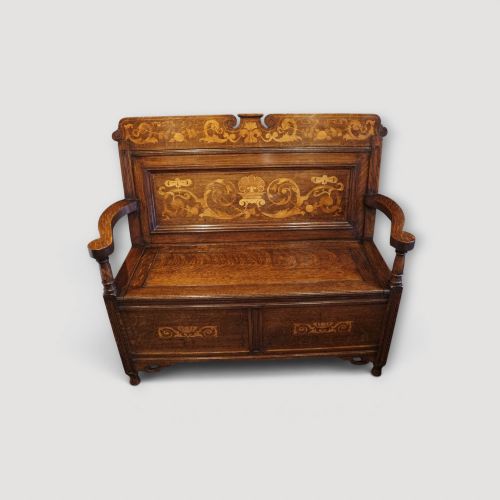
When you search for arts crafts oak carving, you find furniture and household objects shaped across the nineteenth and twentieth centuries, spanning Edwardian items and earlier nineteenth century examples.
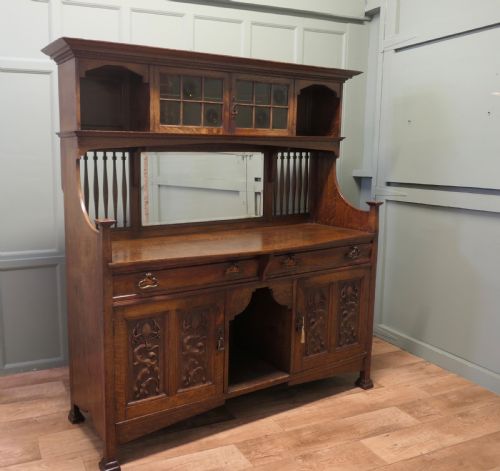
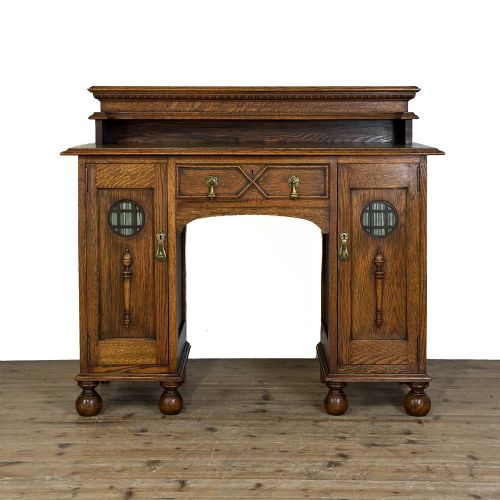
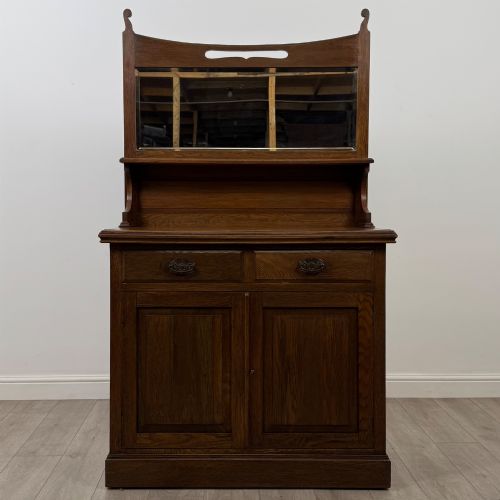
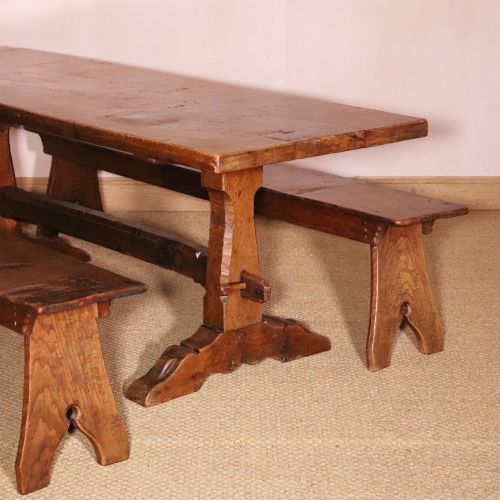
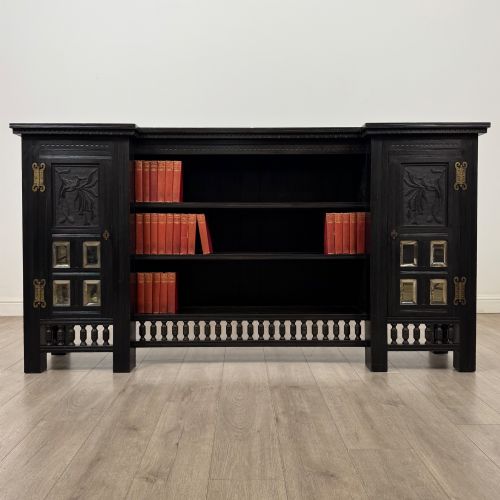
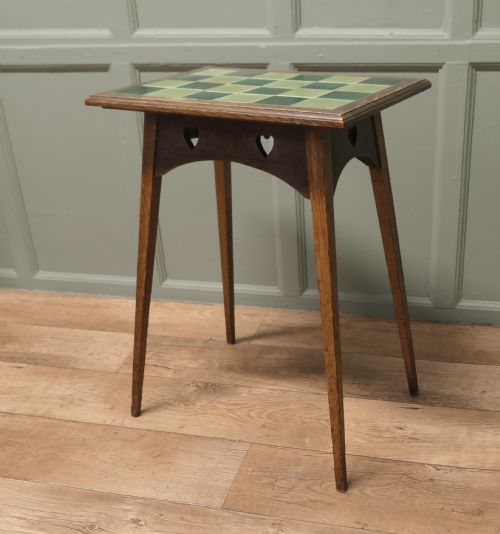
The most common forms you meet include dining chairs, sideboards, bookcases, and occasional tables, often carrying stylistic traits from the Arts and Crafts, Gothic Revival, and Jacobean Revival movements.
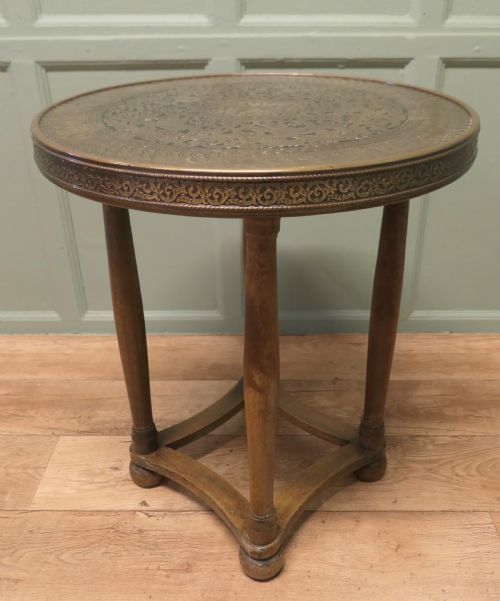
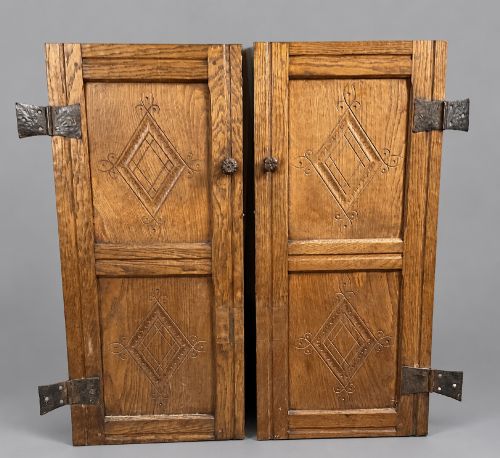
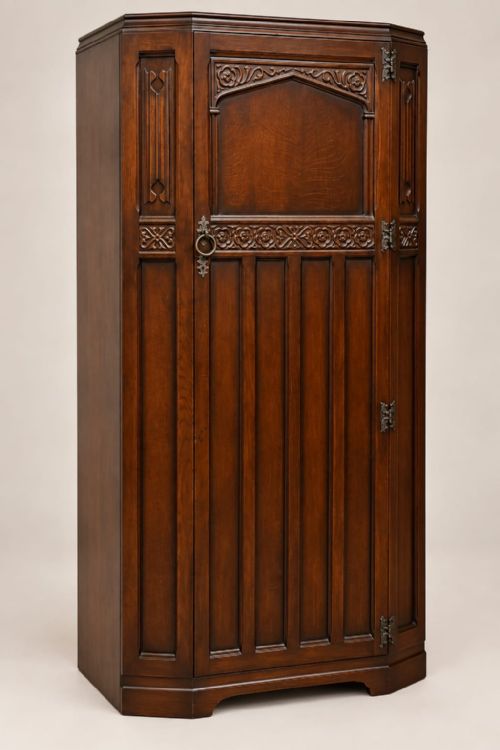
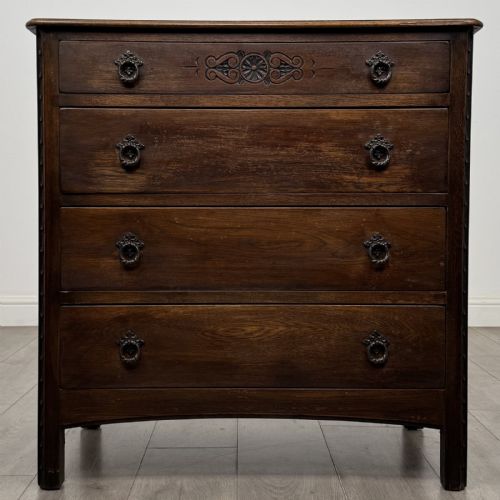
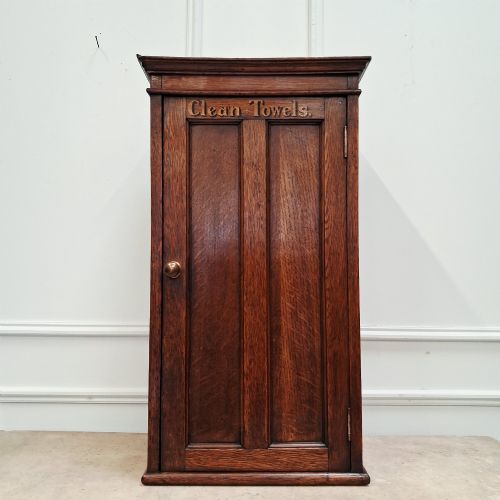
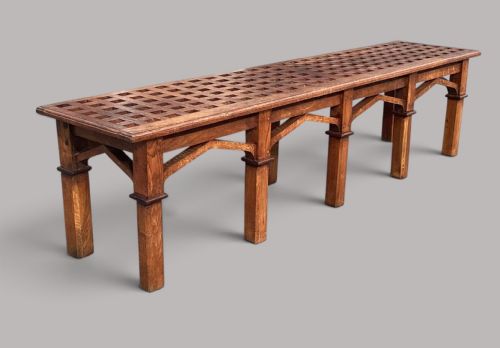
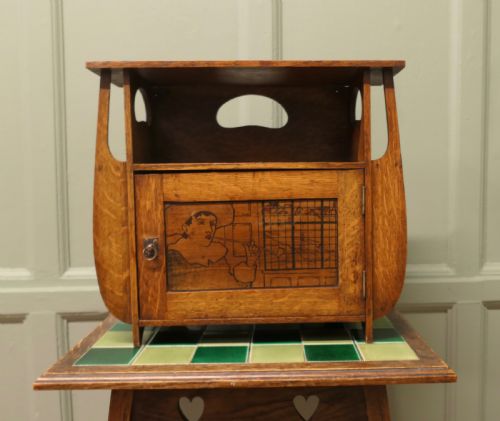
Pieces range from large wardrobes and bureaus down to smaller items like wall cabinets, fruit bowls, and plant stands, showing how makers applied carved decoration to both grand furniture and modest domestic accessories.
What varies in quality
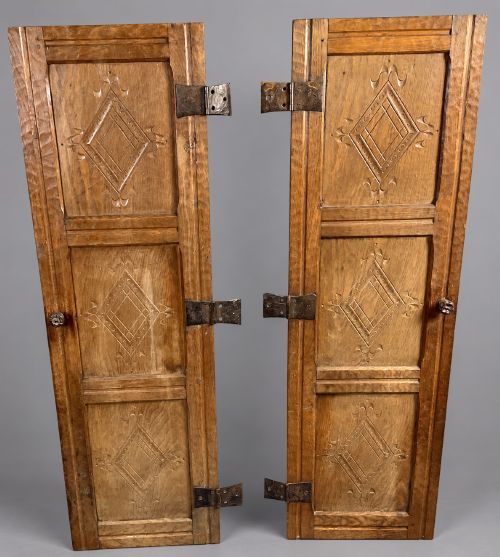
Quality rests in the crispness and depth of the timber carving, separating shallow mechanical impressions from sharp, well-defined chisel work executed by hand.
The choice of materials dictates the standard of the piece, with select golden oak timbers and robust secondary metals like copper and brass marking out superior items.
One piece includes a wool panel described as naive, proving that even serious historic furniture sometimes sports amateur home crafts.
Ambrose Heal·Arthur Simpson
The Arts Crafts Oak Carving Glossary
- Linenfold
- A style of carved wooden panelling that resembles folded fabric or cloth. It appears frequently on panels for desks, bureaus, and cupboards.
- Trefoil
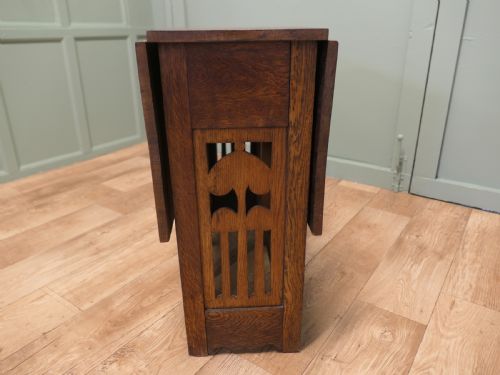
- A graphic ornament composed of three overlapping rings or leaf-shaped lobes. This motif often pierces structural supports and decorative brackets.
- Chip carving
- A technique of removing small chips from a flat wooden surface with knives or chisels to create geometric patterns. Side tables often show this method.
- Coffer
- A large wooden chest traditionally used for storage. These boxes usually feature heavy panel construction and hand-chiselled decoration.
- Book trough
- A small open wooden holder designed to keep volumes upright on a desk or table. These portable items often carry maker labels.
Arts Crafts Oak Carving: Frequently Asked Questions
What defines arts crafts oak carving?
These items combine sturdy oak timber with hand-chiselled motifs inspired by the nineteenth-century reform movements. They reject mass production in favour of visible handwork and honest structural joinery.
You encounter them across various functional household forms, from large dining sets and sideboards to smaller display cabinets and umbrella stands.
How do I date these pieces?
Dating relies on combining the recorded period evidence, such as Edwardian, nineteenth century, or nineteen-thirties markers, with the stylistic influences present. Arts and Crafts and Gothic Revival elements frequently overlap across the turn of the twentieth century.
Construction methods and timber selection also help establish the era, as golden oak and specific cabinet styles shift slightly from eighteen-eighty through nineteen-thirty.
Where were these pieces used?
Original homes utilised these solid wooden items across dining rooms, hallways, and studies for everyday storage and seating. Items like hallstands, umbrella stands, and plant stands served specific practical hallway functions.
Larger furniture such as sideboards, wardrobes, and bookcases formed the backbone of domestic organisation in period parlours and bedrooms.
How do I care for oak furniture?
Solid oak requires stable indoor humidity levels away from direct heat sources to prevent timber movement or splitting. Regular dusting with a dry cloth keeps the surface clean without stripping the finish.
Occasional applications of suitable wax help nourish the wood and preserve the depth of the hand-carved details over time.