




Arts Crafts Fruit Bowl
An arts crafts fruit bowl brings hand-wrought metalwork and rich ceramic colour straight to the table.
Arts Crafts Fruit Bowl
An arts crafts fruit bowl encompasses metalwork vessels and glazed ceramics designed with distinct regional and cooperative character. You will frequently encounter heavy hammered copper, pewter dishes with floral motifs, and glazed earthenware plates.
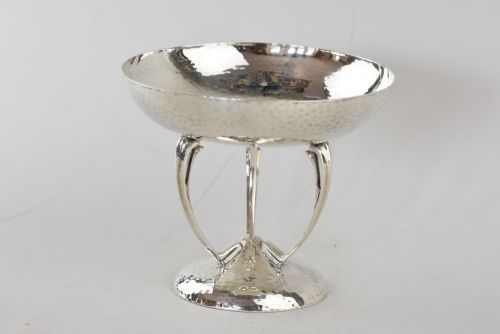
The selection ranges from tall pedestal tazzas to shallow centrepiece dishes meant for display. Makers from London workshops to rural oak carvers produced these domestic objects across several decades spanning the early to mid-twentieth century.
How they were made
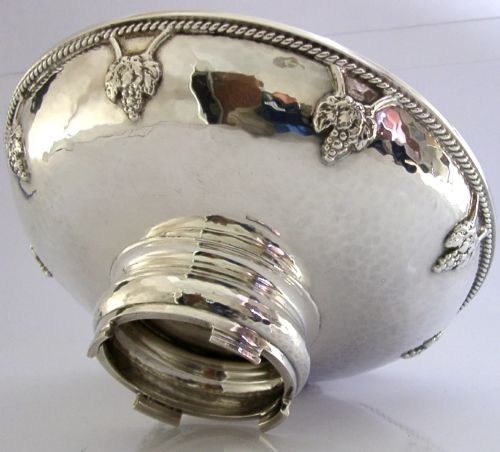
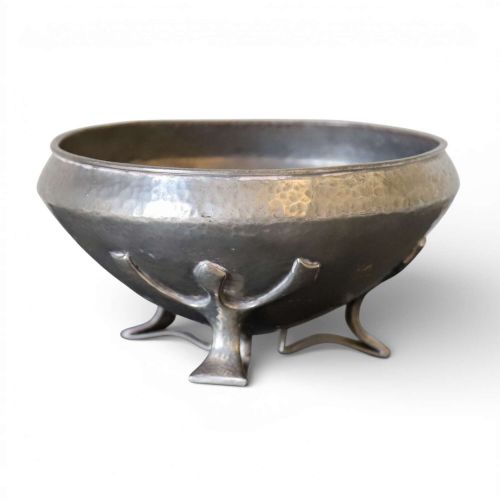
Metalsmiths shaped sterling silver, copper, and pewter by hand, leaving visible planishing marks from the hammer across the surface. Many vessels incorporate decorative cabochons of enamel or Ruskin ceramic set directly into the metal.
Potters utilised earthenware bodies finished with deep glazes, while woodworkers carved oak with naturalistic motifs such as fruiting vines.
Arts Crafts Fruit Bowl Retail Price Guide 2026
Typical asking prices for arts crafts fruit bowl among the pieces listed under this phrase on Sellingantiques today, from the lower quarter to the upper quarter. They describe what is for sale here now, not the wider market.
The listings span from nineteen-hundred through nineteen-sixty, featuring sterling silver, copper, pewter, and glazed earthenware.
What varies in quality
The distinction lies in the depth of the hand-craftsmanship and the crispness of the hammered finish. Heavier gauge metal and prominent planishing indicate superior artisan effort during production.
Details such as applied enamel cabochons, carved botanical decoration in solid oak, and fully marked maker credentials elevate specific examples above standard production pieces.
A E Jones·Goldsmiths and Silversmiths Company·Liberty and Co·Oliver Baker·Mouseman·Moorcroft
The Arts Crafts Fruit Bowl Glossary
- Planishing
- The technique of hammering metal with a polished flat-faced hammer to smooth the surface and create a distinctive faceted texture. This process hardens the metal while leaving subtle proof of manual labour.
- Tazza
- A shallow ornamental bowl or plate mounted on a stem and foot. These pedestal vessels serve as dramatic centrepieces on dining tables.
- Cabochon
- A gemstone or piece of enamel shaped and polished with a smooth convex top rather than faceted. These decorative accents frequently adorn the rims of copper and silver vessels.
- Pewter
- An alloy historically composed mainly of tin with copper and antimony. It provides a soft metallic lustre well suited to organic designs.
- Compote
- A stemmed bowl used for serving fruit or sweets. They sit raised above the table surface to create varied heights in a dining arrangement.
Arts Crafts Fruit Bowl: Frequently Asked Questions
How do I clean a pewter bowl?
Wash pewter gently with warm soapy water and dry it immediately with a soft cloth to protect the surface. Avoid harsh commercial metal polishes that can strip away the historic patina.
Store the bowl away from damp environments to prevent oxidation and maintain the soft metallic lustre intended by the maker.
Are these bowls suitable for daily use?
Metal and ceramic vessels function well for holding fruit or dry displays on a table or sideboard. Sterling silver, copper, and glazed earthenware handle everyday placement easily when treated with care.
Keep acidic foods away from unlined pewter or older copper surfaces to protect the interior finish from staining or corrosion.
How do I identify the period?
Look for hallmarks stamped into silver and pewter pieces, which often include assay office symbols and date letters. Stylistic clues such as hand-hammered surfaces and enamel cabochons point directly to the early twentieth century.
Comparing model numbers and maker stamps helps narrow down the exact decade of manufacture for both metalwork and pottery.
Where should I display my bowl?
Place a pedestal tazza or centrepiece dish in the middle of a dining table or upon a wooden sideboard where light catches the hammered metal. Pair copper and pewter with natural wood furniture to echo the materials of the period.
Keep ceramic bowls out of direct, harsh sunlight to preserve the depth of the coloured glazes over time.