

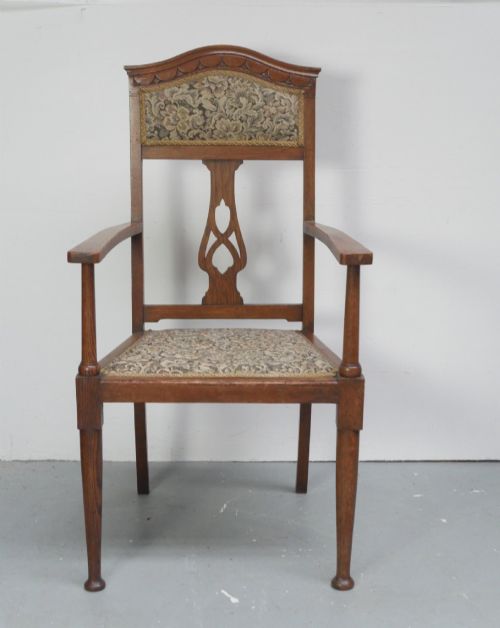
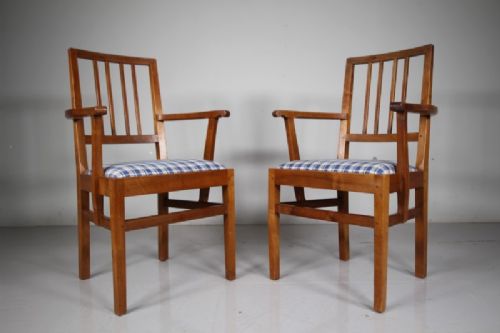
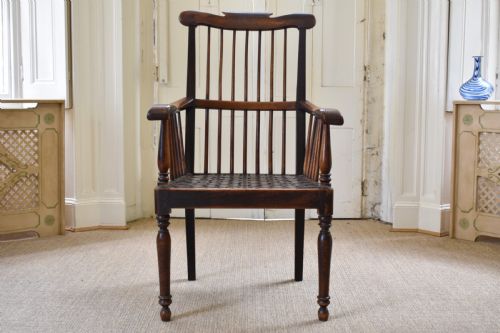
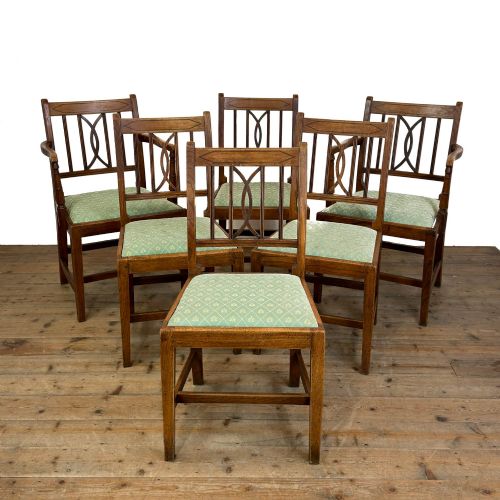


Arts Crafts Carver Chair
An arts crafts carver chair brings honest construction and tactile materials directly into a modern interior.
Arts Crafts Carver Chair
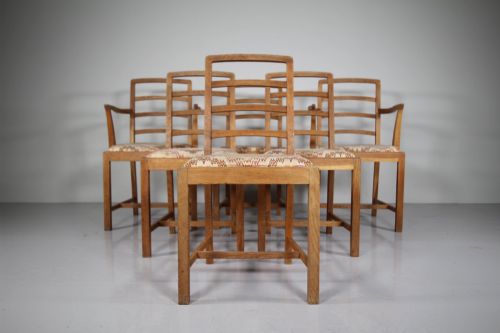
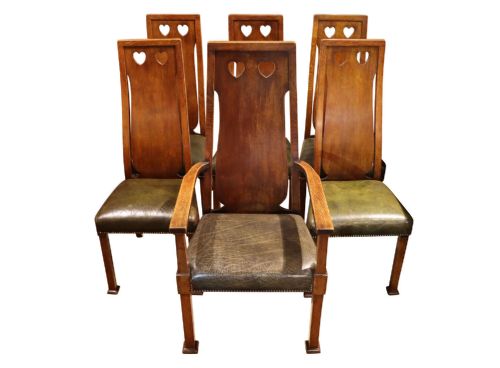
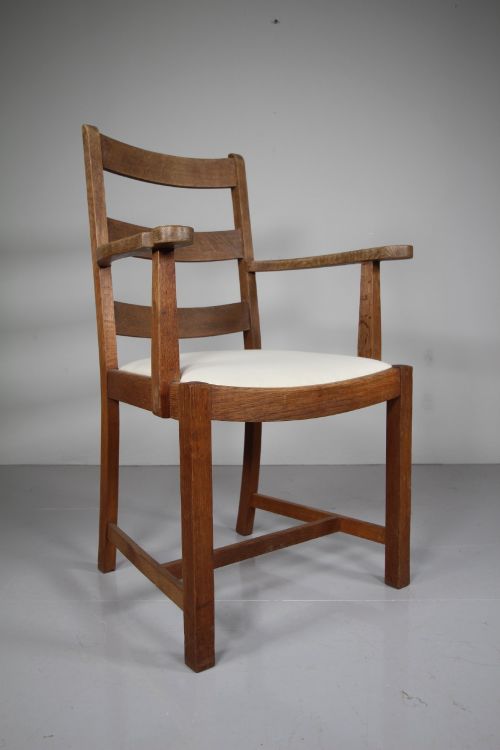
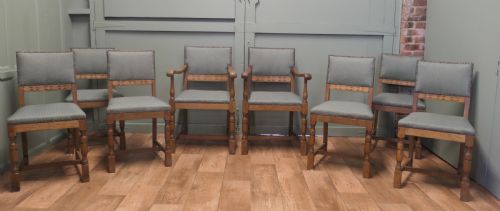
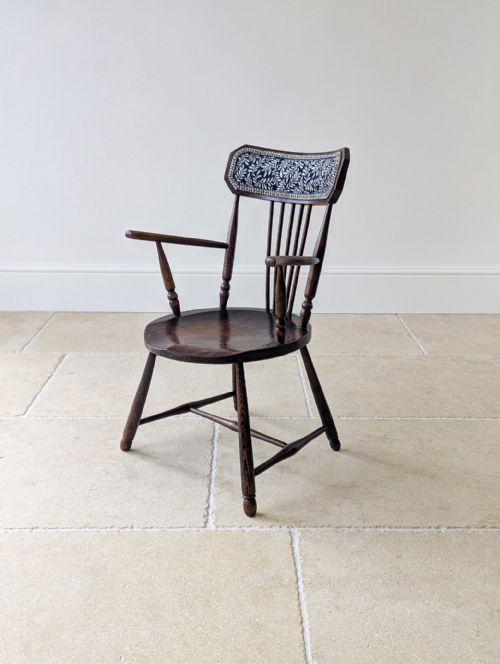
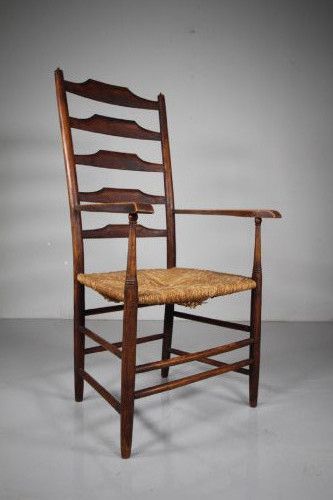
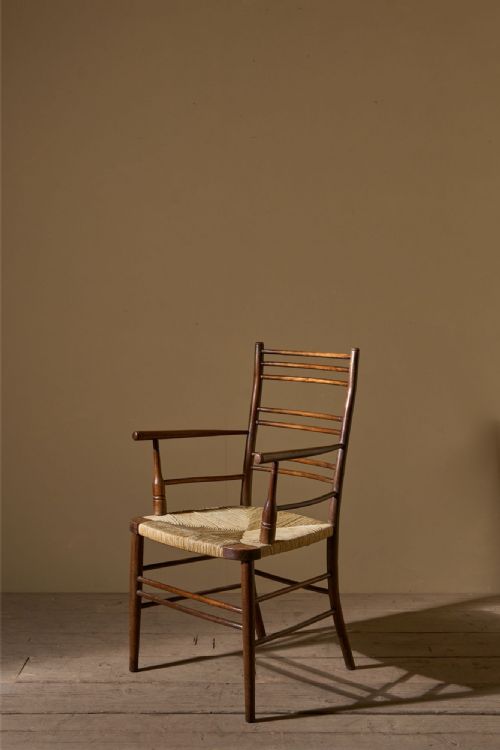
An arts crafts carver chair stands as a primary seating piece, featuring open armrests designed to provide comfort at a desk or the head of a dining table. The search phrase covers robust armchairs and elbow chairs emerging from late nineteenth and early twentieth century workshops, alongside related vernacular forms.
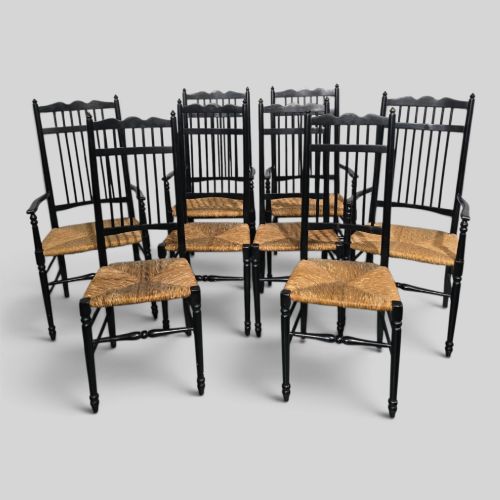
Buyers meet sturdy oak examples most frequently on this page, often fitted with woven rush or upholstered leather seats. These pieces range from restrained ladder backs to high slat variations bearing the functional ethos of the movement.
Makers and designers working in this idiom embraced straightforward joinery and visible construction methods, moving away from heavy Victorian ornamentation towards simpler, utility-driven forms.
Materials and construction methods
Makers relied heavily on native timbers, predominantly solid oak alongside elm, beech, laburnum and walnut, selecting each for its grain and structural resilience. Workshops utilised traditional mortise and tenon joints to bind frames together solidly without relying on concealed metal brackets.
Seating areas frequently incorporated hand-woven natural rush or fastened leather hides secured with brass studs. Surfaces were typically finished with wax or light oil to reveal the natural texture of the wood rather than hiding it beneath heavy varnishes.
Some chairs retain the original weaver's tension marks tucked tightly beneath the seat rails.
Distinguishing quality across examples
Quality rests upon the integrity of the timber selection and the precision of the hand-cut joinery. Superior examples maintain structural rigidity through tight joints and carefully shaped arm supports that balance comfort with aesthetic restraint.
The condition of original woven rush or period leather upholstery heavily influences the standing of a piece. Workshop marks, stamps or attribution to notable designers separate standard vernacular output from documented studio craftsmanship.
Philip Clissett·Edward Barnsley·Dicon Nance·Shapland & Petter·Wheelers of Arncroach
The Arts Crafts Carver Chair Glossary
- Rush seat
- A seating surface woven from dried marsh reeds over a wooden frame. This technique creates a resilient, textured pad common in vernacular and movement-inspired seating.
- Ladder back
- A chair back constructed with horizontal slats resembling the rungs of a ladder. This form appeared frequently in vernacular designs revived during the movement.
- Vernacular
- Everyday furniture traditions rooted in local craftsmanship rather than grand architectural styles. These pieces utilise regional timbers and practical construction methods.
- Slat back
- A chair back featuring vertical wooden slats set between the top rail and the seat. These components provide robust back support while displaying the grain of the timber.
Arts Crafts Carver Chair: Frequently Asked Questions
How do I spot a genuine piece?
Examine the joints for hand-cut mortise and tenon construction rather than modern metal fixings or staples. Genuine examples display natural timber movement, hand-planed surfaces and period-appropriate materials like oak and rush.
Look for maker stamps, retailer labels or documented workshop attributions on the underside of the frame. The weight of the timber and the absence of synthetic finishes also indicate period manufacture.
Can I use these daily?
These chairs were built for daily utility and remain robust enough for regular seating if the frame joints are sound. Solid oak frames and woven rush seats handle normal domestic use well when placed in stable indoor environments.
Avoid positioning antique seating near direct heat sources or in areas of extreme humidity to protect the timber and natural cordage. Periodic waxing keeps the wood nourished.
How do I care for rush seats?
Keep rush seats clean by gently brushing away dust with a soft bristle attachment on a vacuum. Avoid saturating the reeds with water during cleaning, as moisture degrades natural plant fibres over time.
Maintain indoor humidity levels to prevent the dried reeds from becoming brittle and snapping under weight. Placing a protective cushion on the seat can reduce direct wear during heavy daily use.
What defines the style?
The aesthetic centres on honest construction, visible joinery and functional design that celebrates the natural qualities of materials. Ornate carvings are replaced by clean lines, chamfered edges and structural clarity.
Pieces draw inspiration from historical vernacular traditions, prioritising utility and craftsmanship over mass-produced ornamentation. This creates a distinct visual harmony between structure and purpose.