


Arts and Crafts Style Chair
When you search for an arts and crafts style chair, you encounter honest timber frames and woven seats built for utility and simple grace.
Arts and Crafts Style Chair
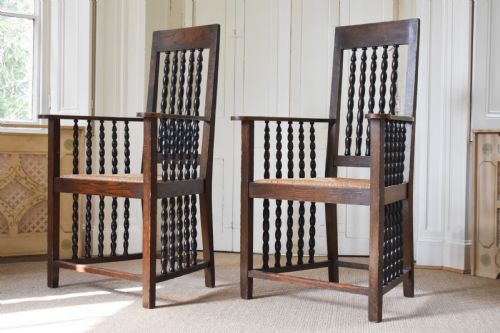
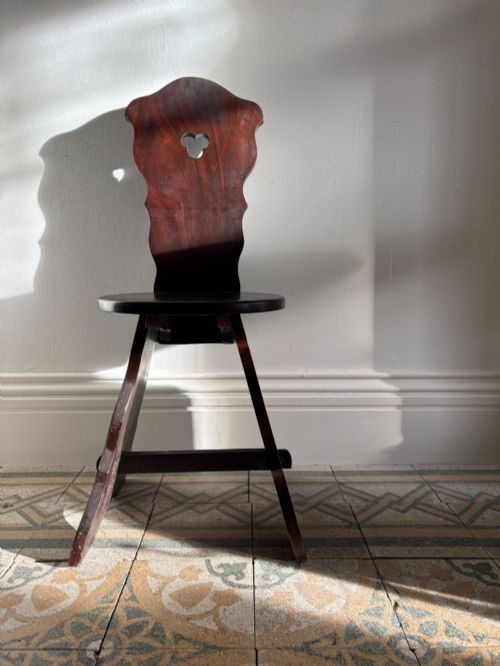
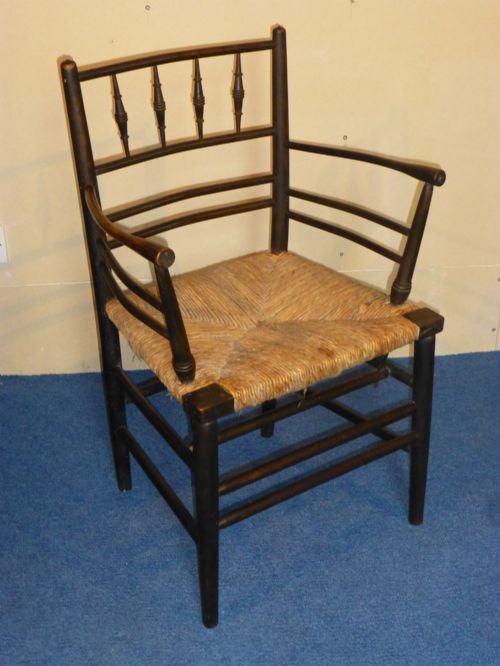
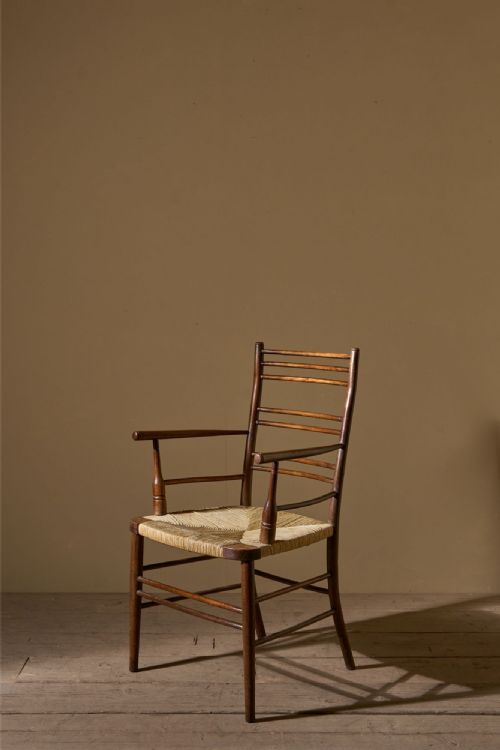
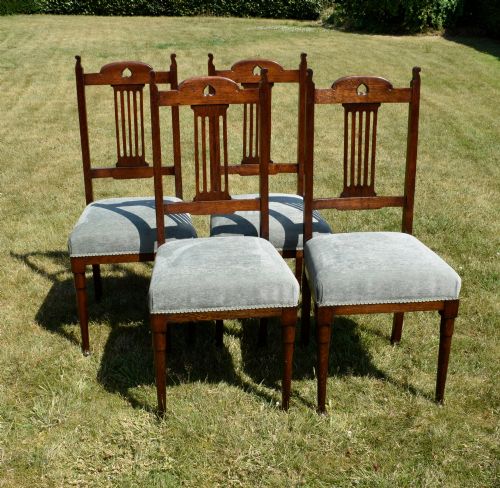
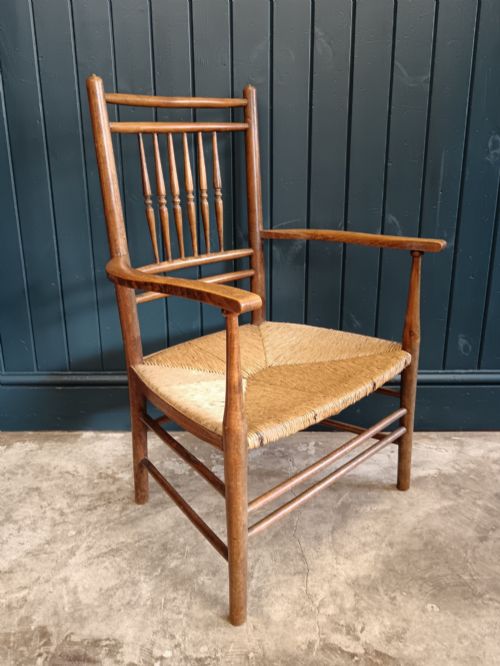
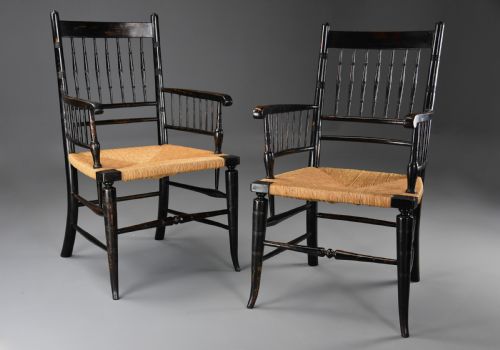
An arts and crafts style chair typically manifests as a sturdy dining seat, a low ladder back armchair, or a spindle back fireside chair rooted in the late nineteenth and early twentieth centuries. Pieces spanning the Victorian, Edwardian, and later periods frequently draw upon Gothic, vernacular, and movement ideals.
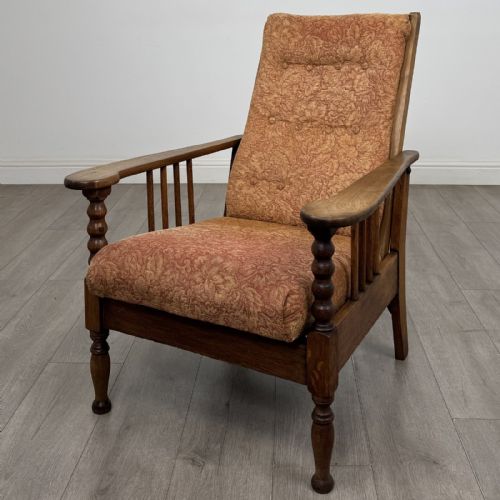
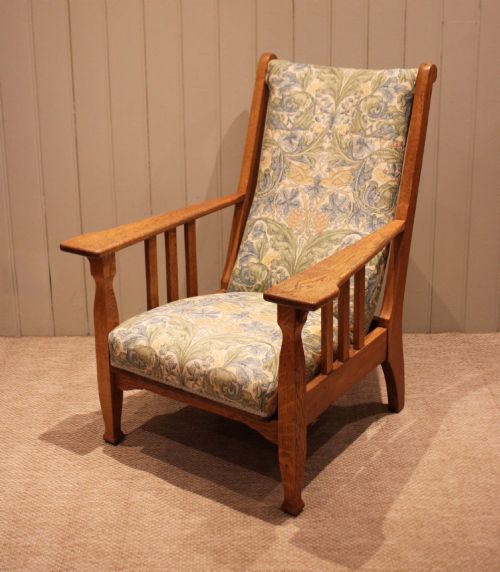
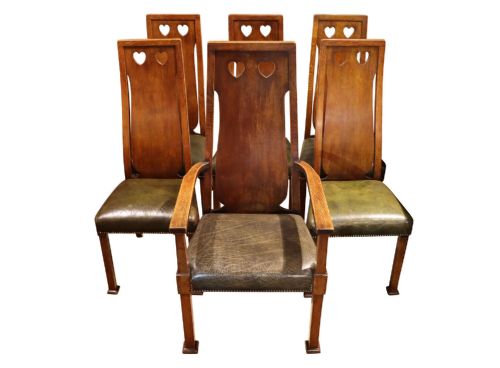
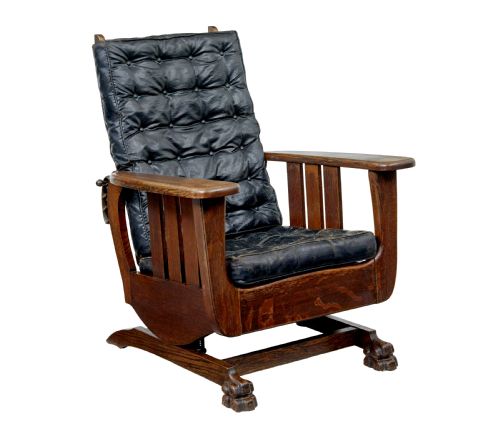
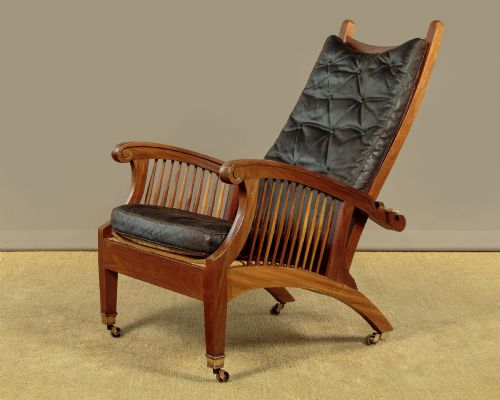
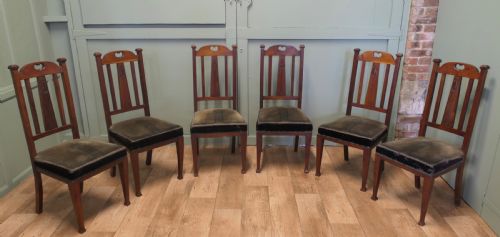
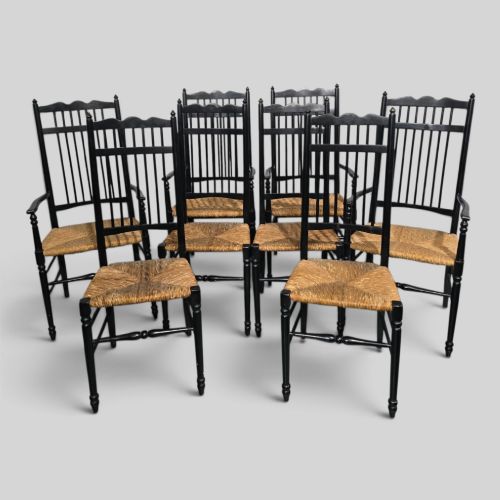
The version most commonly met on this page is the solid oak or fruitwood armchair paired with a rush seat, echoing the domestic reforms championed by makers like Morris and Co. Buyers also encounter larger suites of dining chairs and reclining library models designed for comfort alongside architectural plainness.
Materials and Construction
Makers relied heavily on native hardwoods such as oak, beech, elm, and walnut, often leaving the grain visible beneath simple stains or ebonisation. Structural joinery prioritised pegged mortise and tenon joints over concealed metal fasteners, ensuring long-term durability.
Seats utilised woven natural rush, supple leather, brass tacks, or traditional fabric and velvet upholstery to soften the austere wooden frames. Turning lathes produced delicate spindle backs and upright posts, contrasting with the heavy rectangular sections of larger armchairs.
Arts and Crafts Style Chair Retail Price Guide 2026
Typical asking prices for arts and crafts style chair among the pieces listed under this phrase on Sellingantiques today, from the lower quarter to the upper quarter. They describe what is for sale here now, not the wider market.
The archive demonstrates forms ranging from simple rush-seated low chairs to elaborate reclining armchairs.
The Measure of Craft
Quality rests in the integrity of the timber selection and the tightness of the joinery, where honest construction leaves no room for hidden structural shortcuts. Finer examples display balanced proportions in the rake of a backrest or the hand-turned taper of a spindle.
Makers known for retail houses or specific workshops imparted a greater refinement to carving and finishing than anonymous provincial country makers. The condition of woven rush seating and the retention of original surface finishes significantly influence the integrity of the piece.
Liberty & Co·Morris & Co·Philip Webb·Goodyers of London·Shapland & Petter·William Birch·Robert Mouseman Thompson·Edward Gardener
The Arts and Crafts Style Chair Glossary
- Rush seat
- A seating surface woven from dried marsh grass twisted into cords. This traditional technique provides a durable, slightly yielding platform common in vernacular chairs.
- Ebonised wood
- Timber treated with chemical stains or dark paint to imitate costly ebony. This finish was favoured by nineteenth-century designers seeking stark visual contrast.
- Ladder back
- A chair back featuring horizontal wooden slats arranged like the rungs of a ladder. It provides robust lumbar support while keeping the profile light.
- Spindle back
- A design incorporating numerous thin, turned wooden rods set vertically into the frame. This distributes weight evenly and lightens the visual mass of heavy armchairs.
- Reclining armchair
- A movable seat mechanism allowing the user to adjust the back angle for relaxation. Early versions used adjustable brass rods or notches in the arm supports.
Arts and Crafts Style Chair: Frequently Asked Questions
How do I identify an original rush seat?
Original rush displays a smooth golden-brown patina achieved through decades of use and exposure to air. The twisted marsh grass fibres feel firm under hand rather than brittle or powdery.
Modern replacements often appear paler and lack the subtle colour variations found in aged natural materials. Inspect the underside to see if the wrapping pattern remains tight and continuous around the seat rails.
How do I care for an oak chair?
Feed dry timber periodically with a quality beeswax polish to nourish the grain and protect the surface from moisture. Avoid placing antique wood near direct heat sources or in intense sunlight.
Check pegged joints occasionally to ensure they remain secure through seasonal humidity changes. Gentle dusting with a soft cloth is sufficient for routine maintenance.
Are reclining chairs fragile?
Early reclining mechanisms rely on simple wooden ratchets or metal bars that require careful handling during adjustment. While sturdy in daily use, they should not be forced beyond their intended stops.
Support the back frame with one hand while altering the angle to prevent undue strain on the pivot points. Proper operation preserves both the timber framing and the original hardware.