






Arts and Crafts Hall Tree
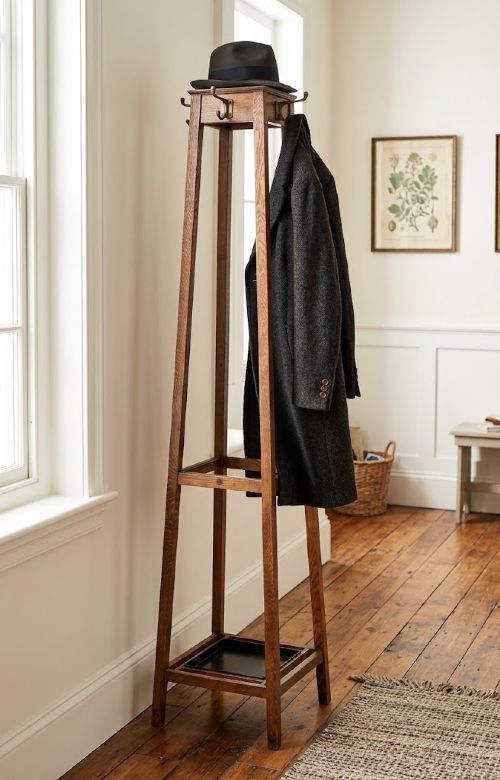
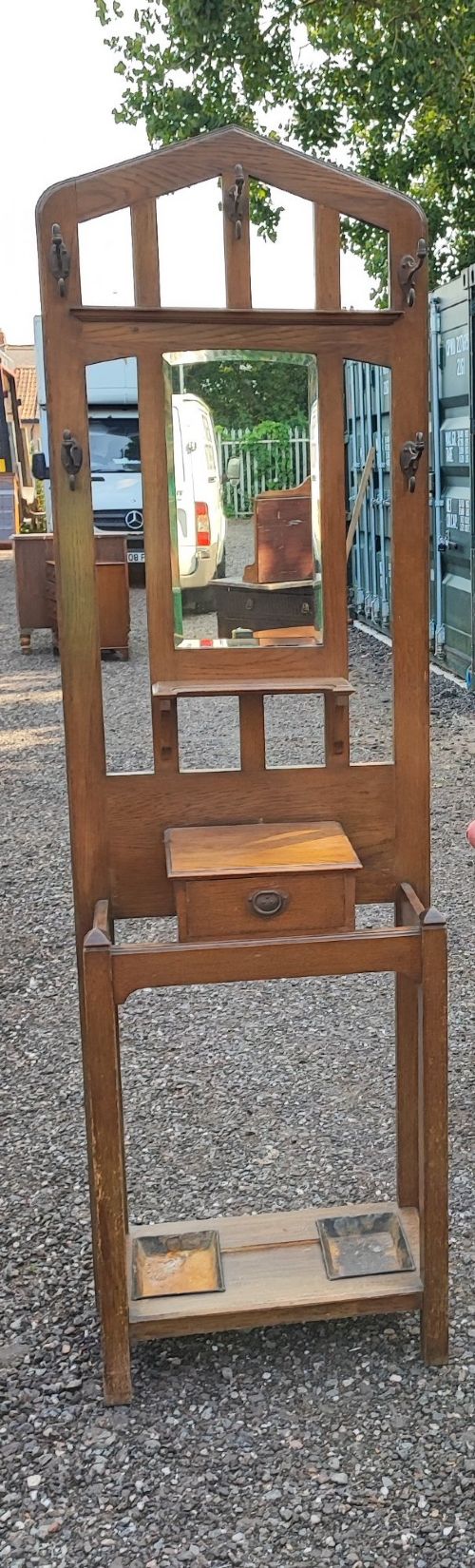
An arts and crafts hall tree greets visitors at the door, combining practical storage for hats, coats, and sticks with architectural presence.
Arts and Crafts Hall Tree
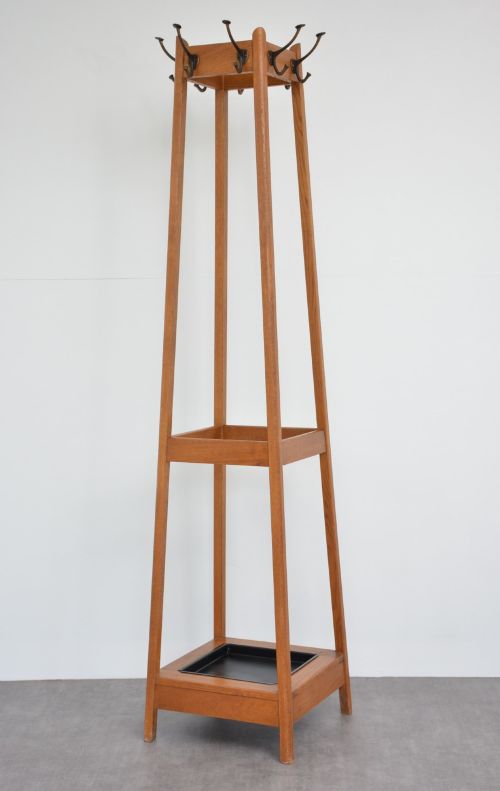
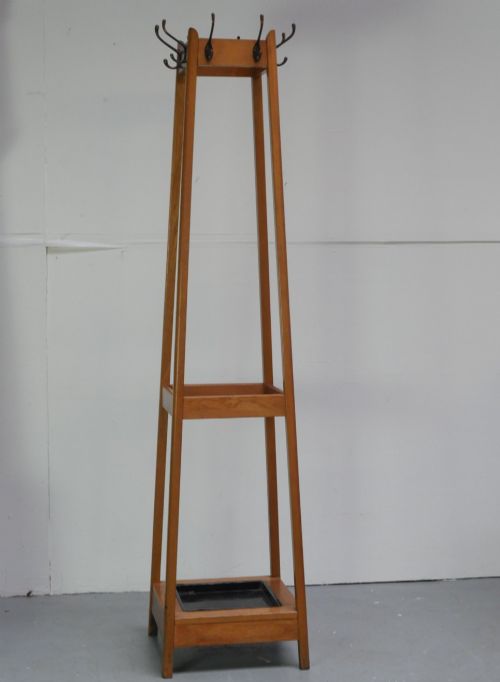
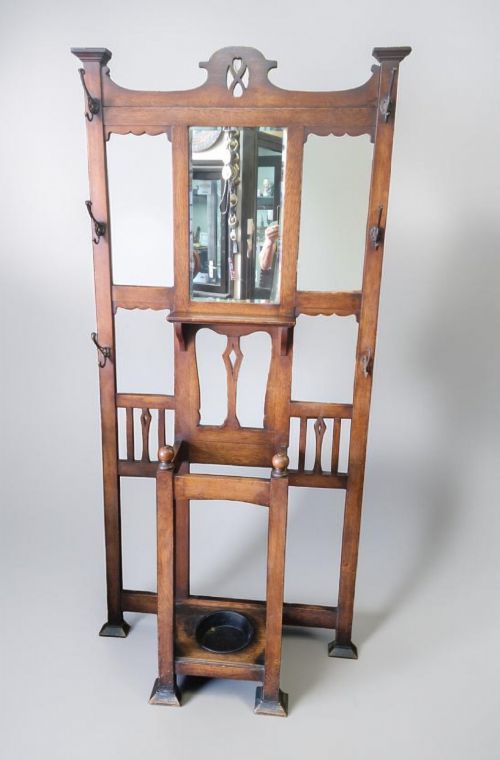
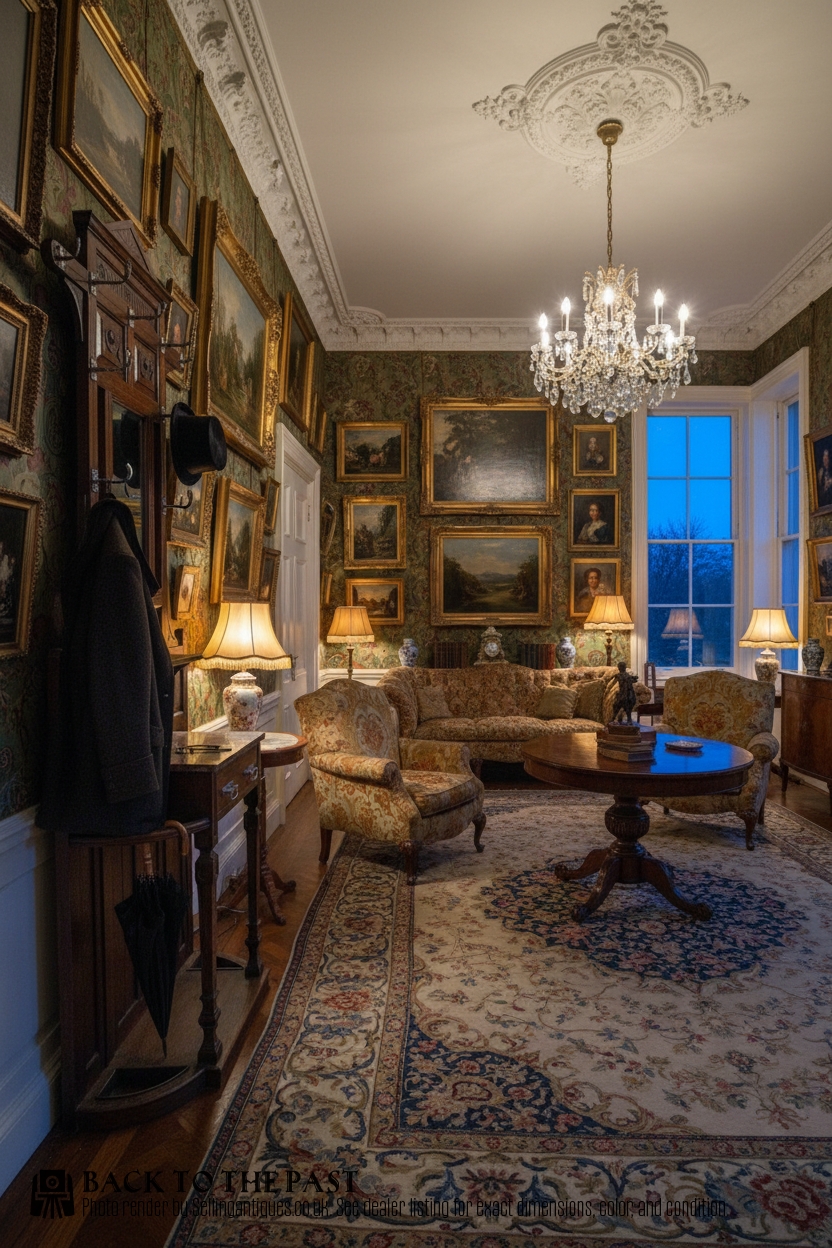
When you search for an arts and crafts hall tree, you find hall stands, coat stands, and hall seats designed to organise the entrance hall. These pieces combine hooks for garments, surfaces for hats, and drip trays or holders for umbrellas and sticks.
The versions you meet most frequently on this page date from the late nineteenth century through to the early twentieth century, spanning Victorian, Edwardian, and Arts and Crafts periods. They range from compact coat stands to substantial hall stands with benches and integrated mirrors.
Most examples originate in oak, sometimes walnut or mahogany, reflecting the material preferences of the Arts and Crafts movement and associated styles such as Art Nouveau and the Aesthetic Movement.
How they were made
Makers utilised solid timbers, principally oak and walnut, joined with traditional carpentry methods to build stable frameworks capable of bearing heavy coats and damp umbrellas. Panels are often fielded or carved, while structural uprights provide sturdy support for overhead hat shelves and coat hooks.
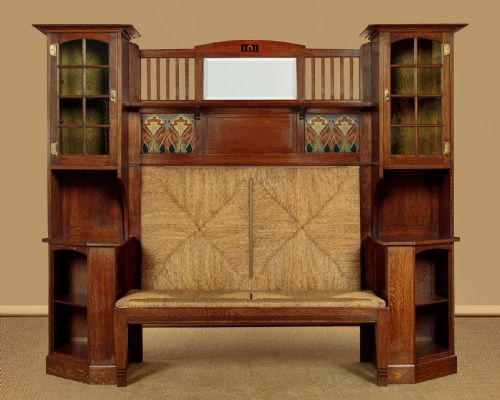
Metalwork forms an essential component, with brass and iron utilised for coat hooks, hanging rails, and umbrella drip trays. Ceramic tiles, notably from makers such as Minton, occasionally decorate the back panels, alongside inset glass or mirror plates.
Arts and Crafts Hall Tree Retail Price Guide 2026
Typical asking prices for arts and crafts hall tree among the pieces listed under this phrase on Sellingantiques today, from the lower quarter to the upper quarter. They describe what is for sale here now, not the wider market.
Certain hall stands come equipped to handle the British weather with dedicated compartments for your dampest days.
What varies in quality
The quality of an arts and crafts hall tree rests in the choice of timber and the integrity of its construction. Pieces built from solid golden or light oak with well-figured grain demonstrate a higher standard than those utilising simpler secondary woods.
Detailing separates standard production from finer work. The inclusion of bespoke brass or iron hardware, hand-painted ceramic tiles, integrated seating benches, and thoughtful joinery distinguishes more ambitious workshop outputs from utility hall stands.
Jas. Shoolbred·Christopher Dresser·Ellen E. Houghton·Minton
The Arts and Crafts Hall Tree Glossary
- Hall stand
- A piece of hallway furniture combining coat hooks, a hat shelf, an umbrella holder, and often a mirror or small seat. It served as the primary reception furniture for outdoor garments in period homes.
- Drip tray
- A metal tray, usually formed of brass or iron, positioned at the base of an umbrella stand to catch moisture from wet sticks. It protects the wooden floor or base from water damage.
- Golden oak
- A bright, warm shade of oak finish popular during the late nineteenth and early twentieth centuries. It highlights the natural grain of the timber.
- Inlay
- A decorative technique where contrasting materials such as lighter woods or metal are fitted into recesses flush with the surface. It adds visual interest to flat panels and panels behind coat hooks.
Arts and Crafts Hall Tree: Frequently Asked Questions
What is an arts and crafts hall tree used for?
These pieces provide a dedicated station in the entrance hallway for hanging coats, hats, and scarves. They also accommodate walking sticks and umbrellas in integrated holders.
Many designs include a central mirror for checking appearance before departure and small surfaces for depositing keys or calling cards.
How do I maintain the wood on a hall stand?
Regular dusting with a soft cloth preserves the surface of the timber. Occasional application of a suitable beeswax nourishes the polish without building up residue.
Keep wooden stands away from direct heat sources and damp external walls to prevent the timber from warping or splitting.
Are these pieces suitable for modern hallways?
Their vertical orientation makes them practical for contemporary entrance spaces that require storage without occupying excessive floor area. They offer an immediate place for everyday outdoor wear.
The sturdy construction allows them to handle modern coats and umbrellas just as effectively as period garments.
How do I identify an Arts and Crafts period piece?
Look for honest construction methods, solid oak or walnut construction, and an emphasis on the natural qualities of the material. Decoration is often restrained, favouring clean lines or botanical motifs.
Hardware in brass or iron is typically robust and functional, sometimes showing hand-beaten textures characteristic of the movement.