
Victorian Hall Tree Stand
A victorian hall tree stand welcomes visitors with architectural presence, offering a practical place for hats, coats and umbrellas in the entrance.
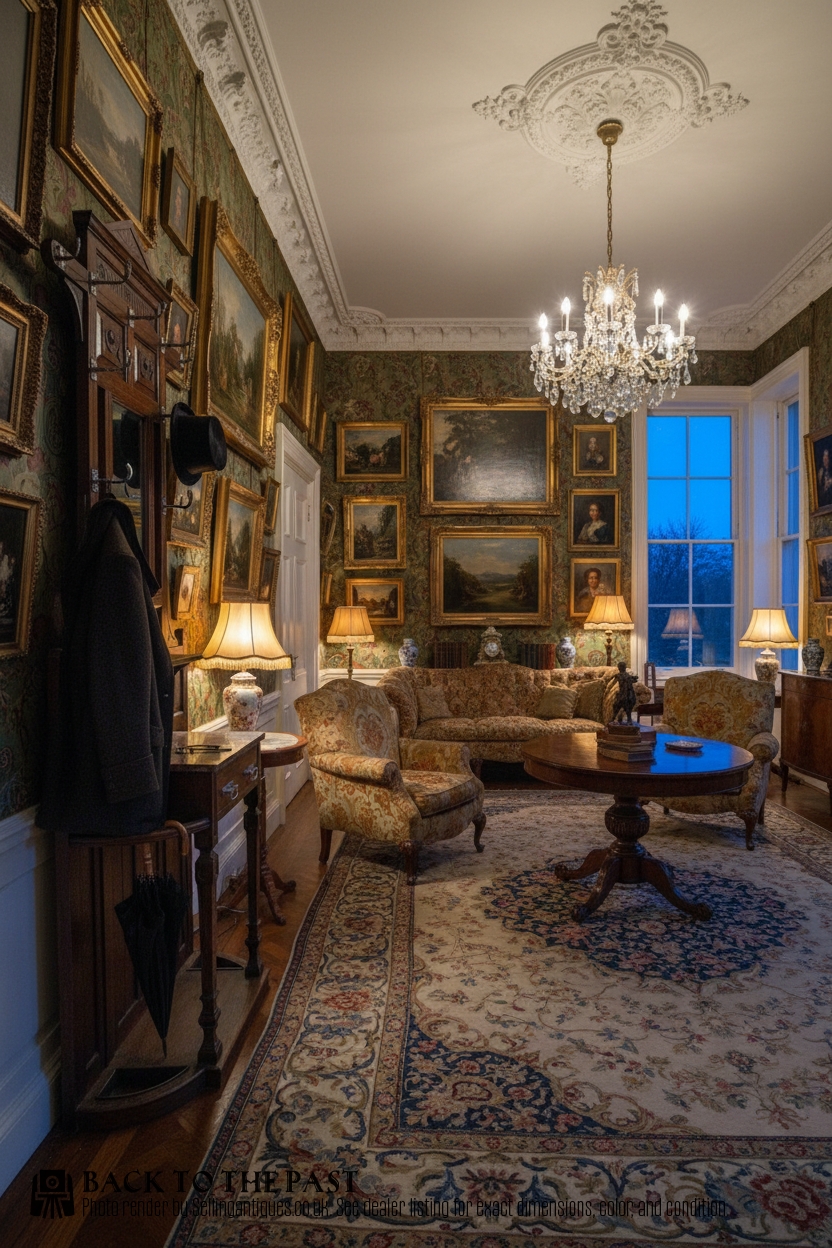
Victorian Hall Tree Stand
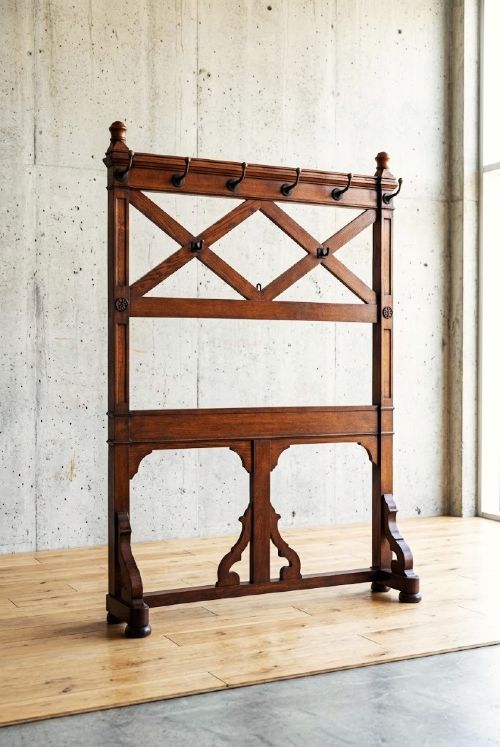
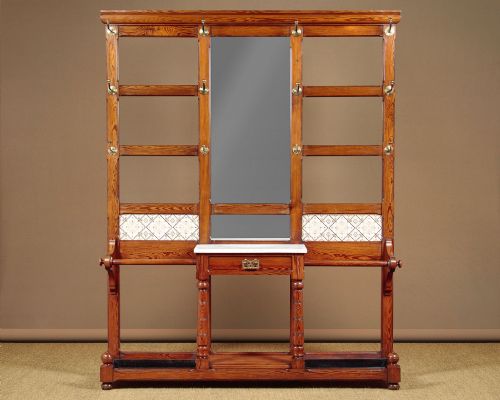
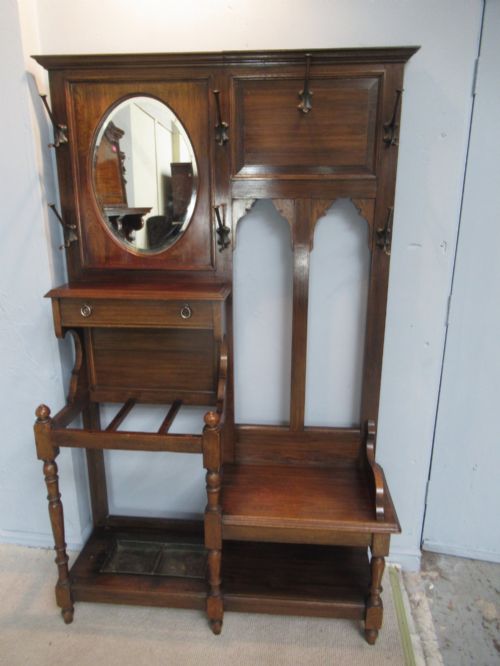
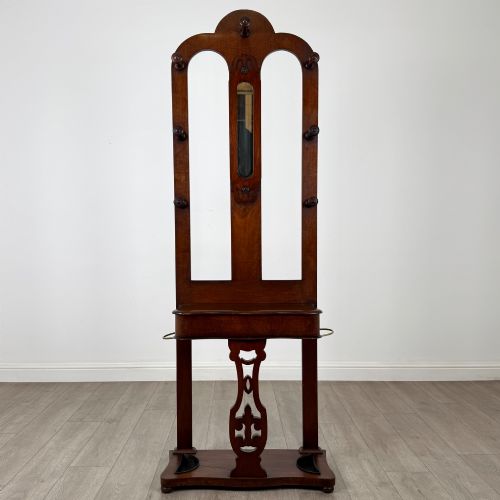
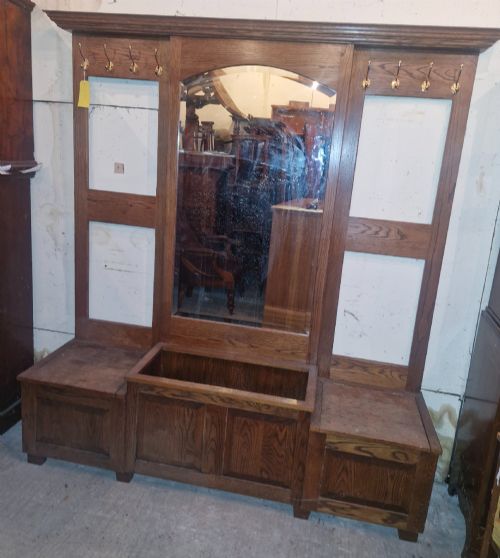
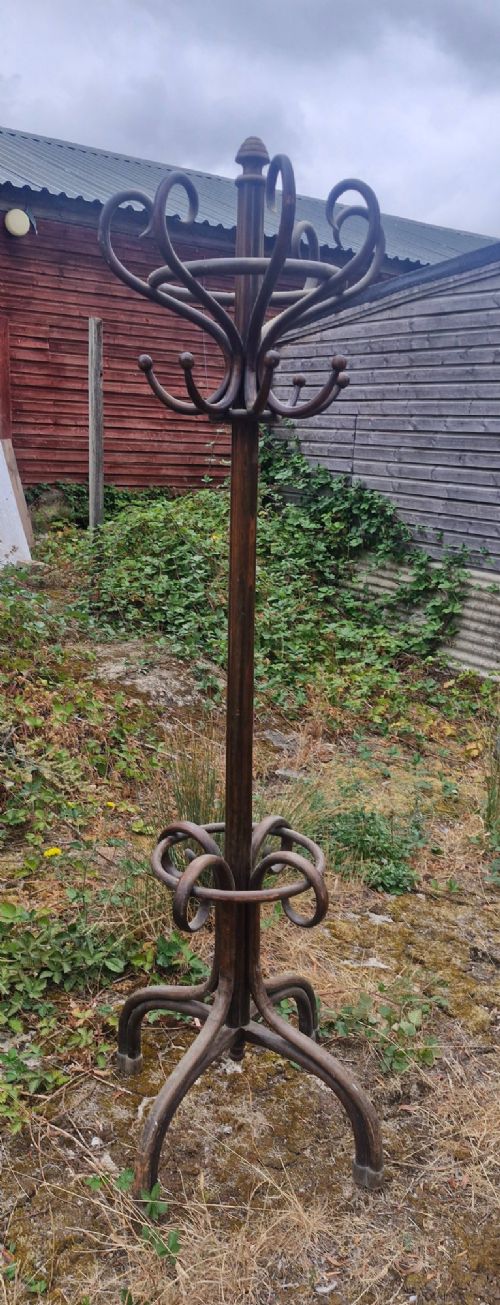
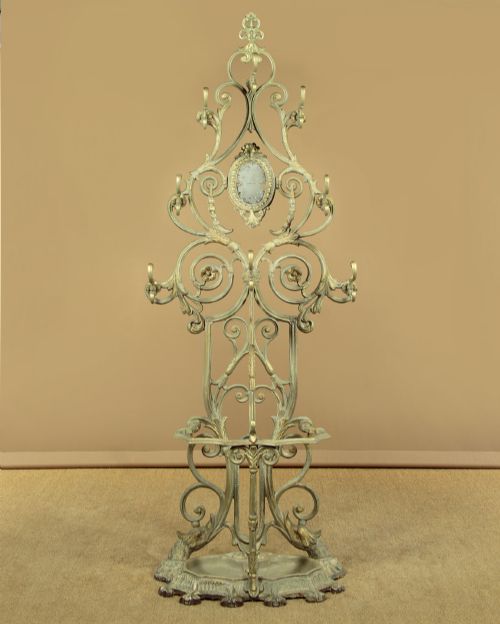
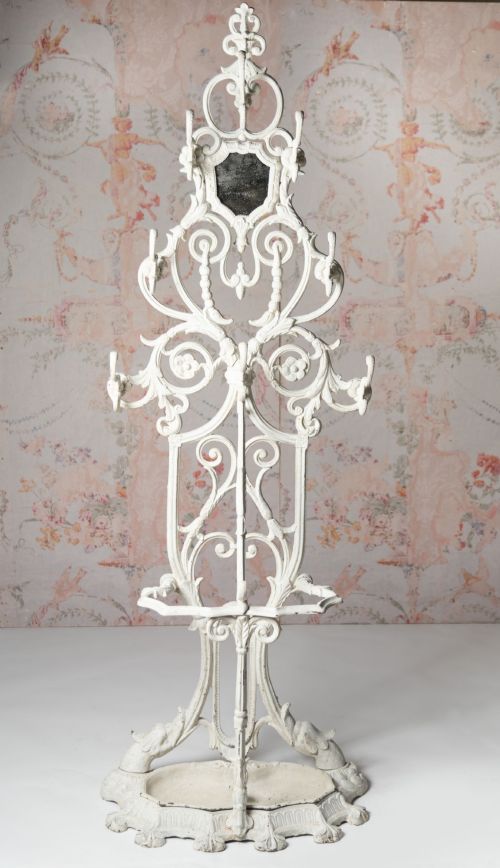
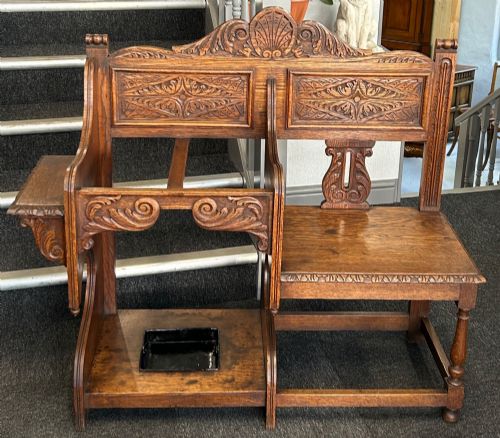
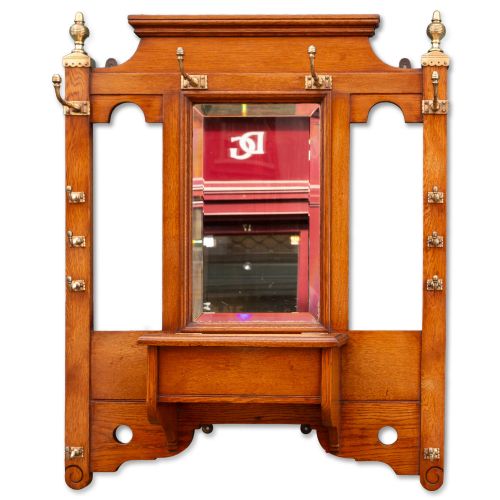
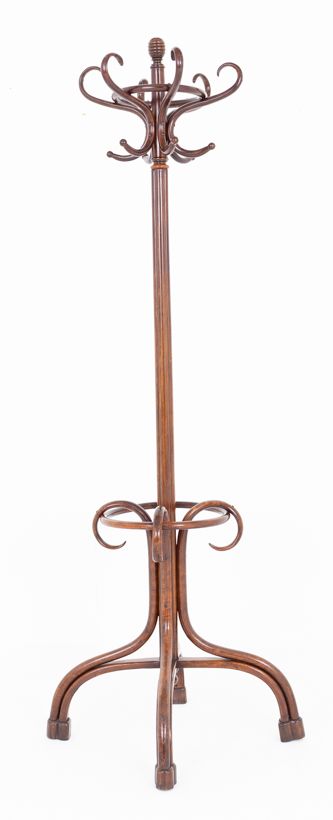
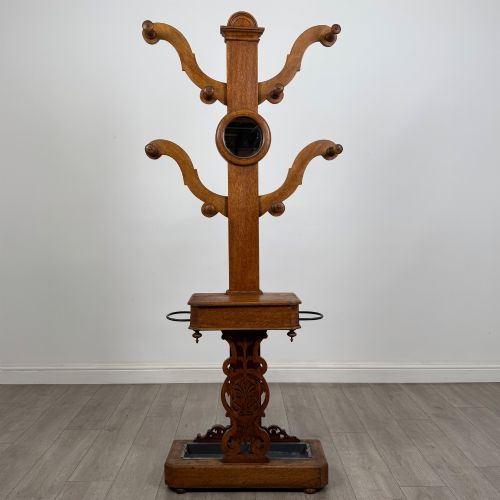
When you search for a victorian hall tree stand, you are looking at substantial entrance furniture designed to organise outerwear in nineteenth and early twentieth century hallways. The pieces range from monumental carved oak and mahogany examples featuring integrated mirrors and umbrella wells to lighter bamboo and bentwood versions.
You will frequently meet timber constructions spanning the Victorian, Edwardian and Aesthetic periods, alongside alternative forms in cast iron and beech. These items serve multiple functions, combining coat hooks, hat racks and stick stands within a single hallstand footprint.
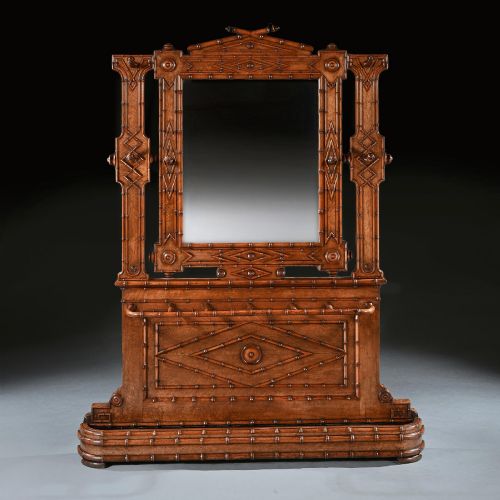
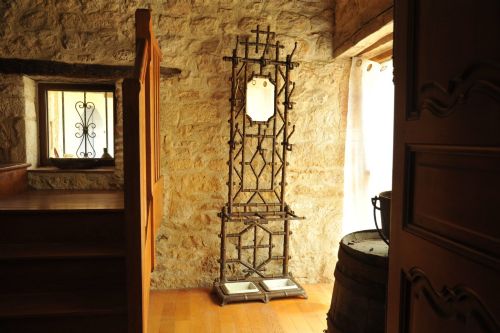
The architectural styles represented vary widely, encompassing Gothic Revival, Arts and Crafts, Black Forest carvings and French faux bamboo designs. Each variation reflects the interior fashion of its decade, from severe ecclesiastical oak to playful steam-bent beech.
Materials and Techniques
Makers utilised solid timbers including oak, mahogany, walnut and pine, often enhancing them with deep relief carving, turnings and applied mouldings. Large structural items relied on sturdy joinery to support heavy coats and umbrellas without racking.
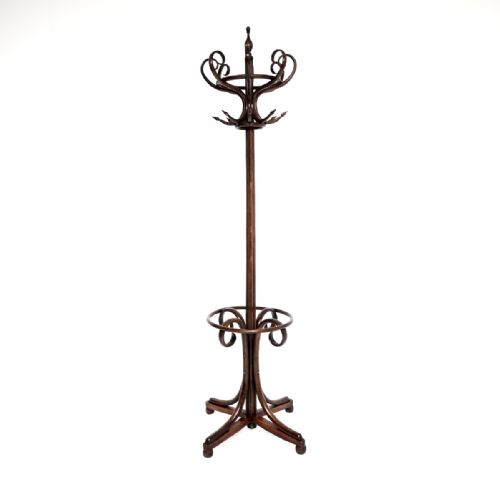
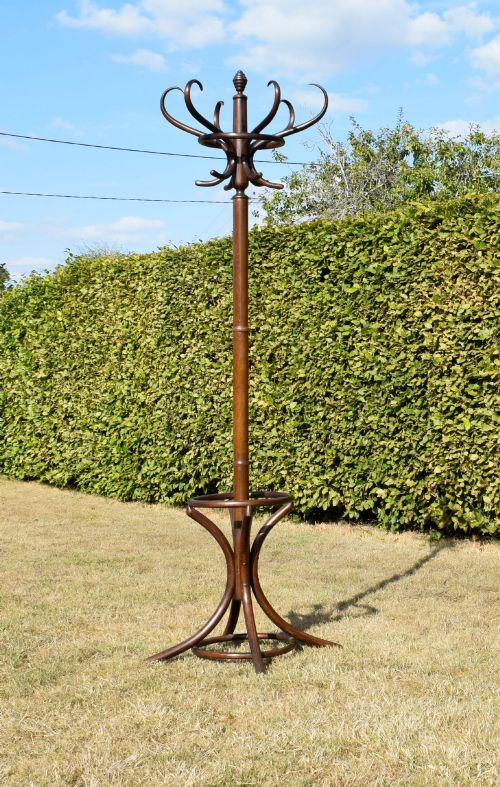
Steam-bent beech and bamboo introduced lighter, curved silhouettes, particularly associated with Thonet production techniques where wood was manipulated under heat. Metal components appeared in cast iron frames, brass hooks and integrated drip pans for wet umbrellas.
Surface treatments included polished wood finishes, japanned metalwork and faux bamboo paint effects that imitated natural cane. Mirrors were frequently inset into the backboards, held in place with wooden beads and bevelled edges.
The selection includes architectural Gothic Revival pieces, French faux bamboo designs and revolving bentwood coat stands.
Quality and Construction
The distinction between standard utility items and finer examples lies in the depth of carving and the selection of figured timber, such as pollard oak or birdseye maple. Superior pieces display crisp detailing on motifs like Green Man masks or animal figures.
Structural integrity separates robust survivors from compromised examples, particularly regarding the attachment of multiple coat hooks and the stability of the base. Original brass drip pans, matching hardware and intact mirror plates elevate the standing of a piece.
The complexity of the design plays a role, with multi-functional units incorporating seats, storage compartments and pivoting elements demonstrating greater ambition in cabinetmaking.
J. Parker of Woodstock·Thonet·Coalbrookdale·Jas. Shoolbred·William Whiteley
The Victorian Hall Tree Stand Glossary
- Hallstand
- A piece of hallway furniture designed for hanging coats and hats while storing umbrellas or walking sticks. It often incorporates a mirror and sometimes a seat.
- Bentwood
- Wood that has been shaped by heating it in steam, allowing makers to create sweeping, curved forms without traditional joints. This technique defined many nineteenth century hat stands.
- Faux bamboo
- Wood or metal painted, turned or carved to imitate natural bamboo stalks. This decorative finish was popular during the Aesthetic Movement.
- Drip pan
- A metal tray placed at the base of a stick stand to catch water from wet umbrellas. These are frequently removable for emptying.
- Japonisme
- The influence of Japanese art on Western design during the late nineteenth century. It appears in bamboo and maple hall stands from the Aesthetic period.
Victorian Hall Tree Stand: Frequently Asked Questions
What is a hall tree?
A hall tree is an alternative term for a hallstand, specifically describing pieces shaped like trees or featuring branch-like configurations for hanging garments.
These items were placed in entrance halls to hold outdoor wear immediately upon entering a home.
How were umbrellas stored?
Umbrellas and walking sticks were placed upright in designated wells at the base of the stand, usually accompanied by metal drip pans.
These pans protected wooden floors and carpets from moisture running off wet items.
Where should I place one?
These pieces function best in spacious entrance halls or boot rooms where their height and projection can be fully appreciated without obstructing movement.
Ensure the wall behind can support wall-mounted variants or that freestanding versions have adequate clearance.
How do I identify the period?
Period identification relies on matching stylistic cues such as Gothic Revival carving, Aesthetic Movement bamboo or Arts and Crafts simplicity with known manufacturing dates.
Materials, joinery techniques and hardware styles further help narrow down the decade of production.