



Arts and Crafts Framing
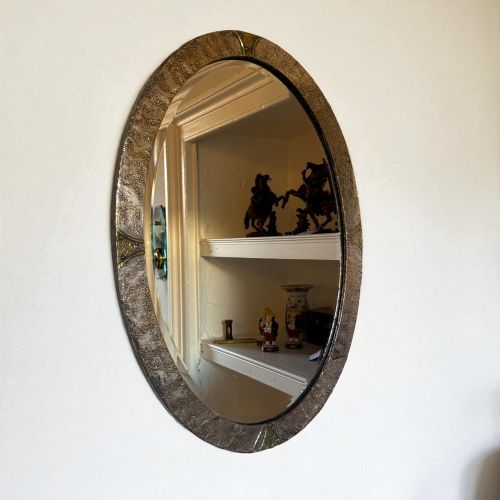
Arts and crafts framing centres on solid timber and beaten metal surrounds that bring honest craftsmanship to mirrors, plaques and panels.
Arts and Crafts Framing
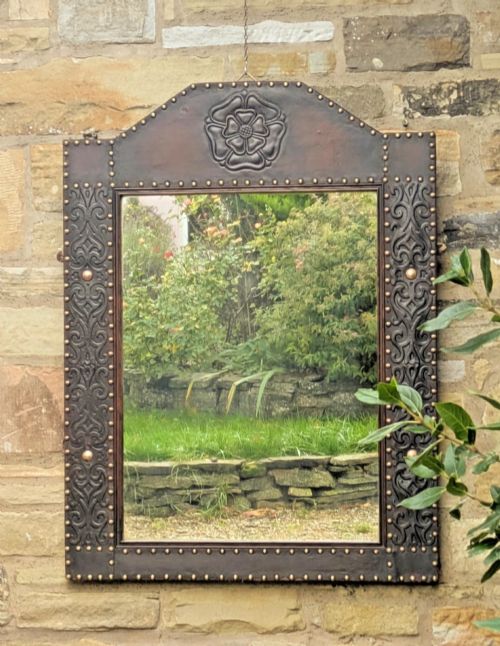
Arts and crafts framing spans wall mirrors, glazed panels, and mounted artworks produced across the late nineteenth and early twentieth centuries. These pieces reflect a movement that prioritised hand-worked materials and structural honesty over mass-produced ornamentation.
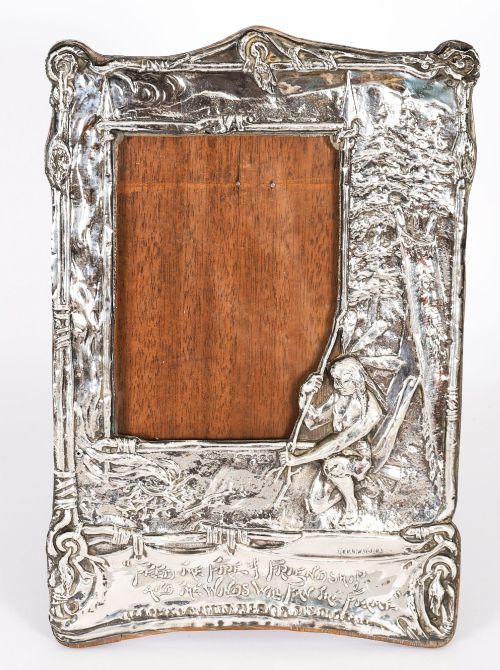
Beyond mirrors, the category encompasses framed tiles, textile panels, and photographic frames bearing the characteristic hallmarks of the period. Makers ranged from prominent firms like Heal's and Shapland and Petter to independent craftsmen working in oak, fruitwood, and chestnut.
Materials and construction
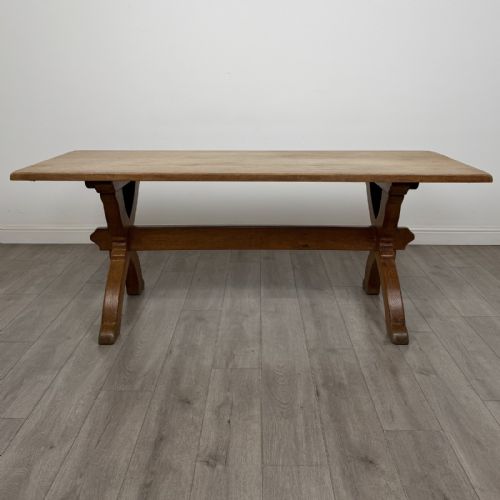
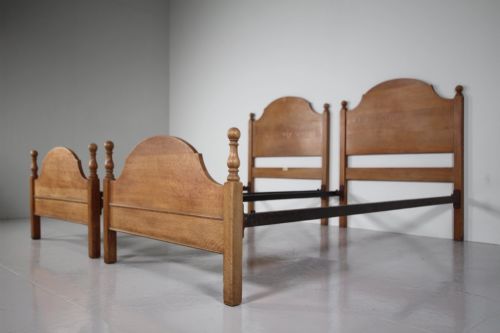
Makers relied heavily on solid hardwoods like oak, sweet chestnut, and fruitwood for structural frames and furniture. Timber surfaces were frequently left untreated, waxed, or limed to display the natural grain rather than hidden beneath heavy varnish.
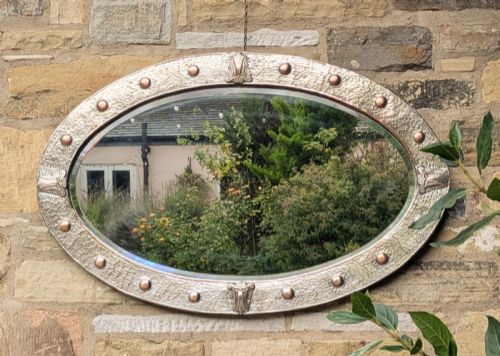
Metal components were worked by hand, using copper and brass sheet beaten into relief or repoussé patterns. Iron frames and lead cames added structural rigour, while decorative elements often utilised enamel, ceramic tiles, or carved plaster relief.
Arts and Crafts Framing Retail Price Guide 2026
Typical asking prices for arts and crafts framing among the pieces listed under this phrase on Sellingantiques today, from the lower quarter to the upper quarter. They describe what is for sale here now, not the wider market.
One extraordinary piece pairs a pastoral mother and baby print with six Pre-Raphaelite portraits inside a shared oak shelf.
Evaluating quality
Quality rests on the depth and definition of hand-working in the metal components and the integrity of the underlying timber construction. Pieces that show genuine hand-hammering marks and careful jointing stand apart from later commercial imitations.
The presence of maker stamps, retail labels, or attribution to notable workshops elevates a piece significantly. Superior items balance proportion with tactile surface textures that reward close inspection.
Heal And Sons·Stanley Webb Davies·Oliver Morel·William Hutton And Sons·Liberty And Co·Sherwin And Cotton·James Shoolbread And Co·Shapland And Petter
The Arts and Crafts Framing Glossary
- Repoussé
- Metalworking technique where the design is hammered into relief from the reverse side. This method creates tactile, three-dimensional surface patterns on copper and brass frames.
- Limed oak
- Timber treatment involving a white pigment rubbed into the open grain of oak. This technique lightens the wood while accentuating its natural texture.
- Cames
- Slender strips of lead or zinc used to hold together pieces of stained glass or small panes. They provide both structural support and linear definition.
- Polychrome
- Decoration executed in multiple colours. In this context, it often refers to hand-painted plaster reliefs or tiles from the period.
Arts and Crafts Framing: Frequently Asked Questions
How do I identify genuine arts and crafts framing?
Authentic pieces display hand-worked details such as visible hammer marks on copper or brass surrounds and traditional joinery in the timber. Look for materials typical of the era, including solid oak, beaten metal, and leaded glass.
Maker stamps or workshop labels from firms like Heal's provide definitive confirmation of origin. The overall aesthetic prioritises honest construction and material texture over machine-tooled perfection.
What woods were used in these frames?
Oak is the predominant timber found in these frames, ranging from dark fumed finishes to lighter limed surfaces. Other materials include sweet chestnut, fruitwood, and satinwood depending on the workshop and period.
Timber was selected for its natural grain and durability, often left unvarnished or simply waxed to age gracefully. Grain patterns remain visible and form an integral part of the design.
How should I hang heavy copper mirrors?
Ensure fixings are secured directly into wall studs or use appropriate heavy-duty wall anchors suitable for the weight of solid oak and metal. Many period frames feature original hanging brackets that require sturdy picture wire or direct wall hooks.
Check the integrity of the wooden backing and corner joints before hanging to ensure the structure safely supports the combined weight of the timber and glass.
Can I polish the copper and brass elements?
Light dusting with a dry microfiber cloth is generally sufficient to maintain the surface without removing the accumulated patina of decades. Avoid harsh chemical cleaners that strip the aged finish characteristic of Edwardian and Victorian metalwork.
If cleaning is necessary, use a mild, non-abrasive metal cleaner specifically formulated for antique copper and brass. Preserve the darker recessed areas to maintain the intended depth of the repoussé design.