


Arts and Crafts Copper Box
These arts and crafts copper box pieces combine hand-beaten metalwork with robust oak or iron frames to bring authentic period character to any interior.
Arts and Crafts Copper Box
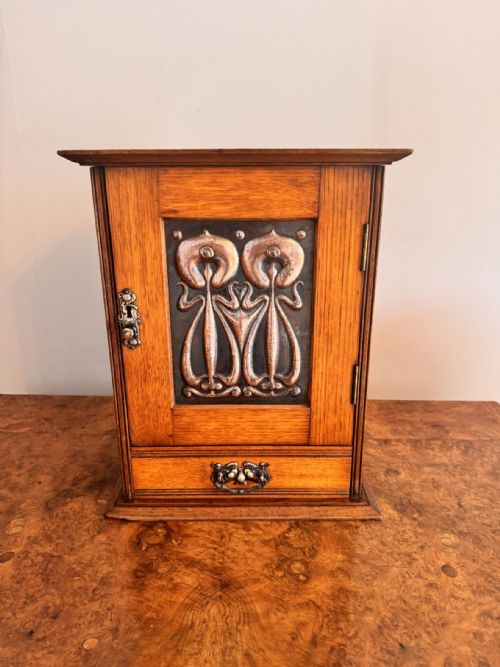
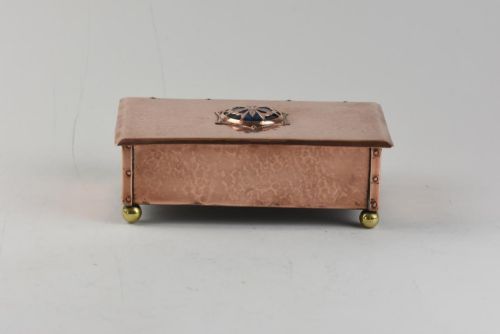
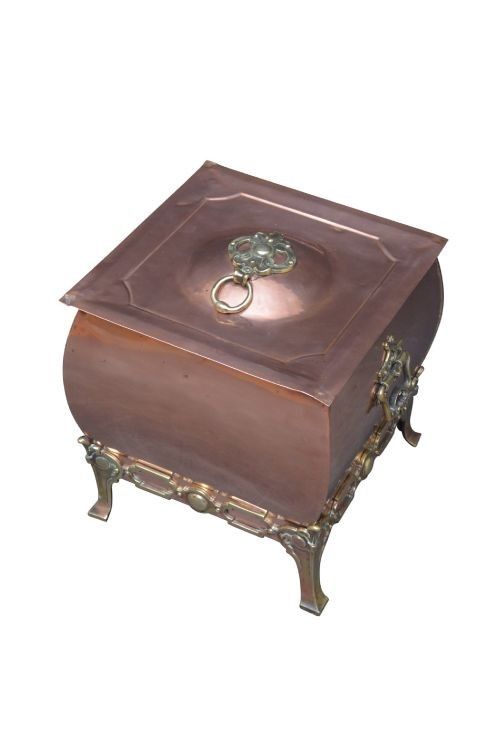
When you search for an arts and crafts copper box, you encounter a diverse range of metalwork spanning coal scuttles, log bins, desktop letter racks, and small trinket containers. These items date primarily from the late nineteenth century through the Edwardian period and into the nineteen-twenties and thirties, reflecting the enduring popularity of the movement. Smaller tabletop versions appear alongside large fireside coal boxes fitted with wooden or iron structures.
The aesthetic bridges utilitarian function and decorative craft, often combining beaten copper panels with oak, brass, or wrought iron. Pieces range from simple domestic receptacles to elaborate examples adorned with enamel cabochons, butterfly overlays, or galleon designs. This variety ensures that both large hearth accessories and small desk items share the same distinct period hand.
Originating from a philosophy that valued honest materials and manual skill, these objects serve practical storage roles while displaying thoughtful design. The pieces available here demonstrate how makers applied sheet metal and repousse techniques to everyday household containers, creating durable items intended for daily use. Collectors and interior decorators seek them out for their tactile surfaces and historic integrity.
Materials and Working Methods
Craftsmen utilised sheet copper for its malleability, hammering the metal by hand to create textured, light-catching surfaces known as repousse work. This technique involved working the metal from the reverse side to push out relief patterns, then refining the details from the front. Workshops often mounted these copper panels onto sturdy oak or pine carcasses to form robust coal boxes and cabinets.
Structural elements frequently incorporated brass, wrought iron, and steel to provide contrast and necessary mechanical strength for hinges, handles, and coal liners. Enamel cabochons and Ruskin pottery inserts were occasionally riveted or set into the metal lid to provide focal points of vibrant colour. A bronze patina or silvered finish was often applied to alter the raw appearance of the metal.
Some fireside boxes took the curious shape of a Victorian slipper, ensuring your kindling rested in footwear-inspired comfort.
Judgement of Quality
The distinction between standard commercial output and superior craftsmanship rests on the depth and control of the hand-beaten decoration. Finer pieces display crisp, deliberate repousse work with varied relief, whereas lesser examples show flat, mechanical stamping or shallow indentation. The quality of the joinery in the underlying oak or iron framework also separates everyday utility items from exhibition-grade works.
Attention to secondary details, such as riveted overlays, hand-forged hinges, and the inclusion of original enamel or ceramic cabochons, elevates a piece significantly. The integrity of the metal surface, including the retention of an appropriate patination without over-cleaning, marks the difference between a well-preserved object and a compromised one.
Guild of Handicraft Ltd Chipping Campden·John Pearson·Benham and Froud
The Arts and Crafts Copper Box Glossary
- Repousse
- A metalworking technique where the artisan hammers sheet metal from the reverse side to form a raised design in relief. Details are subsequently refined from the front using punches and chisels.
- Cabochon
- A polished, convex stone or piece of enamel lacking facets, frequently mounted centrally on metalwork lids for decorative emphasis. These elements often introduce touches of blue, green, or red to the copper surface.
- Purdonium
- A specialised household box or scuttle designed specifically for storing and dispensing coal near a fireplace. They typically feature a hinged sloping front or a drop-down mechanism.
- Slipper box
- A fireside receptacle shaped similarly to a traditional slipper, used for holding matches, kindling, or fuel. These often combine copper panels with wooden sides.
- Patina
- The surface sheen and coloration acquired by copper, brass, and bronze through age, oxidation, and handling. A desirable patination reflects decades of natural exposure rather than chemical alteration.
Arts and Crafts Copper Box: Frequently Asked Questions
What were copper boxes used for?
These boxes served various domestic functions, ranging from desktop letter racks and cigarette containers to large hearthside bins for coal and logs. Their dual purpose was to keep utilitarian fuel and supplies out of sight while adding artistic warmth to the room.
Smaller lidded versions sat on tables to hold trinkets or correspondence, whilst robust oak and iron combinations managed heavy fuel near the fire.
How do I clean an antique copper box?
You should generally preserve the natural aged surface rather than attempting to polish the copper to a bright, reflective shine. Vigorous cleaning removes the historical patination that collectors value.
Dust the surface gently with a dry cloth and avoid harsh chemical abrasives that can strip the original metal finish or damage embedded enamel cabochons.
Are these items made entirely of copper?
Most pieces combine sheet copper with a structural carcass of solid oak, pine, or wrought iron. The internal framing provides the necessary rigidity for holding heavy materials like coal.
Brass fittings, iron handles, and wooden panels frequently work alongside the exterior copper wrap to ensure structural stability.