



Arts and Crafts Collectible
These arts and crafts collectible pieces bring tactile honesty and hand-worked character to a room, offering functional utility paired with enduring design.
Arts and Crafts Collectible
When you search for arts and crafts collectible, you encounter items spanning the late nineteenth century through to the mid-twentieth century. The selection encompasses diverse forms ranging from domestic vessels to decorative lighting and stationery.
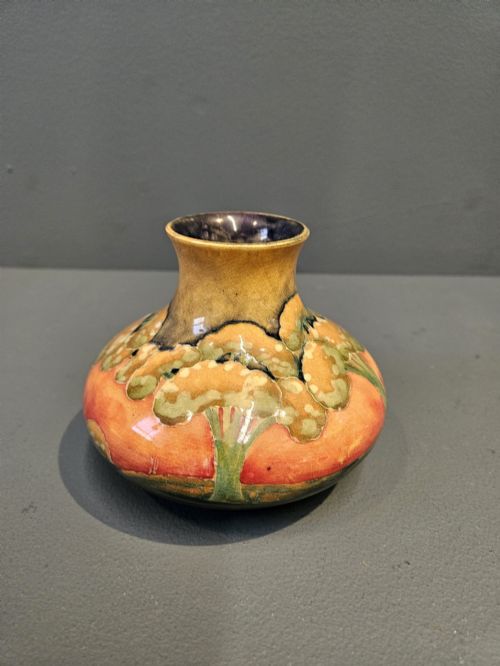
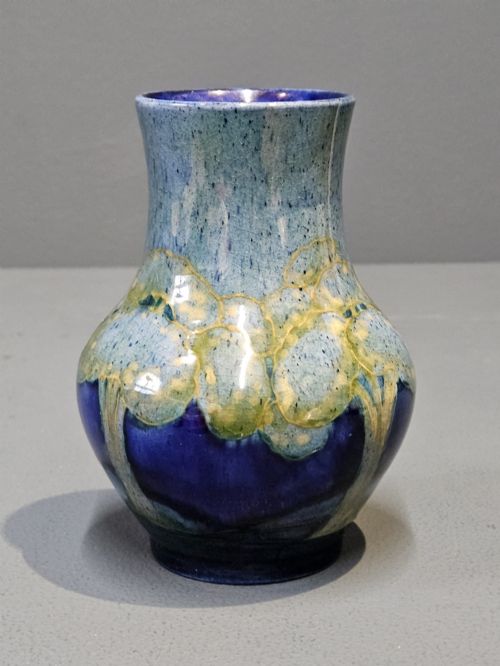
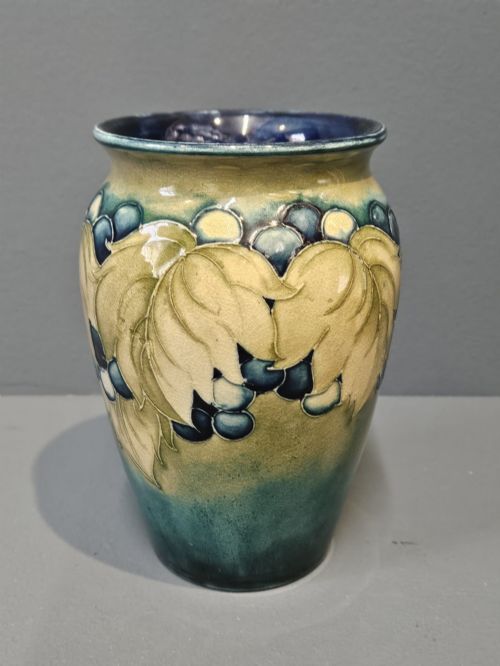
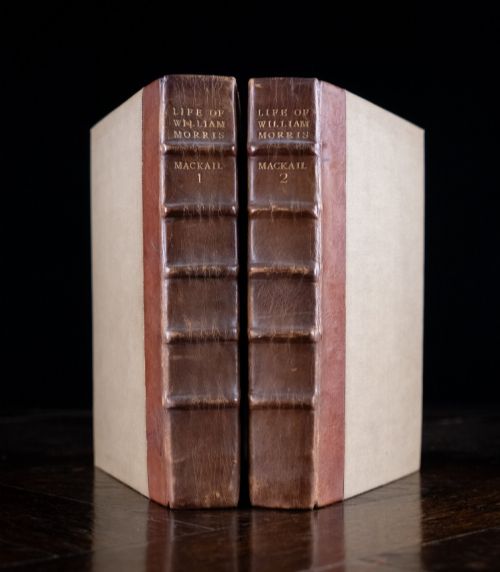
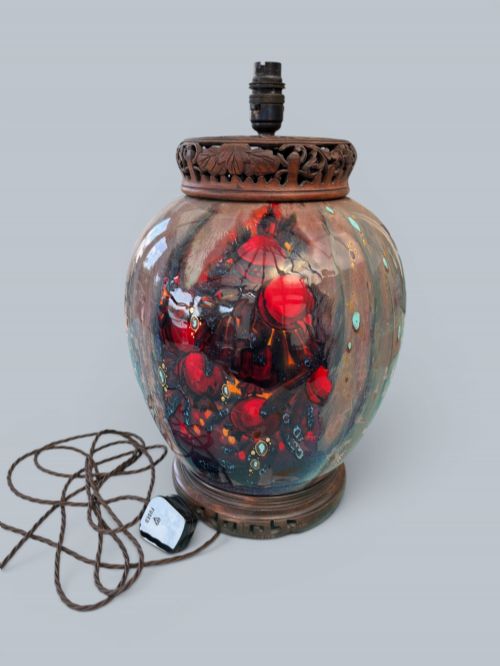
Vases and decorative bowls dominate the offerings, frequently displaying signature glazes or naturalistic motifs. Alongside ceramics, you find functional metalwork, desk furniture, and antiquarian books that reflect the philosophy of the movement.
Origins stretch across Victorian, Edwardian, and later periods, capturing the evolution of design from early revivalism to Art Deco integration. Buyers meet both mass-produced items of the era and singular studio pieces created by notable designers.
Materials and methods
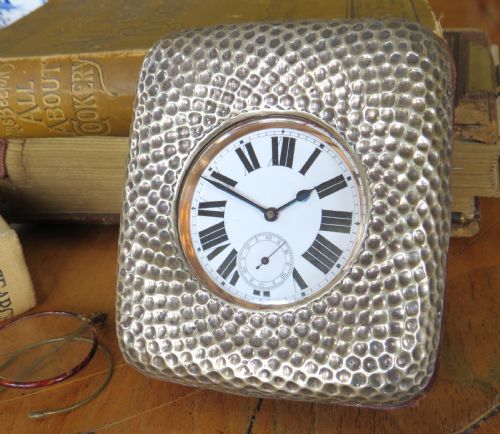
Earthenware and ceramic bodies form the foundation of many pieces, shaped by hand and finished with rich, reactive glazes that highlight individual firing characteristics. Metalwork utilises brass, silver, and enamel, often shaped into utilitarian objects bearing subtle hand-hammered textures.
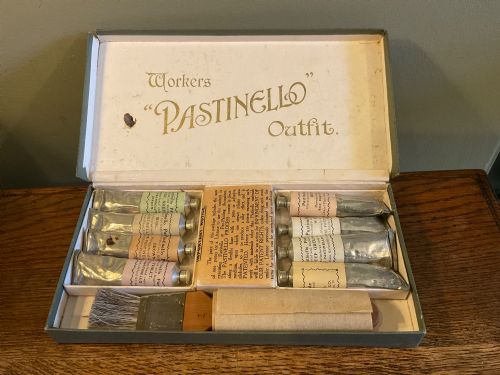
Wood construction relies on traditional joinery methods, visible in bureaus and smaller decorative boxes fashioned from solid timbers. Paper and card appear in period books and painting sets, utilising traditional binding and printing techniques of the era.
Arts and Crafts Collectible Retail Price Guide 2026
Typical asking prices for arts and crafts collectible among the pieces listed under this phrase on Sellingantiques today, from the lower quarter to the upper quarter. They describe what is for sale here now, not the wider market.
Listings feature ceramics, metalwork, and wood spanning the nineteenth and twentieth centuries.
Assessing quality and execution
Superior examples demonstrate crisp execution in design details, such as the depth of carved patterns on pottery or the precision of enamel work on silver. The distinct presence of a maker's mark or designer signature elevates an object, proving attribution to established potteries or prominent figures.
The integrity of materials and the preservation of original surfaces dictate desirability, where untouched patination on metal and minimal restoration on ceramic glazes remain paramount. Proportion and balance within the decorative scheme distinguish ambitious studio output from standard commercial manufacture.
William Moorcroft·Liberty and Co·Archibald Knox·Robert Mouseman Thompson·Emma Shute
The Arts and Crafts Collectible Glossary
- Celadon
- A pale green jade-like glaze originating in Asian ceramics and later adopted by Western potteries for its subtle variation. It creates a tranquil surface on vases and bowls.
- Vesta
- A small pocket case designed to hold matches safely. They were frequently manufactured from silver and incorporated decorative enamel or engraving.
- Pendant
- An ornament suspended from a chain worn around the neck. In this context, they often feature metalwork and gemstone or enamel embellishments typical of the period.
- Plinth
- A heavy base or platform supporting a primary object or model. It provides stability and visual elevation to presentation items.
Arts and Crafts Collectible: Frequently Asked Questions
What defines an arts and crafts collectible?
These pieces originate from a design movement that championed hand craftsmanship over industrial manufacture, focusing on natural forms, honest materials, and functional utility.
Items span ceramics, silver, and wood, often bearing the distinct touch of individual designers and workshops rather than anonymous factory production.
How do I care for antique pottery?
Display ceramic pieces away from direct sunlight to protect the stability of coloured glazes and decorative enamel surfaces from fading over time.
Clean surfaces gently with a dry or barely damp soft cloth, avoiding harsh chemical cleaners that might compromise historic glazes.
Are silver items hallmarked?
Many silver pieces feature stamped hallmarks indicating the assay office, standard of metal purity, and year of manufacture.
These tiny marks provide a secure method for dating objects accurately and verifying the maker's workshop.
How were these items used originally?
Most objects served practical domestic purposes, from lighting rooms and holding tobacco to organising correspondence at a desk.
They combined everyday utility with thoughtful artistry, intended to enrich standard living environments through well-designed domestic goods.