





Art Nouveau Table Light
An art nouveau table light brings fluid organic lines and sculptural warmth to a room, illuminating spaces through stylised floral motifs and sinuous metalwork.
Art Nouveau Table Light
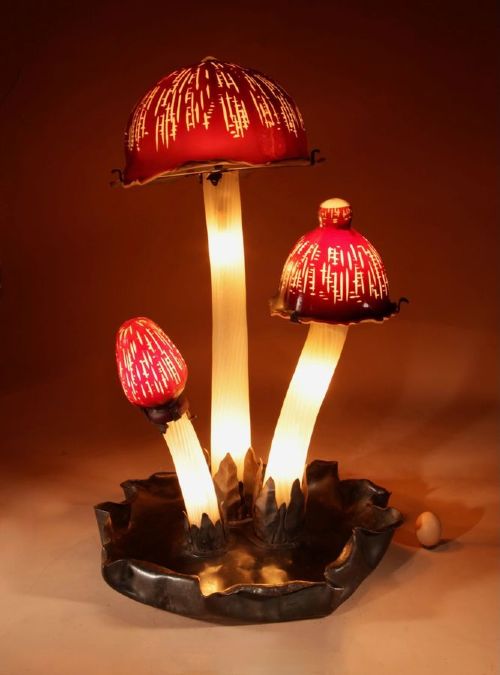
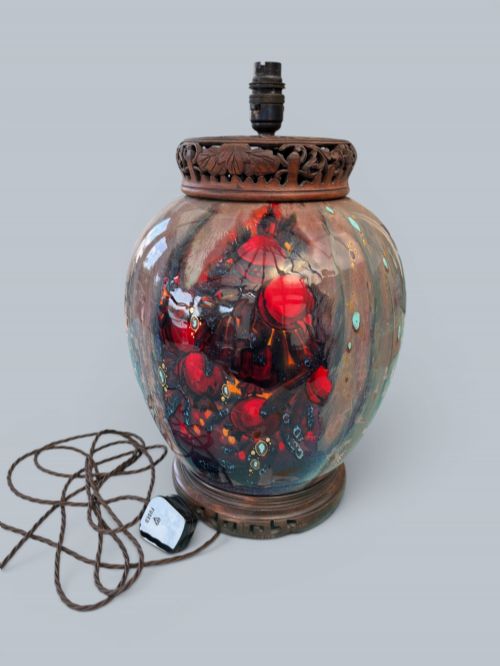
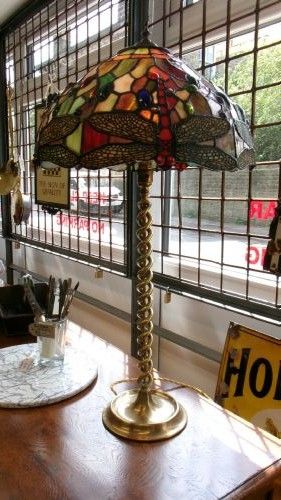
An art nouveau table light encompasses a range of domestic illumination from the late nineteenth and early twentieth centuries, including desk lamps, oil lamps, and figural lighting. These objects channel the international movement towards natural forms, often featuring whiplash curves and botanical themes.
On this page, buyers regularly encounter pieces spanning the 1880s to the 1930s, reflecting broader European and British design aesthetics such as Jugendstil and Arts and Crafts. Brass, bronze, and frosted glass dominate the physical forms available to collectors.
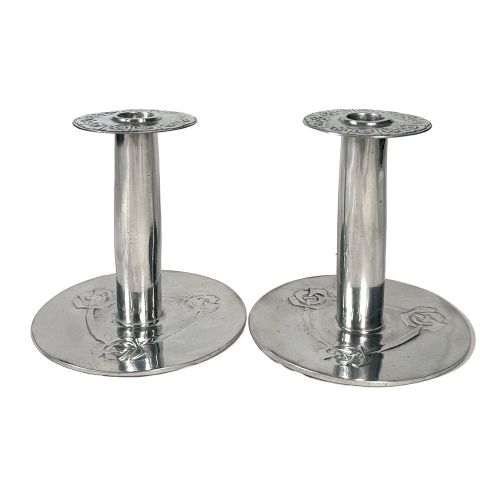
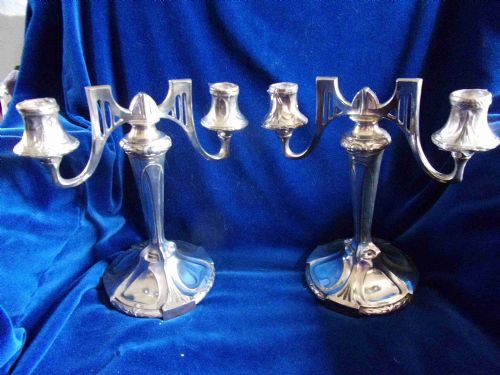
Alongside dedicated table and desk lamps, the selection includes related items like candelabra and oil-burning variants converted for domestic use. Each piece demonstrates the period's transition from practical utility to expressive interior art.
Materials and construction
Foundry techniques defined the construction of metal bodies, utilising cast bronze, brass, and plated spelter to achieve intricate sculptural details. Makers employed patination, silver-plating, and ormolu finishes to create tonal depth across figures and floral stems.
Shades and decorative bowls relied heavily on glasswork, ranging from hand-blown bubbles to acid-etched and enamelled surfaces. Frosted glass and glass cabochons were integrated into metal mounts to diffuse light softly.
Materials recorded across the inventory include brass, bronze, copper, spelter, fabric, and multiple varieties of glass.
Evaluating craftsmanship
Quality rests on the crispness of the casting and the artistic execution of the sculptural elements, particularly in figural bases depicting human or floral forms. Superior examples display carefully chased details and harmonious proportions between base and shade.
The integrity of the materials, such as heavy gauge copper, solid bronze, or thick hand-blown glass, distinguishes finer workshop production from mass-market output. Maker attribution and signed mounts elevate certain pieces beyond standard decorative output.
L & F Moreau·Gustave Serrurier Bovy·Moorcroft·Georges Leleu·WAS Benson·Daum·The Charles Parker Company·Jan Eisenlöffel·Ivan Zaiec·Tiffany Studios·Messengers·Henri Honore Ple·Auguste Moreau
The Art Nouveau Table Light Glossary
- Spelter
- A zinc alloy commonly utilised as a less expensive alternative to bronze for figural lamp bases. It takes patination well but requires gentle handling due to its relative softness.
- Secessionist
- A style associated with Central European artists breaking away from traditional academic art. It favours geometric discipline combined with organic floral detailing.
- Jugendstil
- The German counterpart to the French art nouveau movement. This term identifies designs heavily influenced by youthful, energetic linear patterns derived from plant forms.
- Cabochon
- A polished, convex gem or piece of glass cut without facets. In lighting, these are frequently set directly into metal frames to catch and refract light.
- Ormolu
- Gilded bronze produced by applying a finely ground gold-mercury amalgam to a bronze base. This technique creates a rich, lasting golden surface finish.
Art Nouveau Table Light: Frequently Asked Questions
What fuels did early art nouveau lamps use?
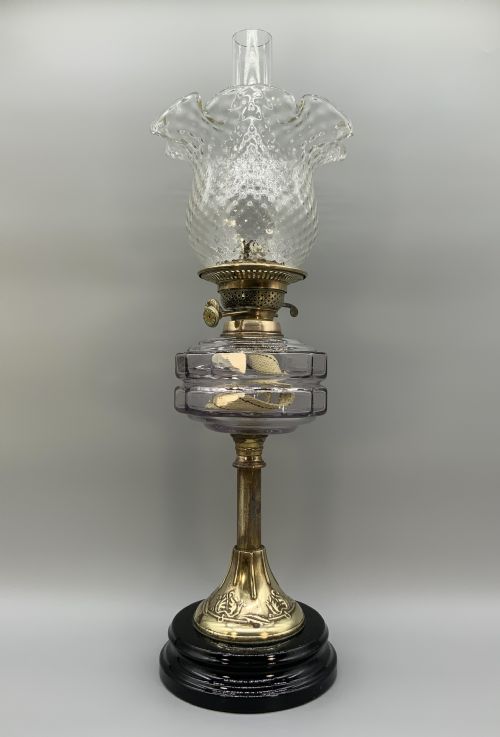
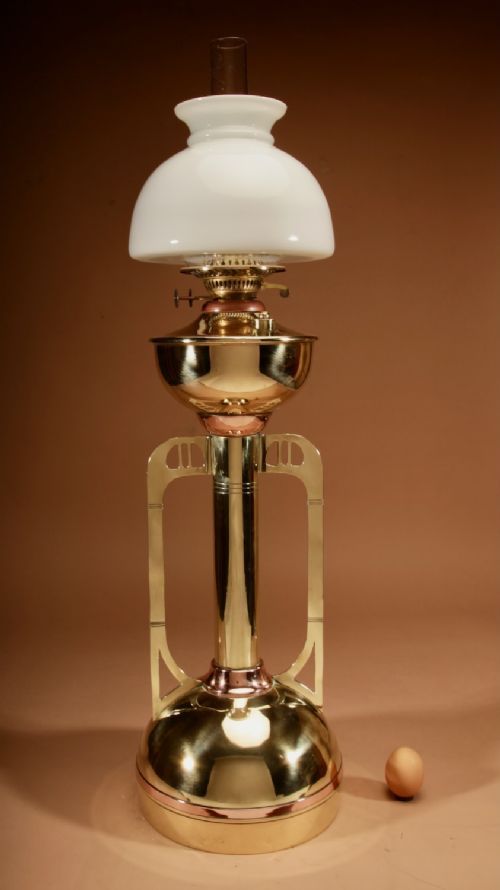
Many early table lights functioned as oil lamps, burning paraffin before widespread domestic electrification transformed interior lighting. Makers designed decorative reservoirs in ceramic, glass, and brass to hold the fuel safely.
Over subsequent decades, a vast majority of these surviving oil lamps and candelabra were converted to electricity for modern convenience. Rewired components now allow these antique bodies to function as standard desk and table lighting.
How do I identify a Jugendstil lamp?
Jugendstil lighting originates from the German-speaking art movement of the early twentieth century. These pieces often exhibit a slightly more structured approach to organic curves than their French counterparts.
Look for stylised plant motifs, hammered metal textures, and geometric integrations typical of Secessionist influence. The makers often favored brass and copper over the heavily patinated bronzes seen in France.
Are spelter lamps less desirable than bronze?
Spelter served as a popular, economical alternative to bronze for figural bases, allowing for mass production of detailed sculptures. While generally valued lower than solid bronze, fine spelter examples signed by notable sculptors remain highly collectible.
The metal is softer and more brittle than bronze, meaning surviving pieces require careful preservation. Patination on spelter was often painted rather than chemically induced.
How do I live safely with antique lighting?
Most antique table lights from this era have undergone rewiring to meet contemporary safety standards. Collectors should inspect the internal wiring and consult professionals if any fabric cords or lamp holders appear archaic.
Original glass shades require gentle maintenance using dry cloths rather than harsh chemical cleaners. Positioning these lamps away from high-traffic edges protects fragile glass components and delicate metal arms.