




Art Nouveau Jug
An art nouveau jug brings organic lines and flowing floral motifs directly to the table, offering a functional piece of turn-of-the-century design history.
Art Nouveau Jug
An art nouveau jug encompasses a variety of domestic vessels produced primarily around nineteen hundred, ranging from ceramic wash sets and stoneware pitchers to metal ewers and glass decanters. These objects capture the characteristic fluid, nature-inspired motifs of the movement, reflecting both continental European workshops and British Arts and Crafts production.
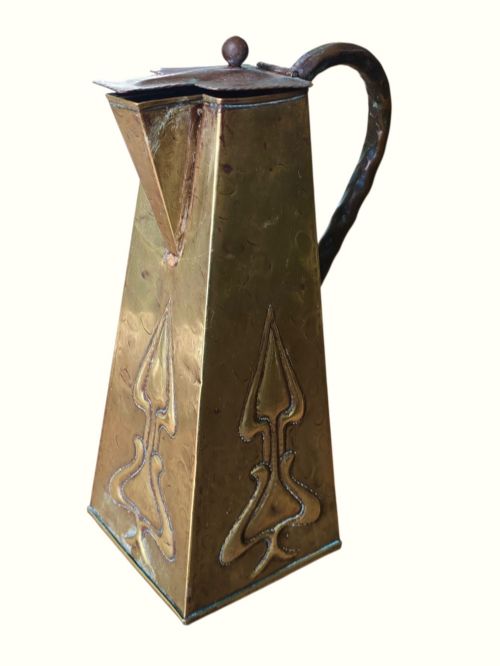
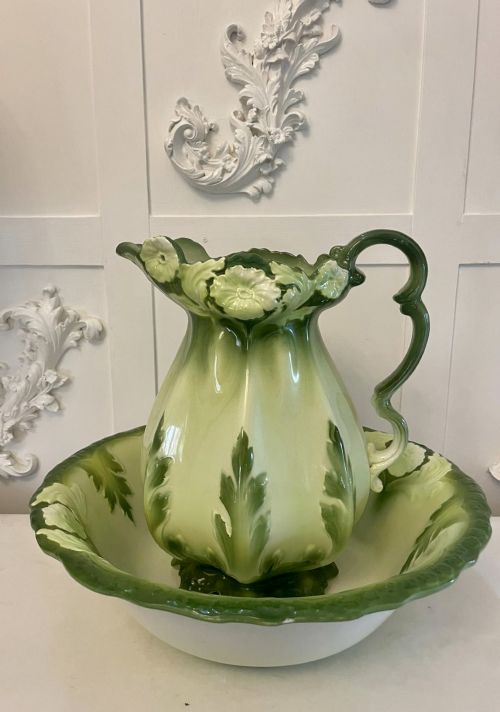
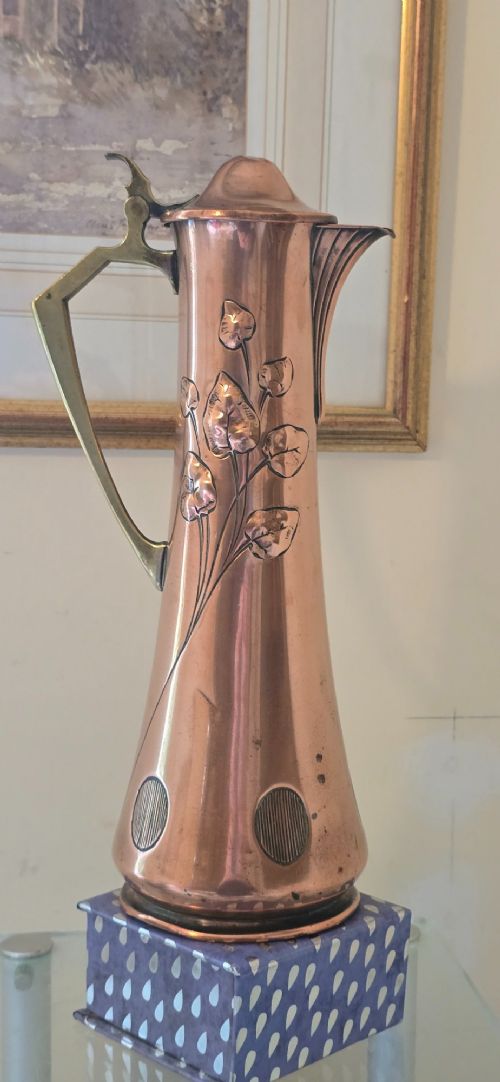
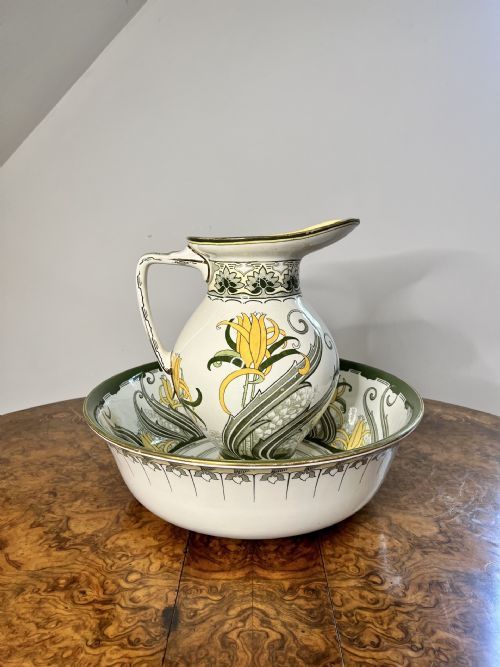
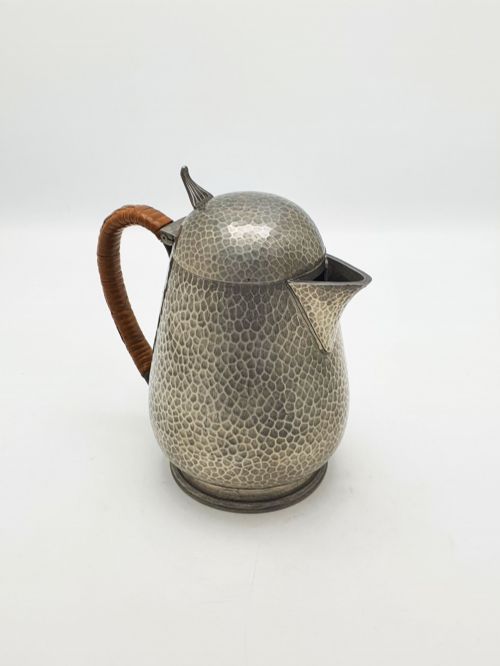
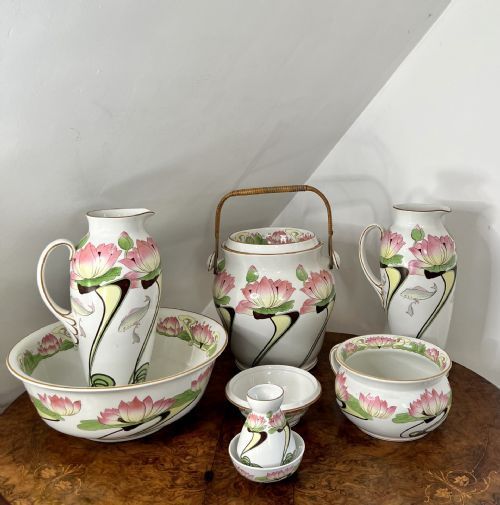
Buyers will encounter multiple functional forms on this page, including large jug and bowl sets intended for Edwardian bedrooms alongside smaller claret jugs, beer flagons, and coffee pots. Materials vary widely between pieces, featuring glazed earthenware, pewter, copper, and glass combinations.
The aesthetic bridges late Victorian sensibilities and early twentieth-century modernist ideals, incorporating organic silhouettes, plant-inspired relief work, and stylized human figures into everyday household items.
How they were made
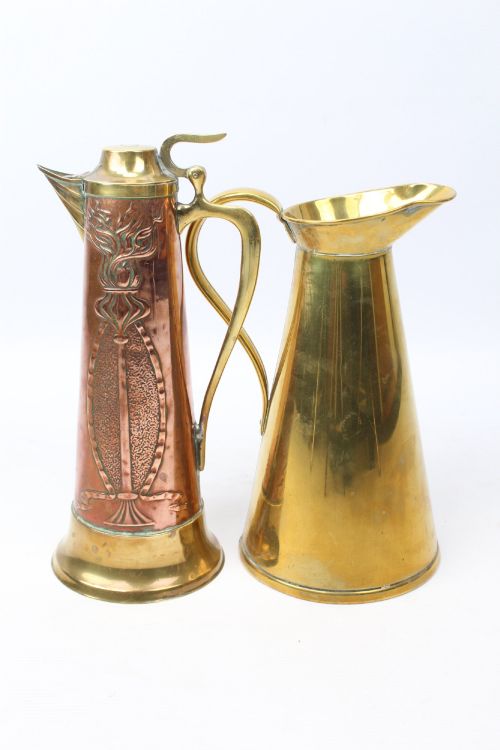
Makers utilised a combination of cast metals, blown glass, and fired ceramics to achieve the characteristic forms seen in these listings. Pewter and copper components often involved intricate metalworking techniques such as repousse relief work, casting, and applied silver plating.
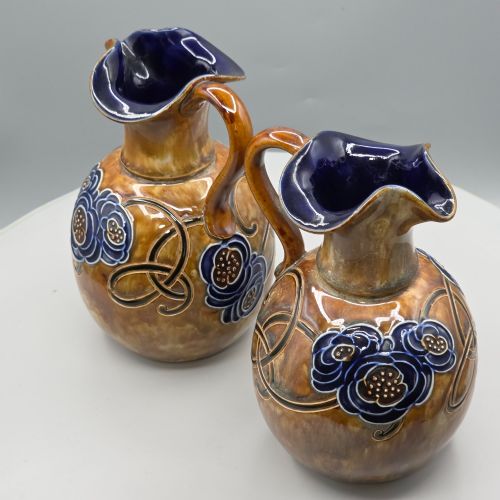
Ceramic vessels relied on traditional throwing and moulding methods, paired with specialised glazes or stoneware bodies to create varied surface textures. Glass elements frequently employed crackle techniques, applied enamel, or metallic mounts integrated directly into the body of the jug.
Art Nouveau Jug Retail Price Guide 2026
Typical asking prices for art nouveau jug among the pieces listed under this phrase on Sellingantiques today, from the lower quarter to the upper quarter. They describe what is for sale here now, not the wider market.
Materials represented across the collection include pewter, copper, brass, silver plate, ceramic, earthenware, crackle glass, and cane handles.
What varies in quality
The distinction between standard domestic wares and top-tier examples often lies in the sophistication of the design and the reputation of the designing studio or metalworker. Pieces associated with notable designers and prominent metalwork firms exhibit more deliberate sculptural execution, particularly in handle construction and surface relief.
Quality also rests on the preservation of original materials, such as intact glass liners within metal mounts, well-maintained patination on copper and pewter surfaces, and the clarity of applied glazes or enamels on ceramics.
WMF·Archibald Knox for Liberty and Co·Joseph Sankey·Doulton Lambeth·Loetz·Royal Dux·Christofle
The Art Nouveau Jug Glossary
- Ewer
- A large jug with a wide spout, traditionally used for holding water or wine.
- Pewter
- A malleable metal alloy consisting primarily of tin, used extensively for domestic vessels during the period.
- Claret jug
- A specialised pouring vessel designed specifically for serving red wine, often featuring a glass body with silver-plated mounts.
- Repousse
- A metalworking technique where the artisan hammers the design from the reverse side to form a raised relief on the front.
- Stoneware
- A heavy, dense ceramic fired at high temperatures to become completely impermeable to liquids without requiring glaze.
Art Nouveau Jug: Frequently Asked Questions
How were art nouveau jugs used?
These vessels served diverse domestic functions, ranging from washing and bathroom tasks to serving wine, beer, and coffee at the table. Larger pitcher and bowl sets belonged to bedroom washing stands before modern indoor plumbing became universal.
Smaller silver-plated and glass pieces functioned primarily in dining rooms for decanting and serving beverages during formal meals.
How do I care for pewter or copper jugs?
Metal vessels require gentle cleaning with soft cloths to preserve their historic patination and surface finishes. Avoid abrasive metal polishes that can strip away original silver plating or damage applied patinas.
Ceramic and glass versions tolerate careful hand washing with mild soap, though historical enamel details and stoppers demand extra caution during cleaning.
Can I use these antique jugs for daily service?
While structurally sound, many pieces function best as decorative objects or occasional display items due to their age and delicate historic materials. Unlined pewter and older ceramic glazes may not meet modern food safety standards for acidic beverages.
Glass decanters and robust stoneware pitchers generally handle gentle functional use better than complex figural metalwork or delicate art glass.