





Art Nouveau Frosted Glass
Art nouveau frosted glass captures a period of botanical forms and tactile surfaces designed to diffuse light softly through the home.
Art Nouveau Frosted Glass
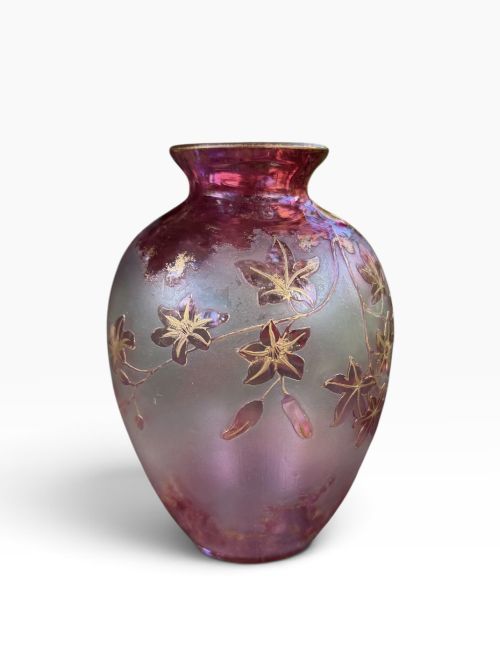
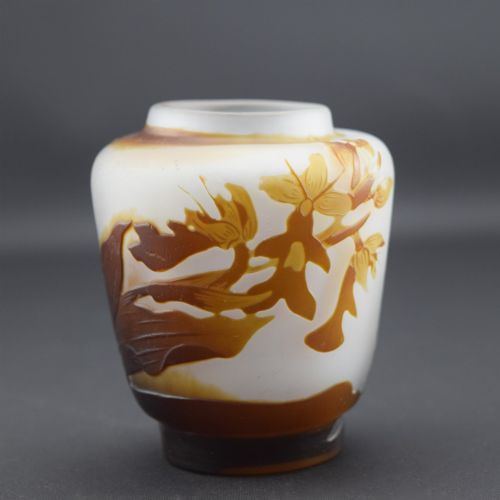
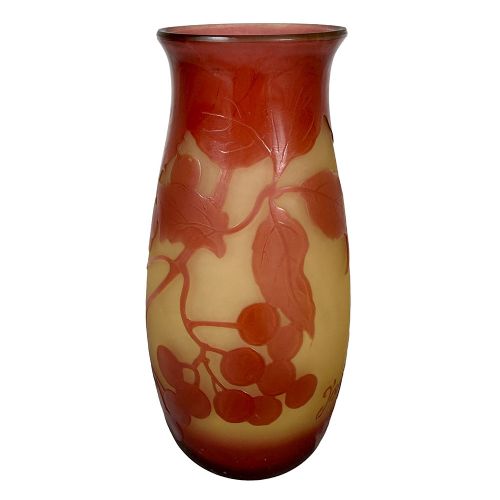
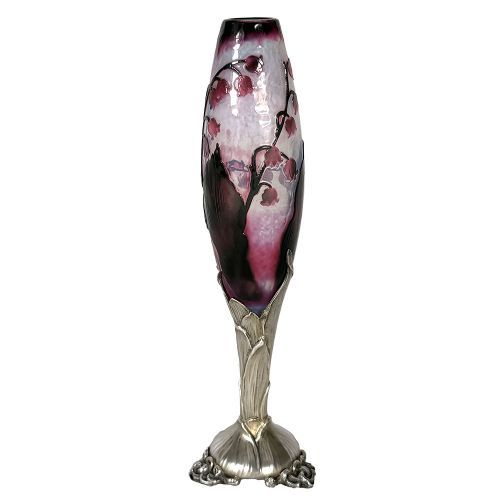
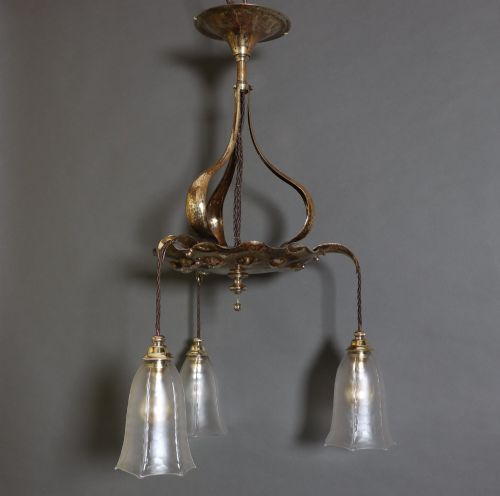
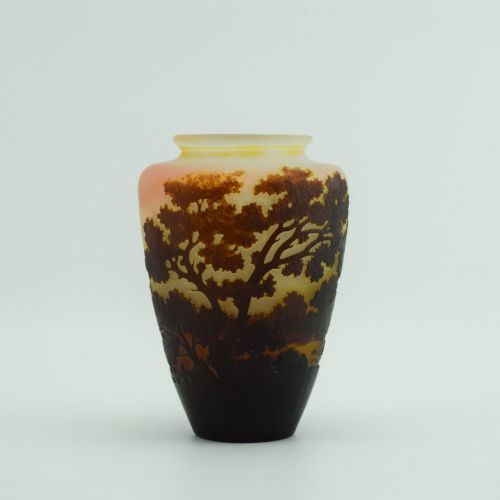
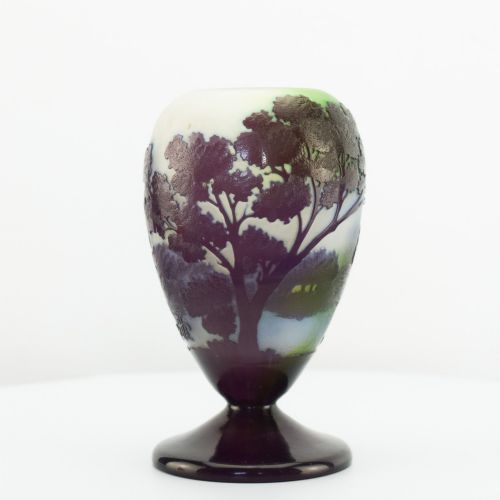
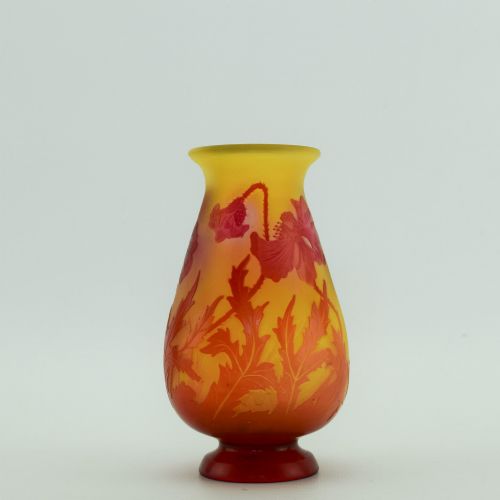
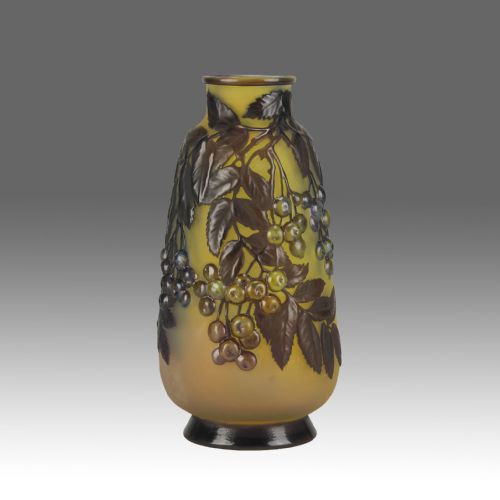
Art nouveau frosted glass encompasses decorative objects and domestic lighting created predominantly around the turn of the twentieth century. Vases, dressing table jars, and pendant lights dominate the selections found on this page.
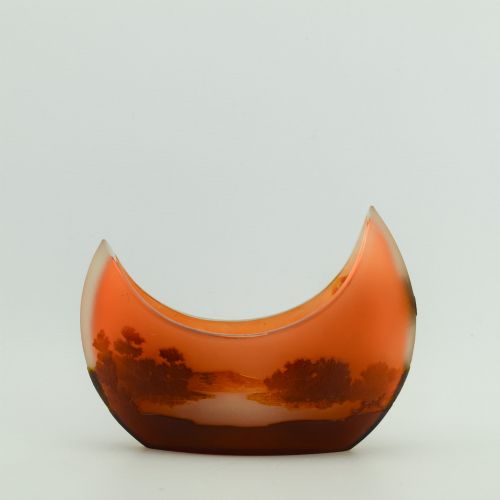
Makers utilised acid-etching and cameo techniques to render translucent surfaces opaque and textured. Floral and landscape motifs define the aesthetic, capturing the natural forms characteristic of French and British design from the period.
How they were made
Glassmakers applied layers of coloured glass before using acid-etching techniques to carve away material and reveal contrasting backgrounds. This process created the characteristic matte texture of frosted glass.
Mounts and lamp bases combined glass with bronze, brass, and beaten copper. Enamel and staining were frequently added to highlight botanical details on vases and scent bottles.
Art Nouveau Frosted Glass Retail Price Guide 2026
Typical asking prices for art nouveau frosted glass among the pieces listed under this phrase on Sellingantiques today, from the lower quarter to the upper quarter. They describe what is for sale here now, not the wider market.
Listings span the late nineteenth century through the nineteen-thirties, dominated by French cameo glass vases and British lighting.
What varies in quality
Depth of carving and clarity of botanical detail separate standard production pieces from masterworks. The precision in layering glass colours dictates the visual impact of cameo designs.
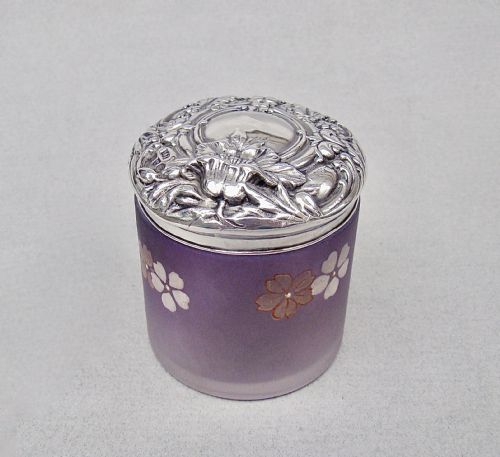
Quality also resides in the integration of metalwork mounts, where finely cast bronze or silver lids complement the frosted body rather than overpower it.
Emile Galle·Rene Lalique·Daum Nancy·Legras·F And C Osler·Levi And Salaman
The Art Nouveau Frosted Glass Glossary
- Cameo Glass
- Glass vessels formed with multiple layers of different coloured glass, then carved or acid-etched to create a raised design. This technique yields a distinct contrast between foreground motifs and the background.
- Acid-Etched Glass
- Glass treated with acid to eat away the surface, producing a non-reflective, frosted appearance. It allows makers to achieve subtle tonal gradients.
- Pate de Verre
- A method of glass casting where finely crushed glass is mixed with a binder and fired in a kiln. The resulting pieces possess a dense, sugary texture.
- Soufflé
- A cameo glass technique involving air pressure to expand the glass during the blowing process. This creates a lighter, puffed relief.
- Opalescent Glass
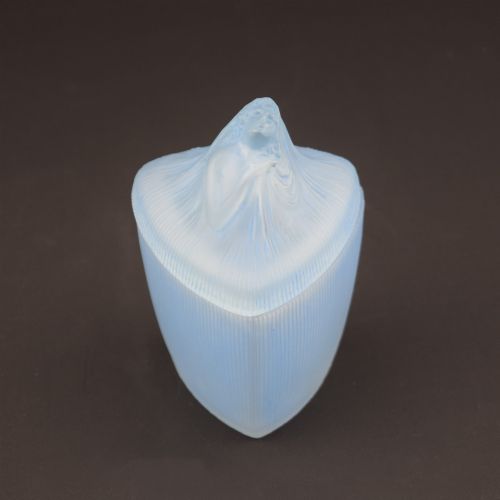
- Glass that displays a milky, iridescent appearance, shifting in tone when viewed from different angles.
Art Nouveau Frosted Glass: Frequently Asked Questions
How do I clean frosted glass?
Wash gently in warm water using a mild, unscented soap. Avoid abrasive cloths that might damage the textured surface.
Dry thoroughly with a soft microfibre cloth to prevent water spots from settling on the matte finish.
Were these lights electrified originally?
Many pendant lights and desk lamps were adapted from oil or gas fittings during the early twentieth century. Rewiring is common to meet modern safety standards while retaining original metal components.
Examine the wiring casing to determine if conversion work occurred later in the piece's history.
How can I identify cameo glass?
Run a finger lightly across the surface to feel the physical relief of the design. The raised motifs sit proud of the contrasting background layer.
Look for signature markings etched directly into the glass body near the base.
Where were these pieces made?
France and Britain were the primary centres of production, with notable workshops operating in Nancy and Paris. French pieces often feature prominent maker signatures.
British items frequently incorporate silver mounts bearing assay office hallmarks from cities such as Birmingham and Chester.