


Art Nouveau Decorative Art
Art nouveau decorative art comprises the fluid ceramics, iridescent glass and sinuous metalwork that collectors choose for organic line and craftsmanship.
Art Nouveau Decorative Art
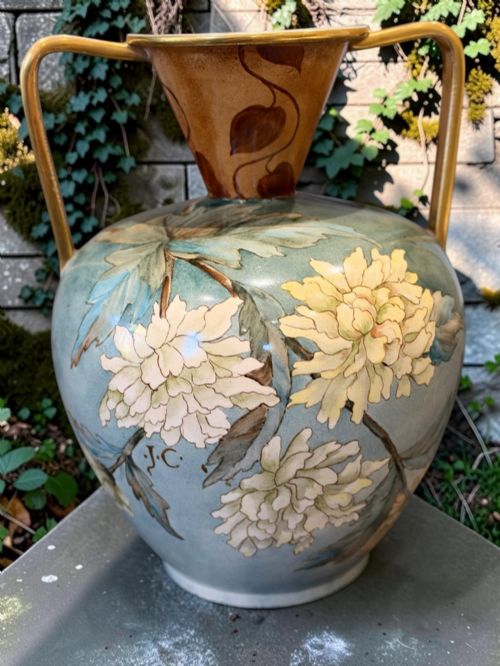
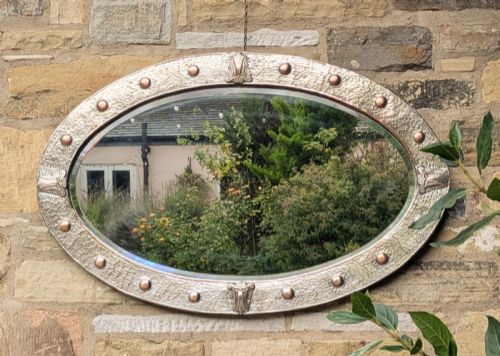
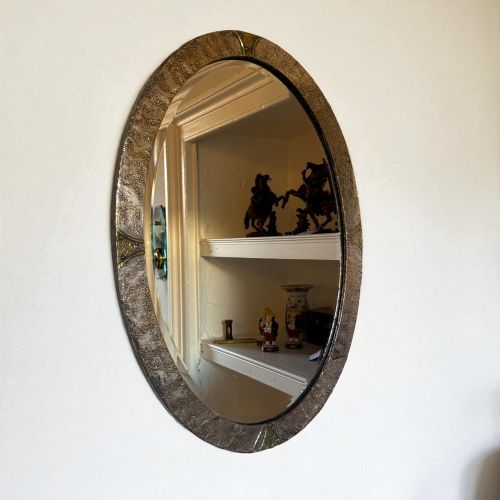
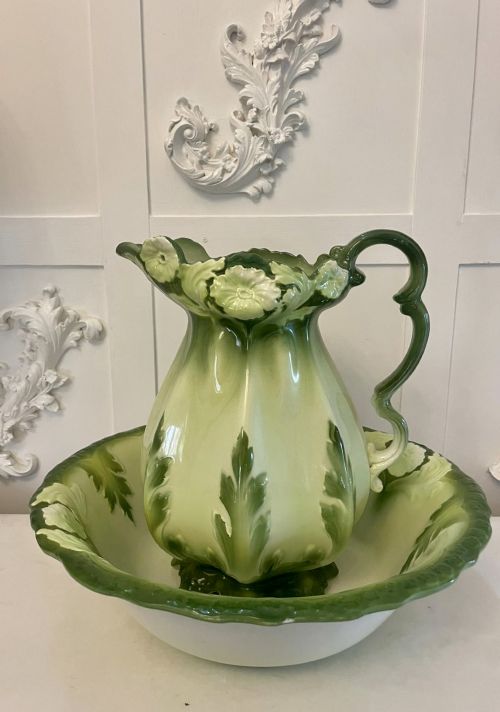
Art nouveau decorative art encompasses diverse objects shaped by organic motifs, fluid curves and the artistic ambitions of the late nineteenth and early twentieth centuries. When searching for art nouveau decorative art, buyers encounter items ranging from vases and wall mirrors to sculptures and wash jug and bowl sets.
The selections span periods including the Victorian era, Edwardian years, and decades such as 1900, 1910, 1920, and 1930. Alongside core art nouveau styles, related movements such as arts and crafts, art deco, jugendstil, vienna secession, and edwardian art pottery appear across the inventory.
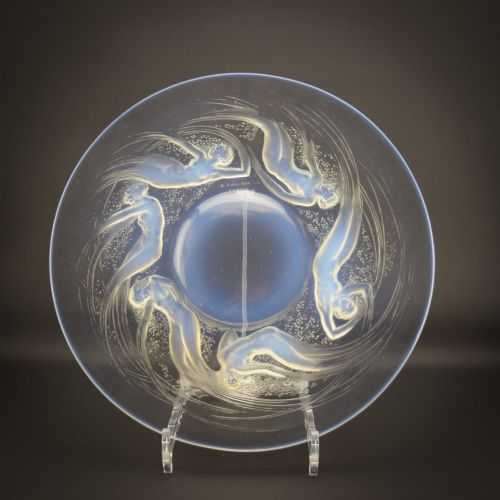
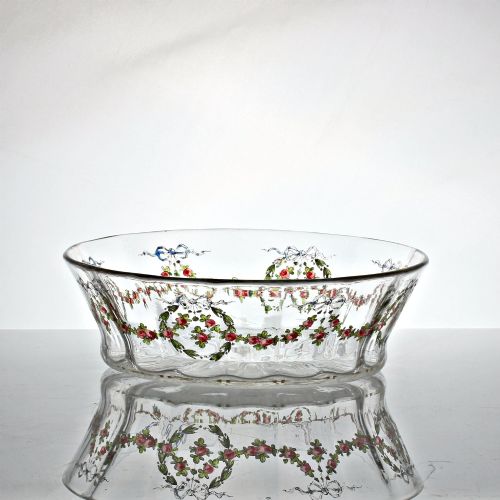
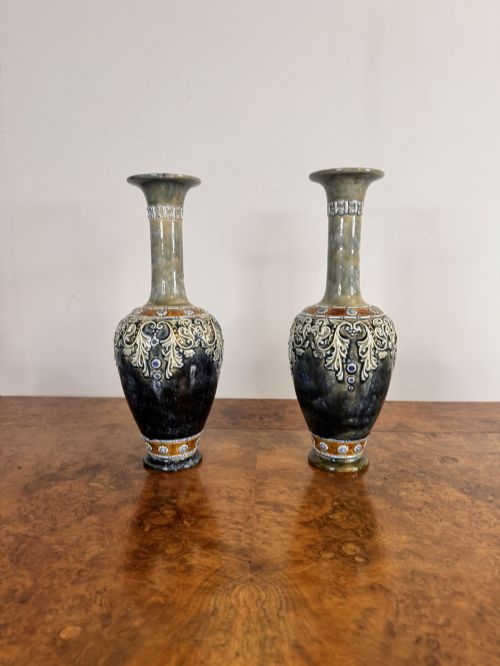
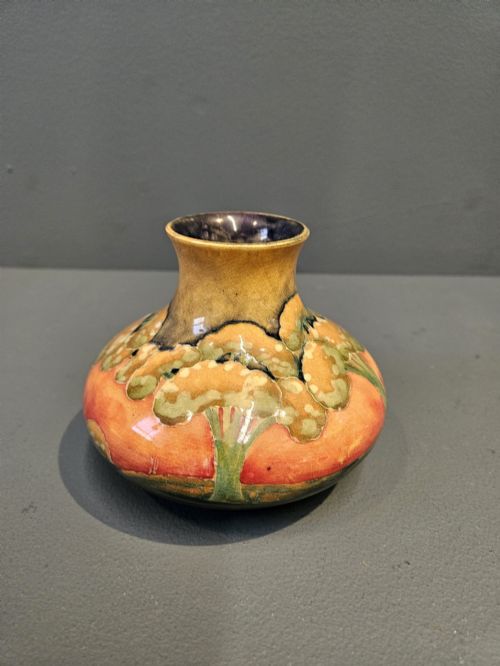
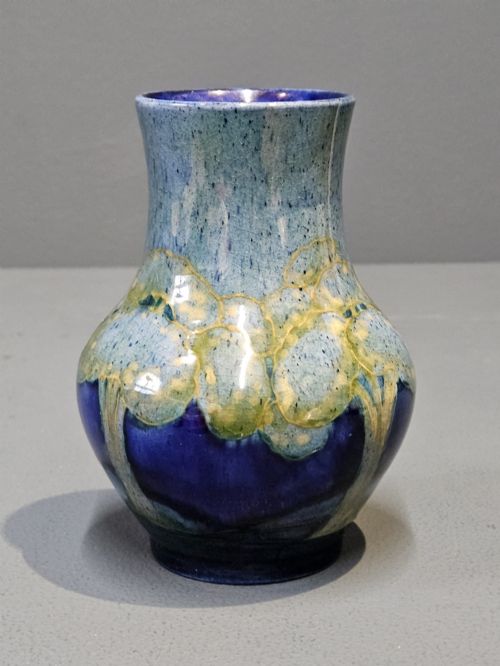
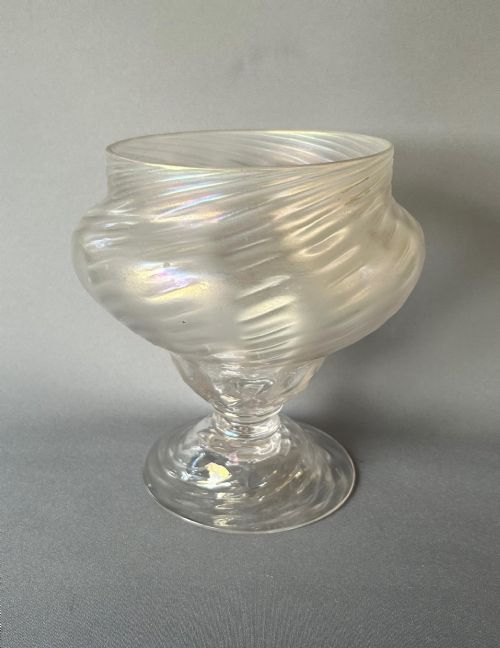
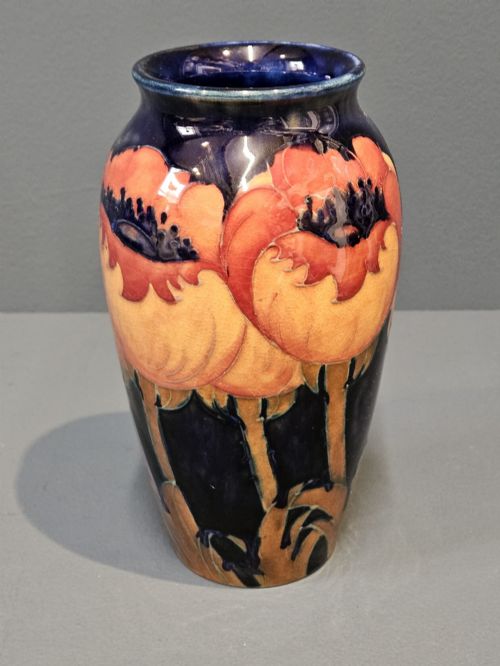
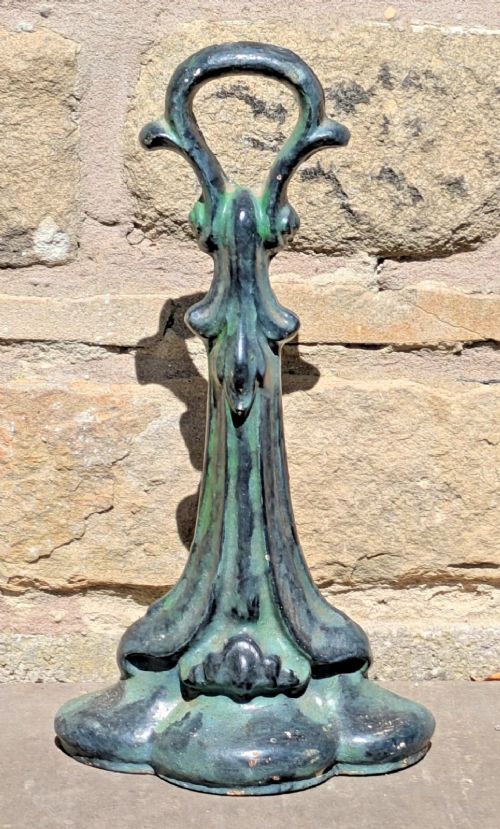
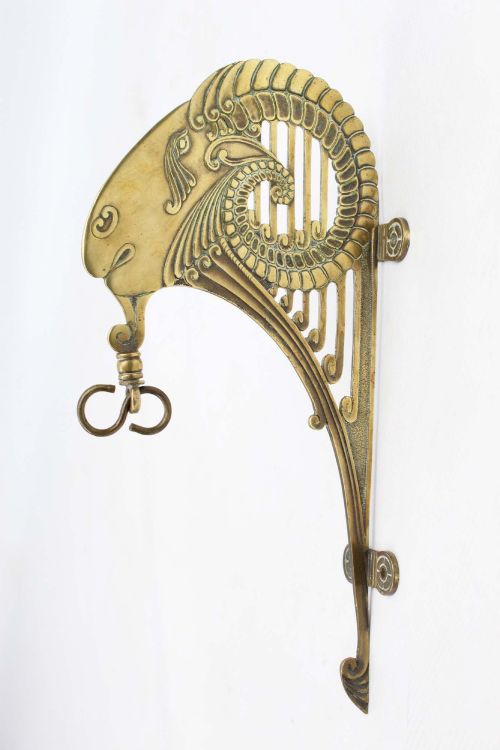
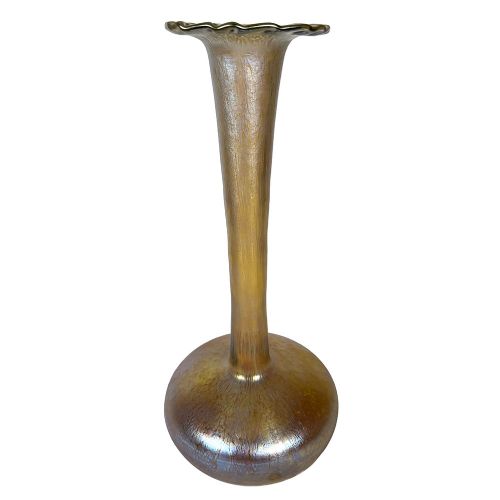
Vases dominate the forms, rendered in ceramic, earthenware, cameo glass, and glazed finishes. Alongside these sit brass wall brackets, pewter bowls, gilt bronze busts, carved alabaster sculptures, and oak seating.
How they were made
Makers utilised specialised techniques across glass, ceramic and metal media, combining traditional craftsmanship with innovative chemical treatments. Cameo glass vessels display layered acidic cutting, while ceramic pieces employ reactive glazes, enamels, and gold leaf applications.
Metalwork relies on hammering, casting in gilt bronze or brass, and silver-plated mounts. Structural elements incorporate carved woods like oak or gilt wood alongside marble tops and alabaster sculpture.
Art Nouveau Decorative Art Retail Price Guide 2026
Typical asking prices for art nouveau decorative art among the pieces listed under this phrase on Sellingantiques today, from the lower quarter to the upper quarter. They describe what is for sale here now, not the wider market.
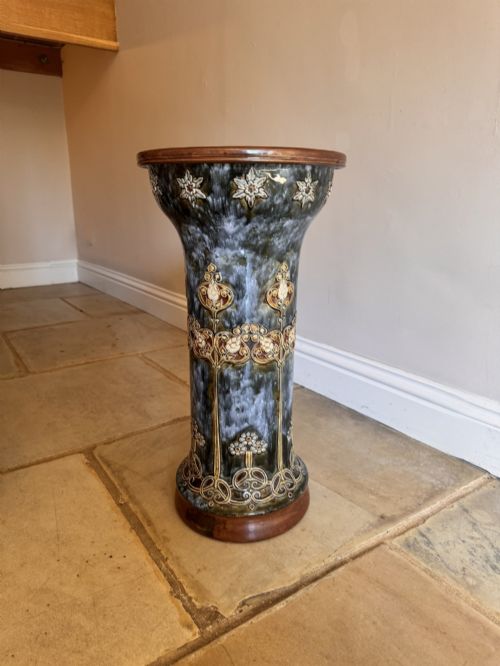
Object forms include baluster vases, wall mirrors, umbrella stands, decorative plaques, and table lamps.
What varies in quality
Quality separates through the ambition of design and the precision of execution in the medium. Hand-painted details, complex iridescent glass décors like straw papillon, and deep cameo glass carving distinguish finer pieces from simpler commercial output.
The reputation of the studio, pottery, or metalwork workshop governs distinction. Signed bronzes, documented ceramic patterns, and identified glass or pewter models command greater interest than unmarked work.
Moorcroft·Royal Doulton·Loetz·Daum Frères·Wedgwood
The Art Nouveau Decorative Art Glossary
- Cameo glass
- Glass vessels created with multiple fused layers of different colours that are etched or carved away to reveal a contrasting design. This technique allows for intricate multi-toned floral or landscape motifs.
- Iridescent glass
- Glass treated with metallic salts while hot to produce a shimmering, rainbow-like surface effect. Loetz and other makers utilised this process to mimic the sheen of beetle wings or oil films.
- Stoneware
- A dense, vitreous ceramic fired at high temperatures, impervious to liquid even without glaze. Royal Doulton and Mettlach frequently employed this durable body for decorative plaques and vases.
- Jugendstil
- The continental German-language variant of art nouveau, prominent in Austria and Germany. It shares the organic, plant-inspired lines characteristic of the broader international movement.
- Pewter
- A malleable metal alloy composed principally of tin, used for cast bowls and desk accessories. Liberty & Co produced notable ranges under names like Tudric pewter.
- Baluster
- An architectural term describing a vase or pillar shape with a swelling lower body tapering to a narrower neck. Many ceramic and stoneware vessels adopt this balanced profile.
Art Nouveau Decorative Art: Frequently Asked Questions
What defines art nouveau decorative art?
Art nouveau decorative art is characterised by asymmetrical lines, flowing plant-inspired curves, and natural forms derived from stems, flowers, and insect wings. The aesthetic spans numerous media, uniting sculpture, ceramics, and glass under a shared organic philosophy.
Objects from this movement reflect a rejection of rigid industrial standardisation in favour of artist-designed household items. Craftsmanship and imaginative material handling remain central to the pieces created during this period.
How do I care for cameo glass?
Cameo glass requires gentle handling and cleaning with a soft, dry cloth to remove dust. Avoid harsh chemical cleaners or abrasive sponges that might damage the delicate acid-etched surface layers.
Display these vessels away from direct sunlight and temperature extremes to protect the glass composition. Stable shelving prevents accidental knocks to footed or slender vase forms.
Where were these pieces made?
Production centres spread across Europe and Britain, with notable workshops operating in France, Austria, Germany, and England. Specific regions developed distinct specialisms, such as cameo glass in France and iridescent glass in Bohemia and Austria.
British potteries concentrated in London and regional centres, while continental foundries produced cast bronzes and metalwares. Each region contributed specific stylistic traits to the broader movement.
How do I distinguish art nouveau from art deco?
Art nouveau relies on flowing, curved lines inspired by organic growth and natural asymmetry. Forms often mimic plant stems, tendrils, and female figures with cascading hair.
Art deco favours geometric precision, symmetry, and stylised industrial shapes. The later movement replaces the natural curves of art nouveau with sharp angles, chevrons, and streamlined silhouettes.