


Art Nouveau Brass
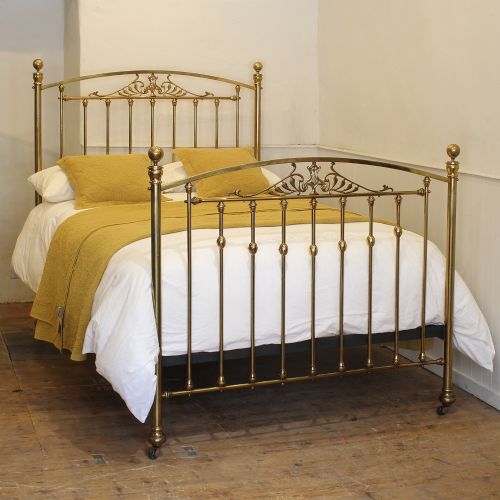
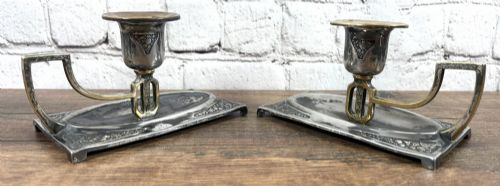
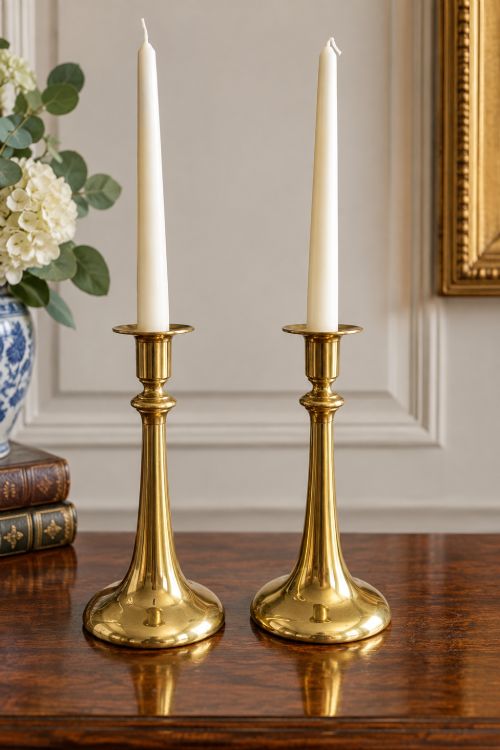
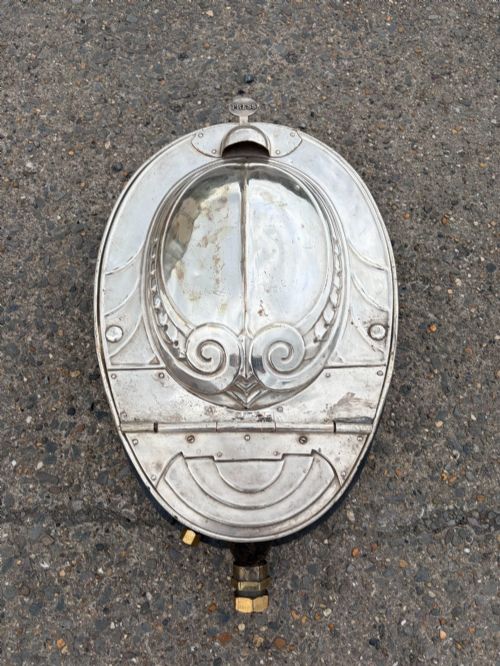
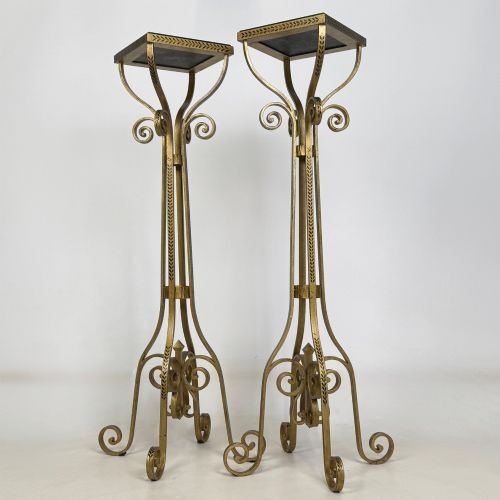
Art nouveau brass brings organic forms and fluid lines into domestic spaces through items like lamps, fenders, and candlesticks.
Art Nouveau Brass
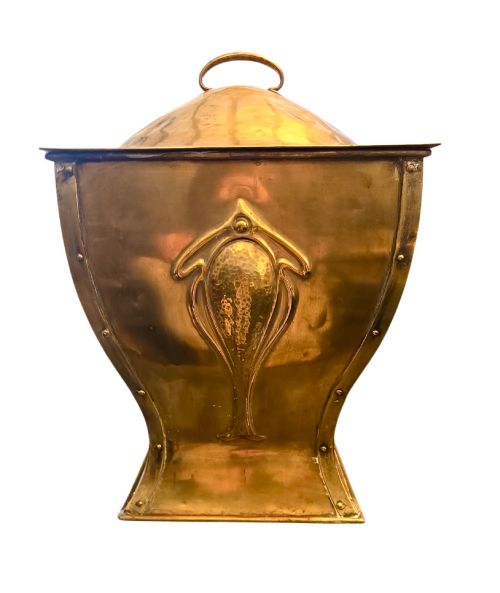
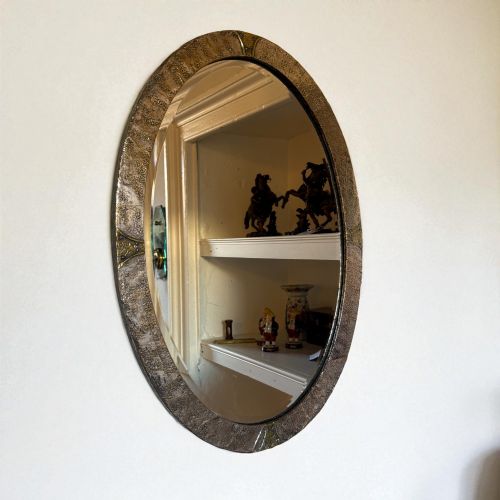
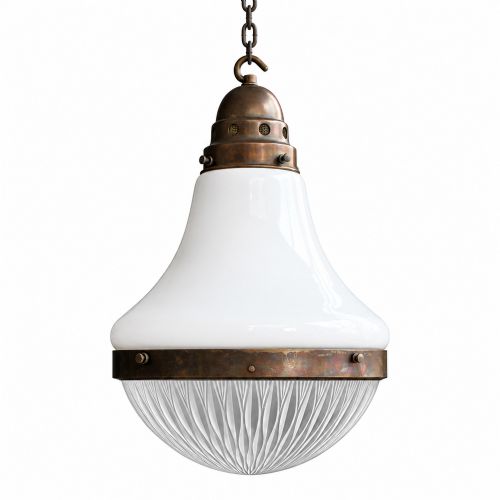
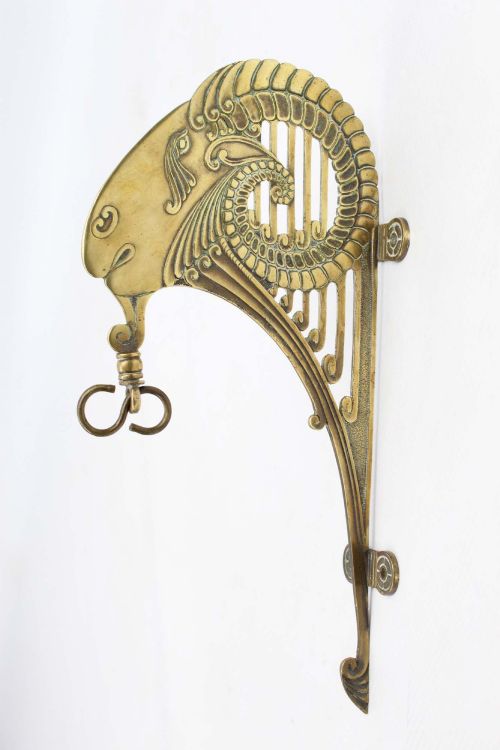
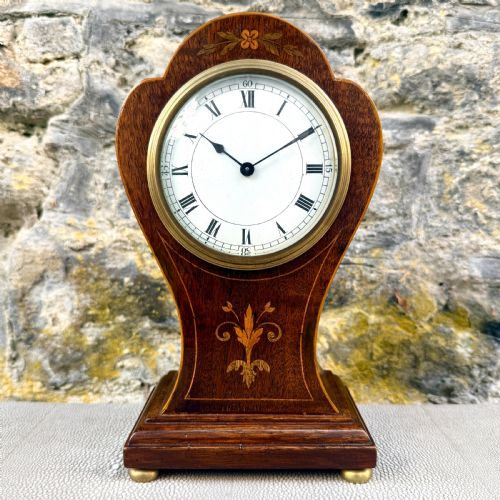
Art nouveau brass encompasses functional and decorative objects created during the late nineteenth and early twentieth centuries, capturing the sinuous, plant-inspired motifs of the movement. Buyers searching for art nouveau brass encounter items ranging from lighting fixtures and fireplace fenders to mirrors, clocks, and tableware.
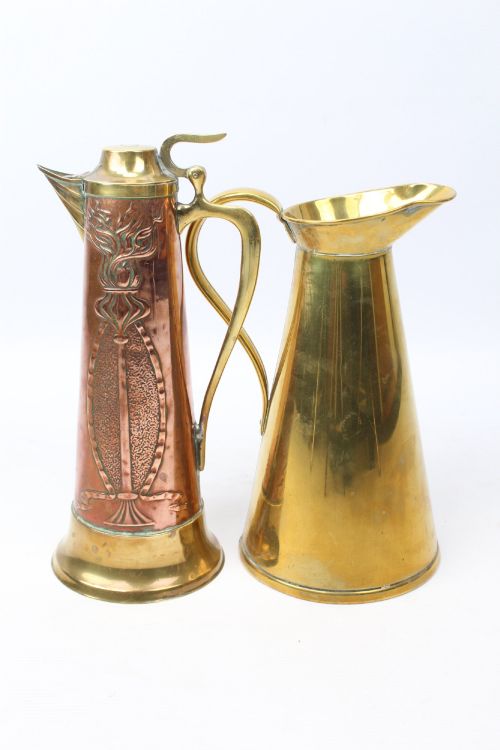
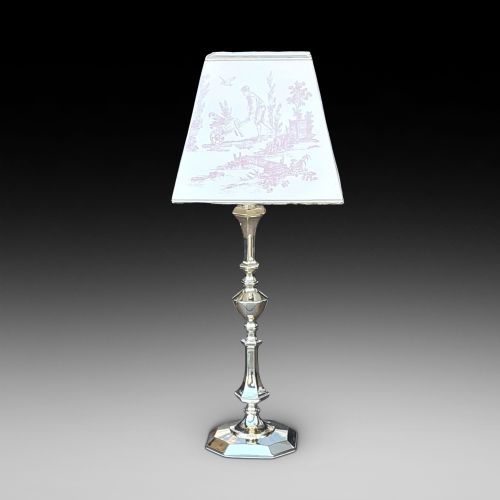
The selections on this page lean heavily towards domestic metalwork produced across British and continental workshops during the Edwardian period and around nineteen hundred. Table lamps, candlesticks, and brass jugs dominate the forms, alongside larger architectural pieces like wall sconces and standard lamps.
Materials and Working Methods
Items in this category combine brass with complementary metals such as copper, pewter, and gilt bronze, often paired with glass inserts, ceramic elements, or dark woods like mahogany and oak. Makers utilised sheet metal working, casting, and hand-finishing techniques to achieve tactile surfaces.
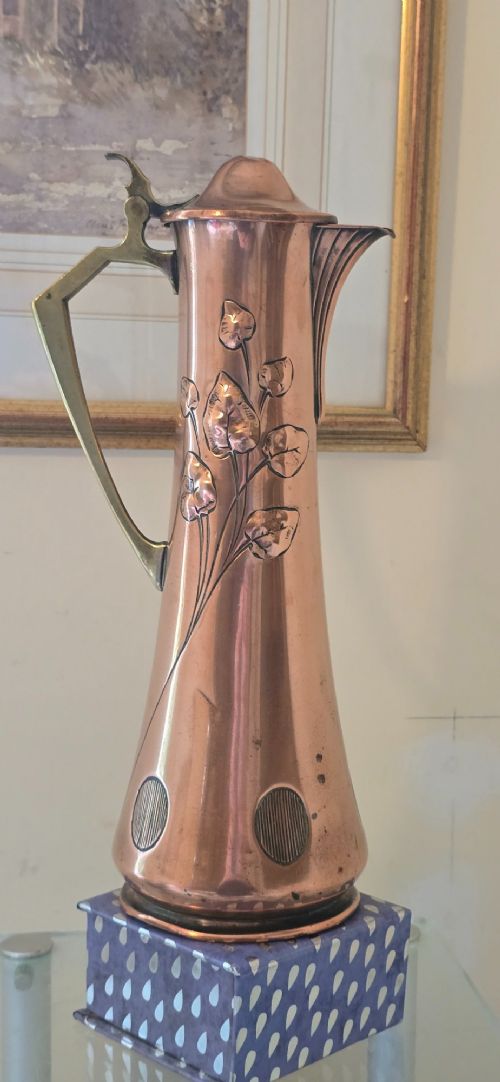
Many domestic pieces feature hammered textures, repoussé floral relief designs, and open twist standards that highlight the malleability of the metal. Patination and structural details reflect the craftsmanship of specific regional styles, including continental Jugendstil and British Arts and Crafts traditions.
Listings feature items spanning the Victorian era through the Edwardian period and into the nineteen twenties, uniting diverse European design movements.
Assessing Craftsmanship
Quality in these metalwork pieces rests upon the crispness of the chased or embossed detailing and the structural integrity of joints and mountings. Superior items display purposeful weight, balanced proportions, and cleanly integrated mixed media elements like hand-blown glass shades or inset ceramic panels.
Lesser examples often show rushed finishing, weak connections in multi-part assemblies, or flattened surface relief that lacks the intended organic depth. The distinction lies in whether the manufacturing process prioritised mass production shortcuts or careful artisan execution.
WMF·G.E.C·Gustave Serrurier Bovy·Friedrich Adler for Osiris·Erhard and Sohne·Philipp Haas
The Art Nouveau Brass Glossary
- Repoussé
- Metalworking technique where the metal is hammered from the reverse side to create a raised design in relief on the front. This method allowed artisans to render lifelike floral and vegetative motifs across brass jugs and wall plaques.
- Jugendstil
- The German variant of the Art Nouveau movement, prominent around nineteen hundred and characterised by graphic, linear styling. Pieces bearing this influence often exhibit geometric restraint combined with organic curves.
- Secessionist
- A modernist design movement associated with central European artists who broke away from traditional academic art institutions. Objects from this circle tend to favour starker architectural forms alongside stylised metal decoration.
- Fender
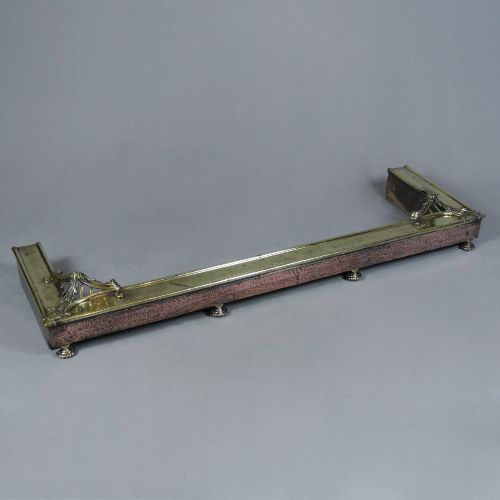
- A low metal guard placed in front of a fireplace to contain sparks and ash. Art nouveau examples frequently combine brass rails with pierced copper panels and steel frames.
Art Nouveau Brass: Frequently Asked Questions
How do I clean antique brass?
Dust items gently with a soft dry cloth to preserve existing patination and finish.
Avoid abrasive polishes or chemical dips that strip the historical surface texture and wear away fine hand-carved details.
Are these lamps safe to use?
Many older lighting pieces require rewiring to meet current electrical standards before daily use in modern homes.
Consult a qualified electrician to update internal fittings while retaining original exterior components and shades.
How do I distinguish Art Nouveau from Art Deco?
Art Nouveau design relies on asymmetrical, flowing organic lines inspired by stems, flowers, and natural curves.
Art Deco favours symmetrical, streamlined geometric shapes, zigzags, and industrial motifs that developed in subsequent decades.
Where were these metal items made?
Production spans British workshops alongside continental European centres in France, Germany, and the Netherlands.
Different regions favoured distinct manufacturing techniques, such as continental Jugendstil casting methods or British Arts and Crafts hammered finishes.