


Art Nouveau Bowl
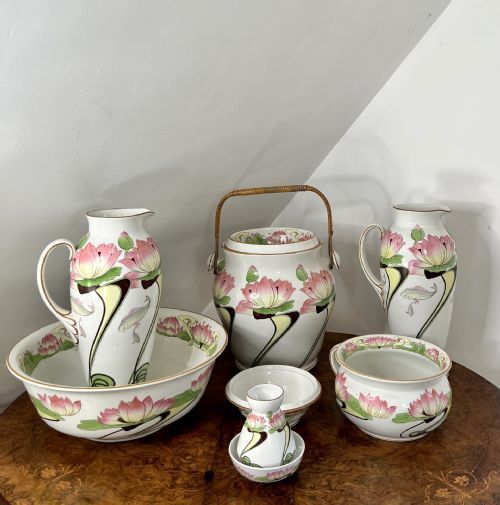
An art nouveau bowl brings organic line and fluid floral motifs directly into a room, offering both decorative presence and practical utility.
Art Nouveau Bowl
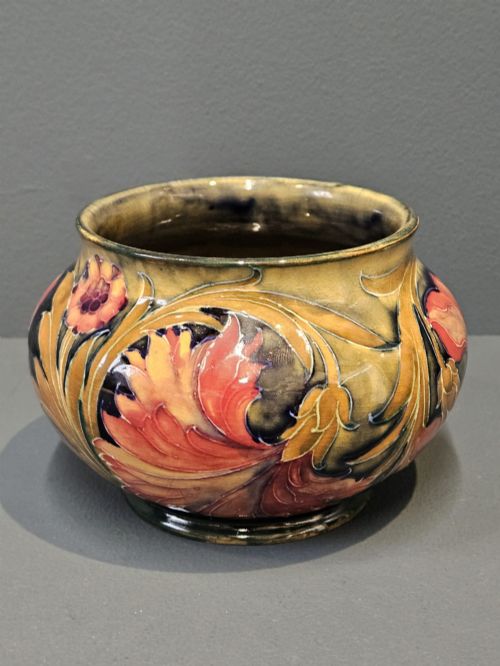
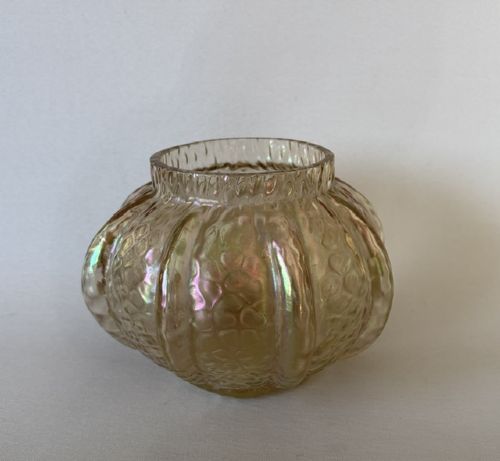
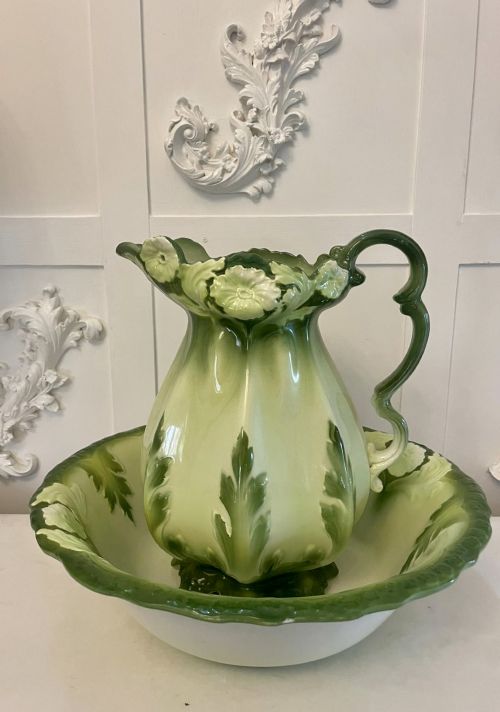
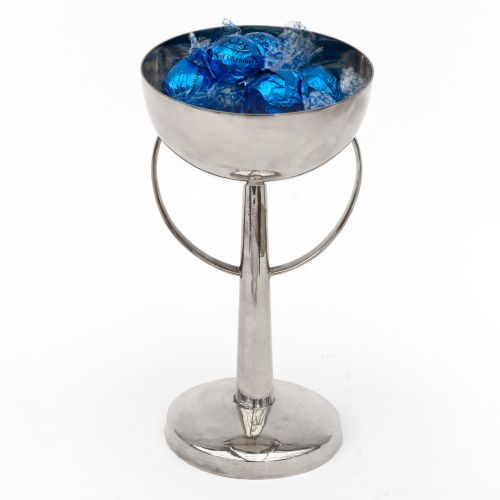
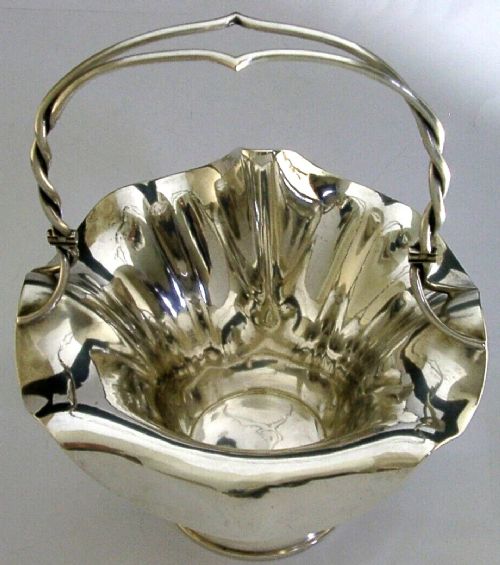
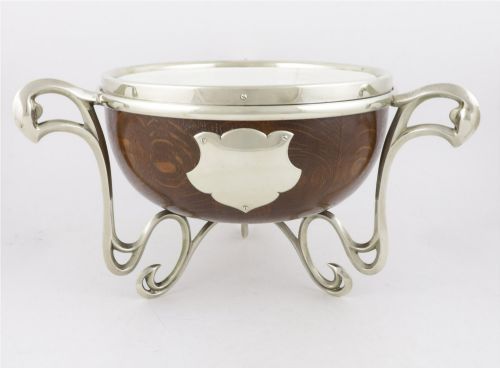
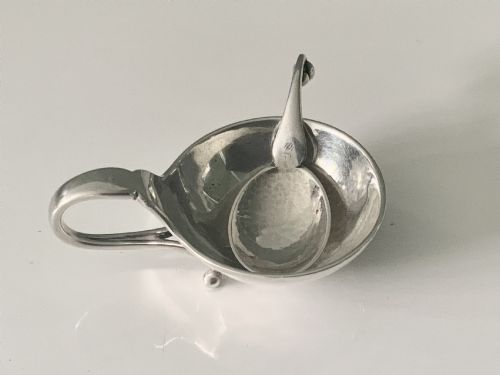
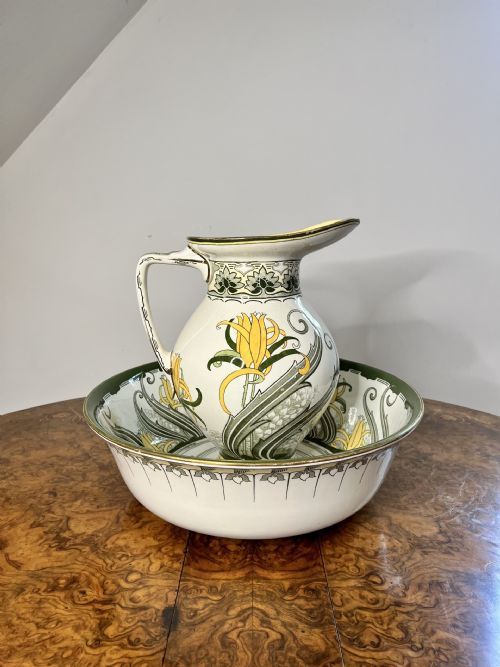
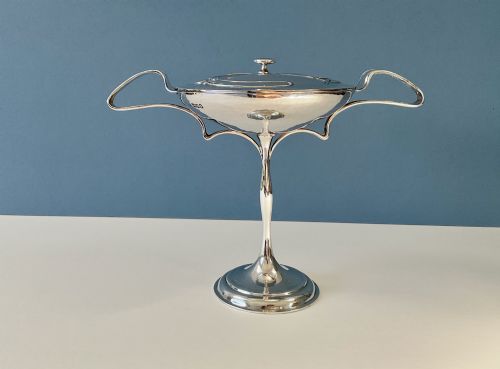
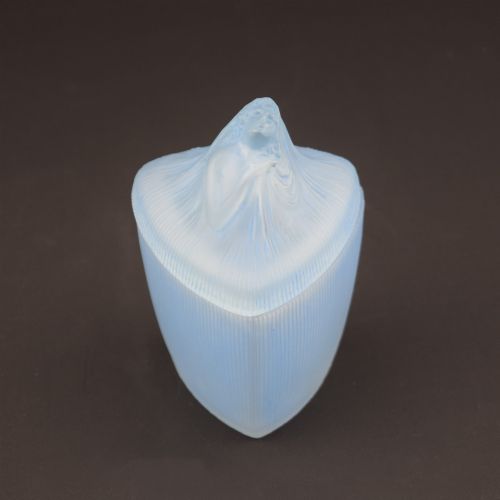
When searching for an art nouveau bowl, a buyer encounters domestic vessels shaped by the sinuous, plant-inspired aesthetics that defined design around nineteen hundred. Pieces span multiple forms, including flower bowls, bon bon dishes, centrepieces, baskets, and sugar basins.
The selection here ranges from nineteenth century examples through the Edwardian era into the nineteen twenties, embracing related styles such as Arts and Crafts, French Belle Epoque, and Secessionist work.
Materials vary widely, bringing together solid silver, silver plate, copper, pewter, earthenware, stoneware, porcelain, and various forms of glass.
How they were made
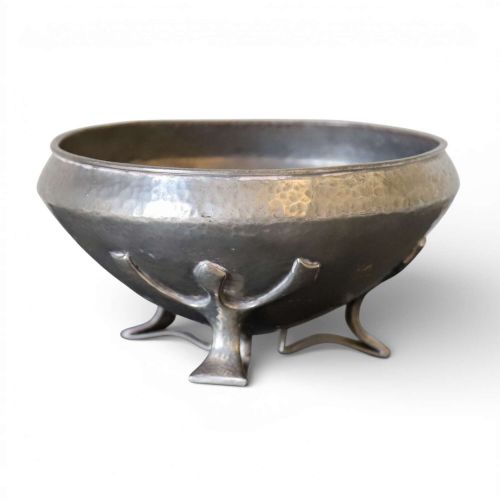
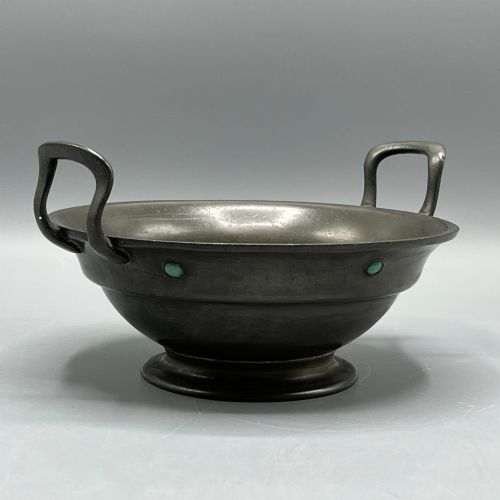
Metal vessels utilise casting, hammering, and plating techniques, combining base metals like pewter or copper with silver, gold leaf, or copper finishes, alongside applied cabochons.
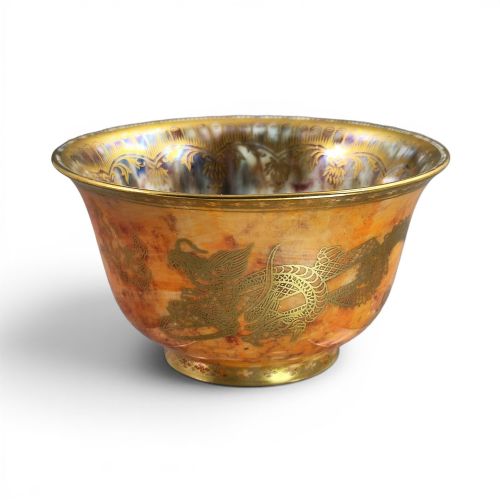
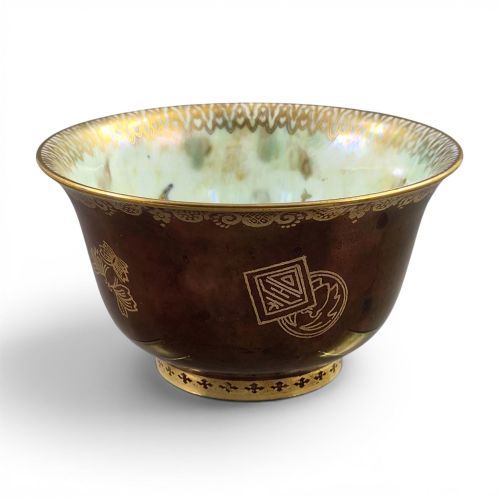
Glass and ceramic pieces employ lustre glazes, enamel decoration, paste gilding, and green vaseline glass, often shaped into stylistic, organic forms during manufacturing.
Art Nouveau Bowl Retail Price Guide 2026
Typical asking prices for art nouveau bowl among the pieces listed under this phrase on Sellingantiques today, from the lower quarter to the upper quarter. They describe what is for sale here now, not the wider market.
Squirrels and squirrels alone shoulder the burden of holding nuts in certain whimsical silver-plated dishes.
What varies in quality
Quality depends upon the crispness of the organic casting and the depth of surface decoration, whether in the hammered texture of pewter or the intricacy of gilded enamel on glass.
The reputation of the maker and the preservation of original finishes, from lustre glazes to silver plating, define the standing of individual vessels.
Liberty & Co·Wedgwood·Georg Jensen·WMF·Doulton Lambeth·Loetz
The Art Nouveau Bowl Glossary
- Lustre glaze
- A type of ceramic finish that produces an iridescent metallic sheen upon firing. It catches the light with rainbow-like reflections.
- Tudric pewter
- A trade name used by Liberty & Co. for a specific alloy of pewter. Items in this metal often display hammered surfaces and stylistic plant motifs.
- Vaseline glass
- A type of glass coloured with uranium dioxide, producing a characteristic yellow-green hue. It often glows under ultraviolet light.
- Bon bon dish
- A small decorative vessel traditionally used for holding sweets or small confectionery. These often feature swing handles or pierced metalwork.
- Epergne
- An ornamental centrepiece for a table, typically featuring multiple branching bowls or baskets for fruit or flowers.
Art Nouveau Bowl: Frequently Asked Questions
What are art nouveau bowls made of?
These vessels appear in a diverse array of materials, reflecting the wide manufacturing experimentation of the period. Common substances include solid silver, silver plate, copper, pewter, and various ceramics like earthenware, stoneware, and porcelain.
Glass is also prominent, ranging from crystal and iridescent specimens to pieces featuring lustre glazes, enamel, and gold leaf decoration.
How were these bowls used originally?
Many of these pieces served specific domestic functions on dining tables, sideboards, or in drawing rooms. Examples include bon bon dishes for sweets, fruit trophies, sugar basins, and porringers.
Larger variations functioned as centrepieces, flower bowls, or epergnes to hold floral arrangements during formal meals and gatherings.
How do I date an art nouveau bowl?
Dating relies on examining hallmarks on silver and pewter, maker stamps on ceramics, and stylistic indicators such as specific motifs and manufacturing techniques. Most pieces originate from around nineteen hundred, the Edwardian period, or the surrounding decades.
Assay marks and registration numbers stamped directly into the metal or clay provide the most precise chronological markers.
How do I display an art nouveau bowl at home?
These bowls integrate well into both traditional and modern interiors by serving as focal points on tables, sideboards, or open shelving. Placing them where natural light can strike glass lustre or metallic surfaces enhances their organic lines.
They continue to function practically for holding fruit or small items, or they can simply be displayed empty to showcase their sculptural form.