


Art Furniture Dressing Table
An art furniture dressing table combines period craftsmanship with distinctive design, offering both practical bedroom storage and strong visual character.
Art Furniture Dressing Table
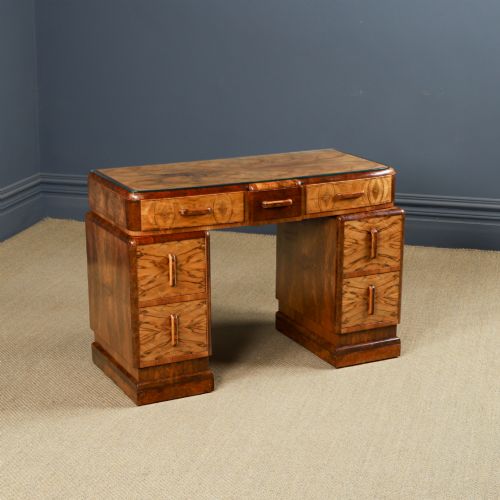
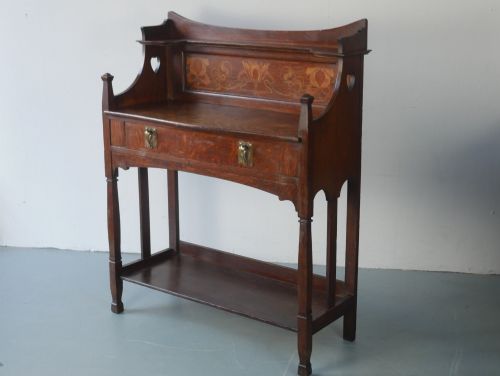
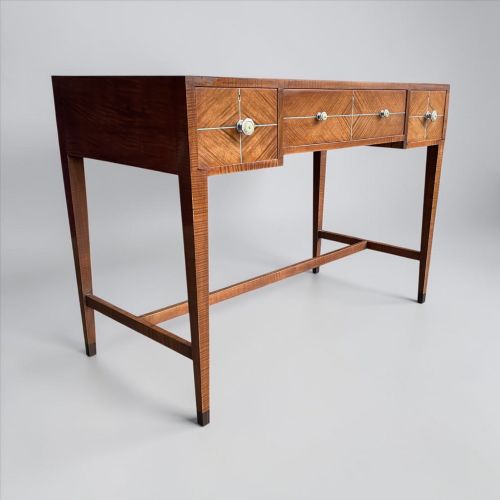
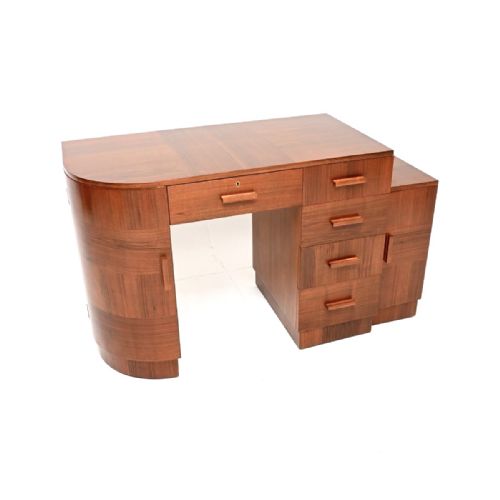
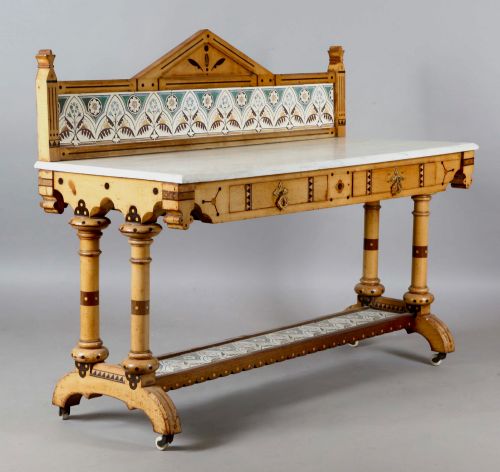
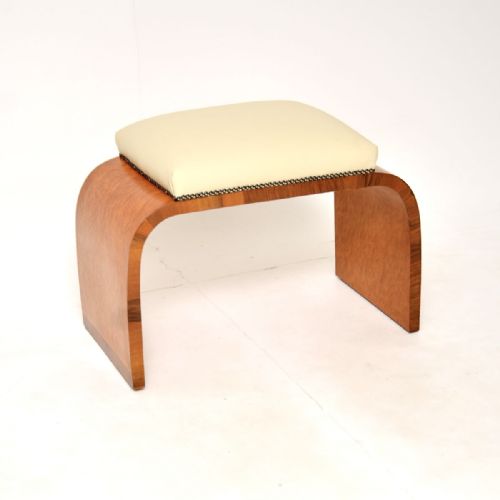
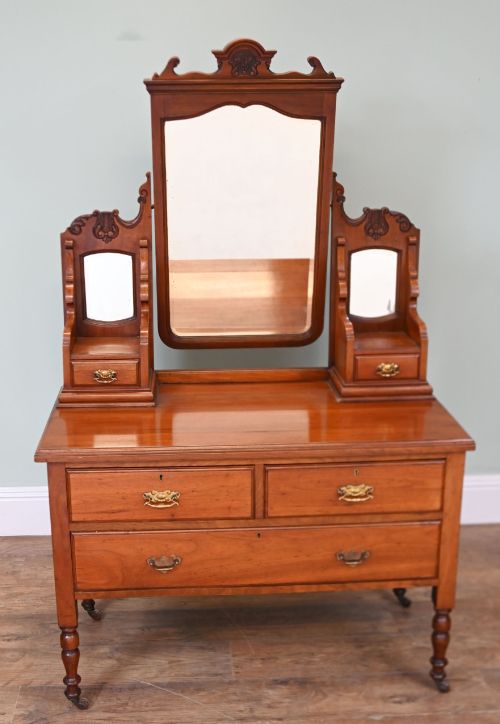
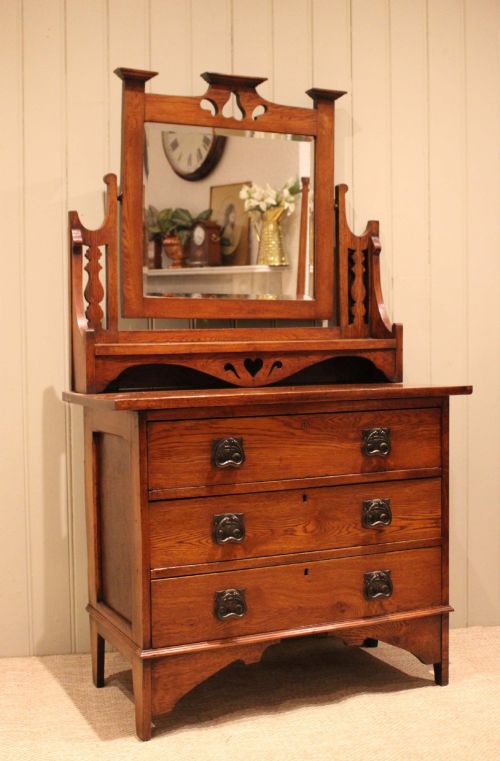
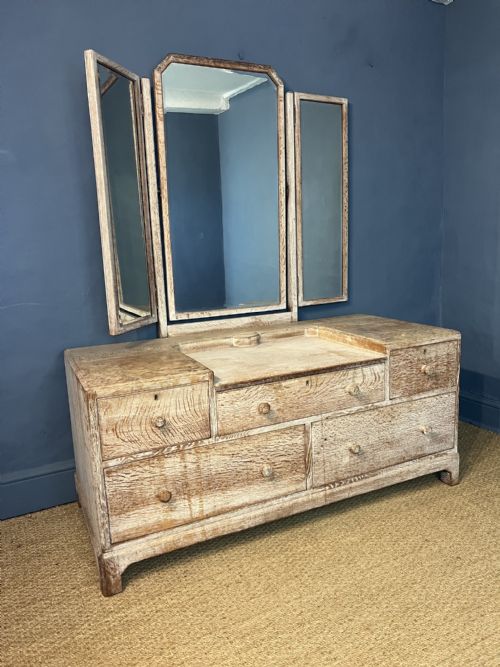
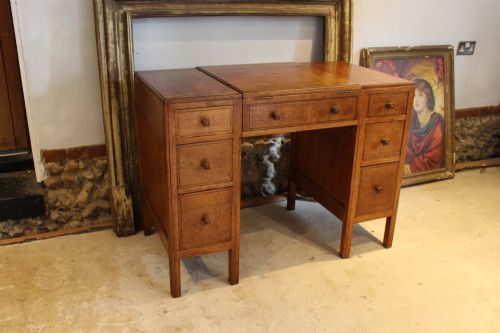
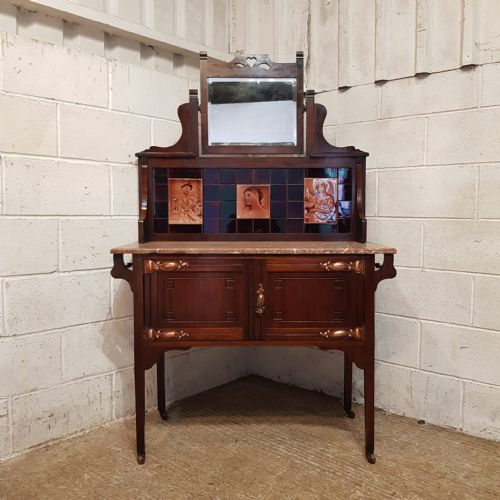
An art furniture dressing table encompasses pieces created during distinct design movements spanning the late nineteenth century through the early twentieth century. Buyers seeking this category most frequently encounter examples produced in Art Deco and Arts and Crafts styles, alongside Edwardian and Victorian interpretations.
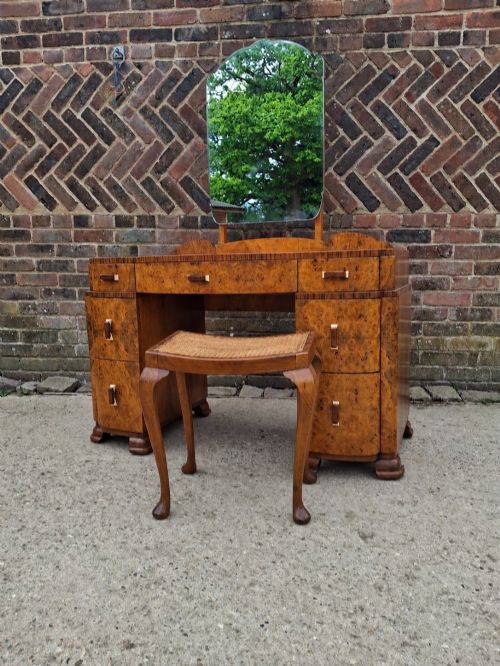
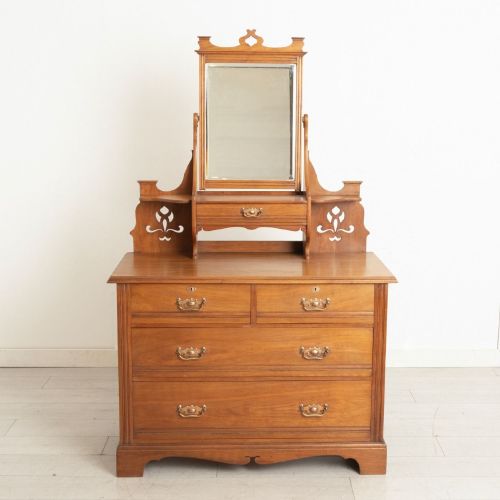
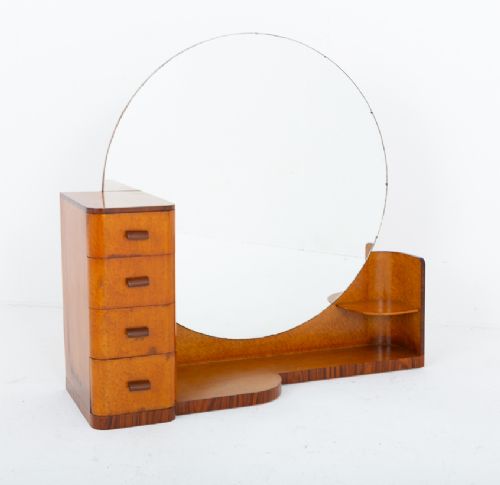
These forms range from compact dressing chests and pedestal vanities with integrated mirrors to larger bedroom furniture suites. Materials span from native timbers like oak and ash to imported veneers including burr walnut and birds eye maple.
Origins include notable English workshops as well as continental makers, reflecting the shifting aesthetic priorities across the Victorian era, the 1890s, and into the 1930s.
Materials and construction methods
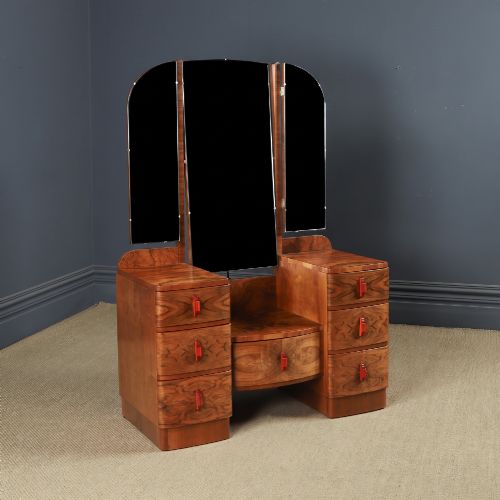
Makers utilised solid timbers such as oak, mahogany, and walnut, frequently applying figured and burr walnut veneers to create striking geometric grain patterns on drawer fronts and surfaces. Limed oak finishes and green stained ash also appear among specific workshop productions.
Functional details incorporate brass hardware, mirror glass panels, and occasionally marble tops on washstands or dressing chests. Construction relies on traditional joinery techniques suited to both the linear framework of Arts and Crafts pieces and the curved profiles of Art Deco designs.
Art Furniture Dressing Table Retail Price Guide 2026
Typical asking prices for art furniture dressing table among the pieces listed under this phrase on Sellingantiques today, from the lower quarter to the upper quarter. They describe what is for sale here now, not the wider market.
Current listings feature dressing tables and bedroom suites spanning from the Victorian period through the 1930s Art Deco era, constructed in oak, walnut, mahogany, and ash.
Assessing quality and execution
The distinction between standard commercial output and exceptional work lies in the selection of timbers and the precision of veneer matching. Pieces featuring carefully chosen burr walnut or birds eye maple demonstrate superior material selection by the maker.
Design ambition also divides the range, with workshop-attributed furniture showing more refined proportions, integrated hardware, and thoughtful handling of auxiliary materials like brass and mirror glass compared to simpler utilitarian variants.
Shapland & Petter·Frank Taylor & Co.·Heal & Sons·George Walton·Harry and Lou Epstein·Hille·Wright & Hunter of Belfast·Harris Lebus·B Cohen & Sons
The Art Furniture Dressing Table Glossary
- Burr walnut
- A timber veneer taken from the warted growth of a walnut tree, prized for its swirling, intricate grain patterns. It is frequently utilised on Art Deco drawer fronts and table surfaces.
- Pedestal dressing table
- A vanity form featuring twin banks of drawers supporting a central surface and mirror, common in twentieth-century bedroom suites.
- Limed oak
- A wood finishing technique that leaves a white or pale pigment in the grain of oak, popularised by modern workshops during the early twentieth century.
- Dressing chest
- A lower storage chest fitted with a set of drawers and an attached mirror, serving as a precursor to the dedicated dressing table.
Art Furniture Dressing Table: Frequently Asked Questions
What defines an art furniture dressing table?
These pieces are defined by their association with specific design movements like Art Deco, Arts and Crafts, and Art Nouveau, moving away from strict historical revivals towards purposeful modern aesthetics.
They combine functional bedroom storage and mirrors with artistic craftsmanship executed in woods like oak, walnut, and mahogany.
Were these dressing tables part of larger suites?
Many dressing tables and chests were originally produced as components of matching bedroom furniture sets that included wardrobes, washstands, and bedside cabinets.
Surviving examples occasionally appear either individually or as assembled multi-piece bedroom suites depending on how they descended through households.
How should I care for a veneered walnut dressing table?
Veneered surfaces require gentle maintenance avoiding excessive moisture and direct sunlight, which can dry out or fade the burr walnut grain over time.
Regular dusting with a soft, dry cloth preserves the polished finish and protects the delicate timbers characteristic of twentieth-century vanity furniture.