




Art Deco Wooden Lamp Stand
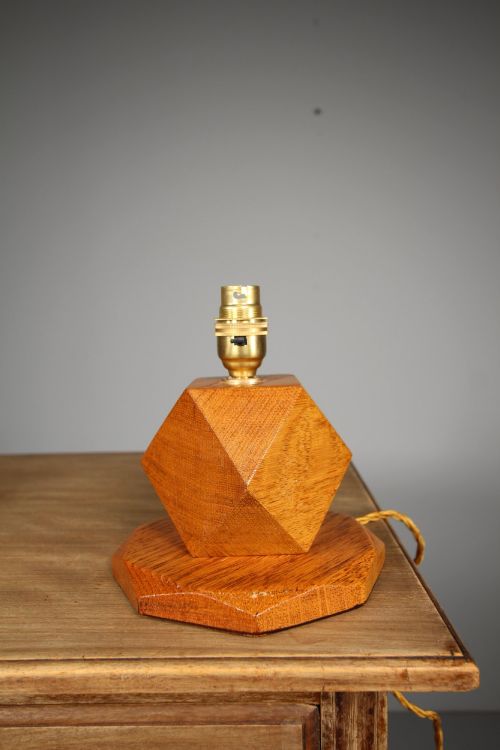
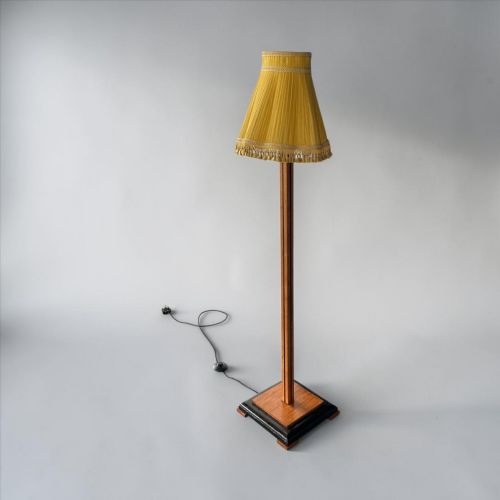
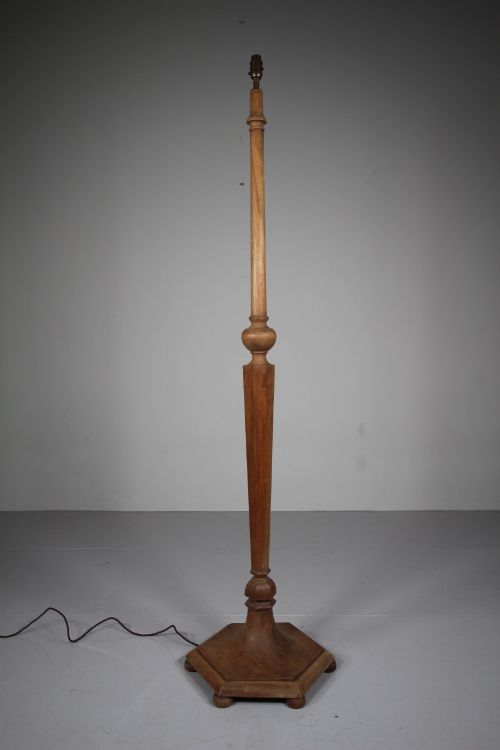
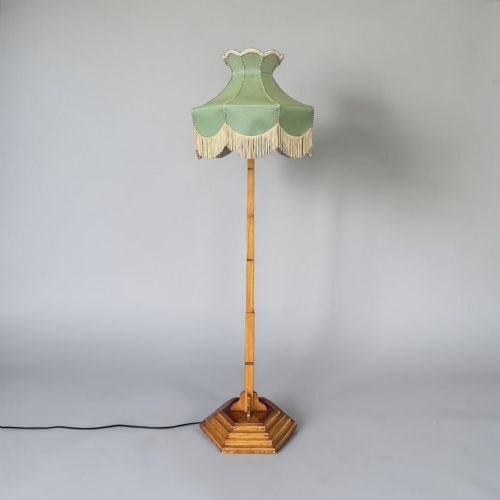
An art deco wooden lamp stand brings striking architectural silhouette and rich grain into a room, combining practical illumination with strong period design.
Art Deco Wooden Lamp Stand
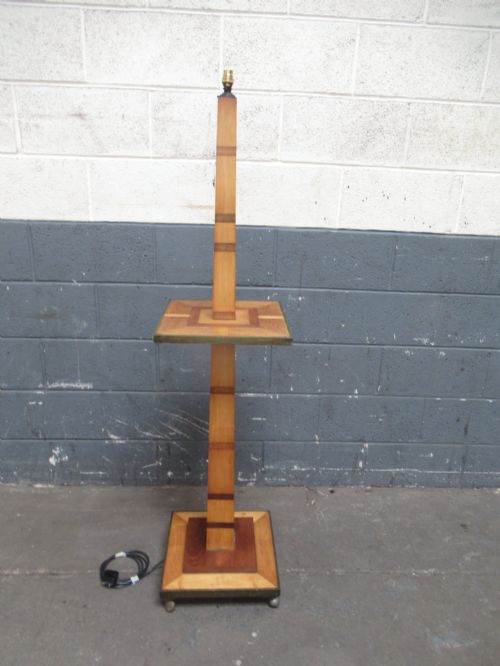
An art deco wooden lamp stand takes the form of a standard lamp, floor lamp, or torchere, designed to anchor a corner or light a seating area. These upright pieces provide vertical presence, often accompanied by matching side tables, occasional tables, and lamp tables that share the same geometric vocabulary.
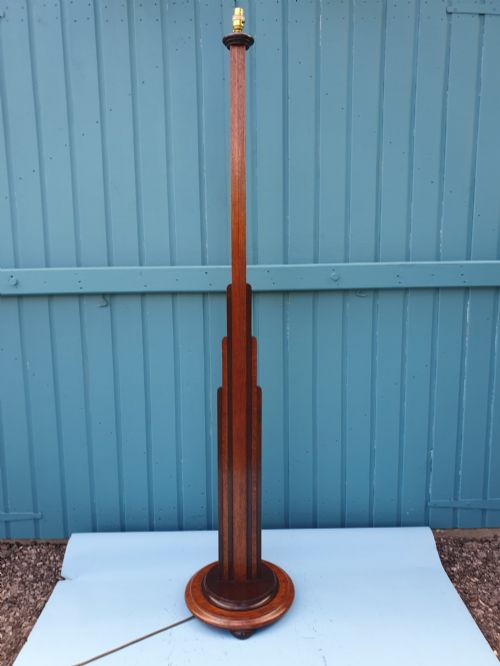
The pieces on this page originate primarily from the 1920s and 1930s, capturing the shift from traditional revivalism to streamlined modernity. Alongside straightforward uprights, buyers encounter tiered skyscraper styles and octagonal formats that reflect the architecture of the period.
Most examples function as standalone vertical floor lamps, though some listings pair the timber standard with fabric shades or brass fittings. Occasional tables and side tables also appear frequently under this search, serving the same functional role of holding illumination or resting beside seating.
How they were made
Cabinet makers utilised solid timbers and applied veneers, selecting oak, walnut, mahogany, burr elm, and general timber to achieve varied surface patterns. Lighter blond walnut and golden oak sit alongside darker figured grain, sometimes accented with contrasting ebony inlay.
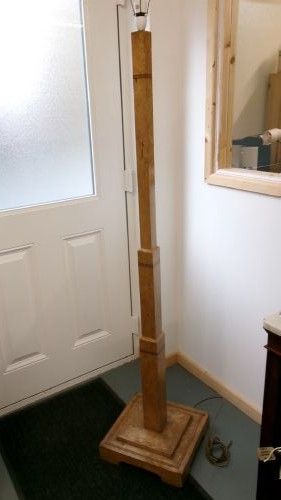
Construction methods combine structural turning or carving for the upright shafts with stable bases, complemented by brass hardware and fabric elements. The Odeon and skyscraper styles rely on stepped wooden blocks and geometric layering rather than curves.
Art Deco Wooden Lamp Stand Retail Price Guide 2026
Typical asking prices for art deco wooden lamp stand among the pieces listed under this phrase on Sellingantiques today, from the lower quarter to the upper quarter. They describe what is for sale here now, not the wider market.
One towering oak lamp stand clearly spent decades moonlighting as a very confused hat rack.
What varies in quality
The distinction between standard execution and superior craftsmanship lies in the selection of the timber and the complexity of the silhouette. Figured golden walnut, burr elm, and precise ebony inlay elevate a piece beyond plain oak or straightforward turned timber.
Architectural ambition separates simple upright posts from sculptural Odeon and skyscraper designs that require intricate stepped construction. The handling of the wood veneer and the integration of brass components determine the visual impact of the finished standard lamp.
The Art Deco Wooden Lamp Stand Glossary
- Standard Lamp
- A tall floor-standing lamp designed to provide ambient room illumination. These vertical timber posts form the core of the search category.
- Torchere
- A tall ornamental stand originally intended to hold a candle or torch, adapted in the twentieth century for electric lighting. It shares the slender vertical format of the standard lamp.
- Occasional Table
- A small, movable table designed for a specific, intermittent use such as holding a lamp or book. These frequently accompany standard lamps in period interiors.
- Veneer
- A thin layer of finely figured wood applied over a sturdier base timber. This technique displays rich grains like walnut and burr elm across flat or curved surfaces.
- Odeon Style
- An architectural style characterised by stepped geometric forms and skyscraper tiers. It is seen on floor lamps that mimic the monumental cinema designs of the era.
Art Deco Wooden Lamp Stand: Frequently Asked Questions
What is an art deco wooden lamp stand?
An art deco wooden lamp stand is a tall vertical floor lamp or standard lamp produced during the 1920s or 1930s. These pieces utilise woods like oak, walnut, and mahogany to provide both functional lighting and strong geometric decoration.
Many examples feature stepped skyscraper silhouettes or contrasting ebony and brass details. They stand on sturdy bases and often pair with fabric shades or matching side tables.
How do I date an art deco lamp stand?
Dating relies on the stylistic markers and material combinations recorded across the 1920 and 1930 periods. Pieces from this era typically show characteristic geometric forms, stepped profiles, or specific timber treatments like blond walnut and applied veneer.
Neoclassical revival influences also appear alongside pure art deco designs. Comparing the specific wood grain, inlay work, and structural silhouette helps place the piece within these two decades.
Are lamp tables part of this category?
Side tables, occasional tables, and lamp tables frequently share space with standard lamps in this category. These low timber surfaces were designed to complement the upright lighting and serve the same seating areas.
They utilise the same materials, including oak, walnut, burr elm, and mahogany. Buyers often group them together to create a unified furniture arrangement in a room.
How do I live with an art deco lamp stand?
A wooden standard lamp functions well as a corner anchor or beside a seating arrangement to provide layered illumination. Its vertical form adds height and architectural interest to a room without occupying significant floor space.
Pairing the stand with coordinating side tables or matching pairs of walnut lamps creates visual symmetry. The rich timber tones blend easily with both vintage and contemporary interiors.