

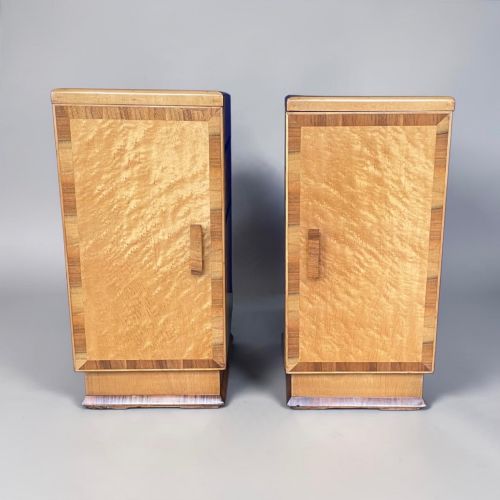
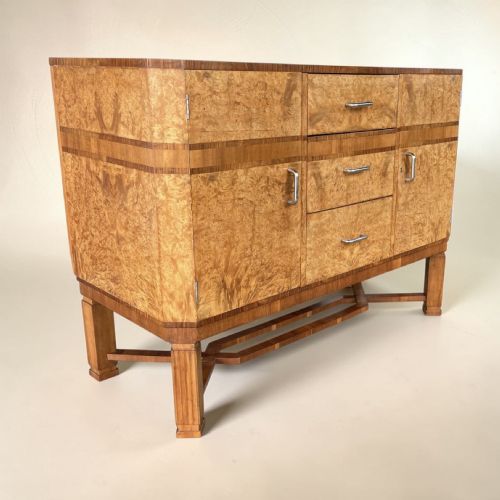
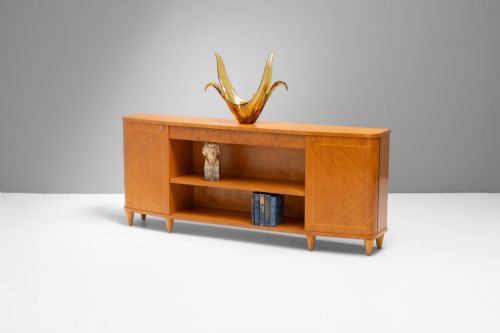
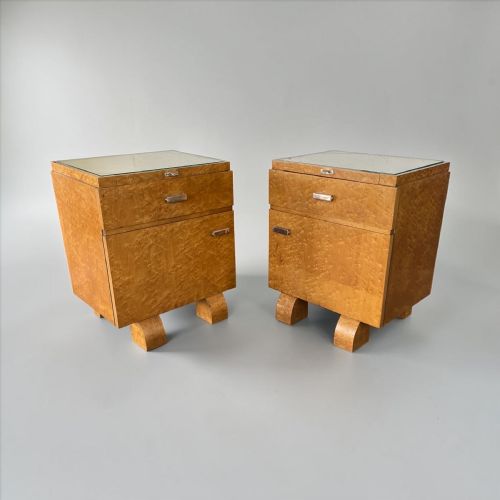
Art Deco Veneer Cabinets
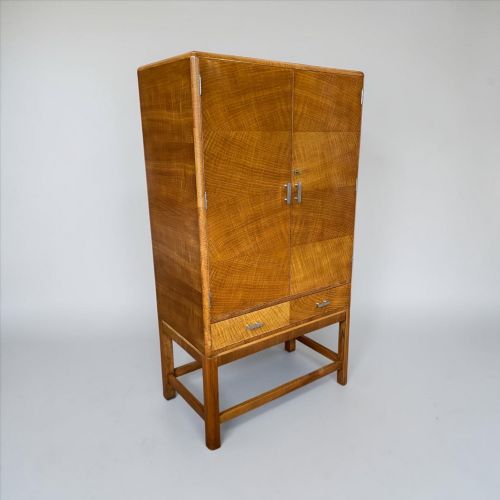
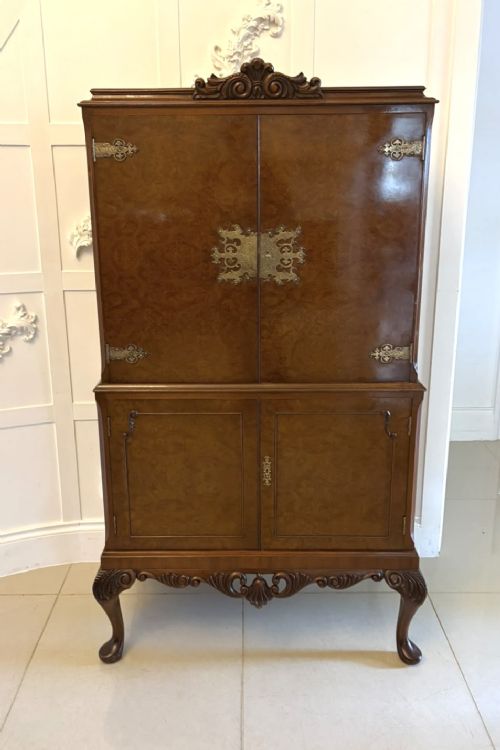
These art deco veneer cabinets bring geometric precision and figured grain into a room, offering both serious storage and strong architectural presence.
Art Deco Veneer Cabinets
When you search for art deco veneer cabinets, you encounter a wide selection of storage forms primarily originating from the nineteen thirties alongside related early twentieth-century examples.
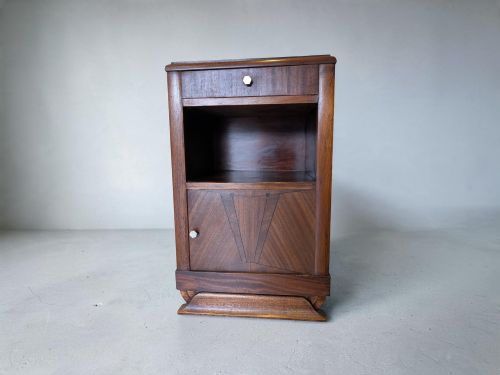
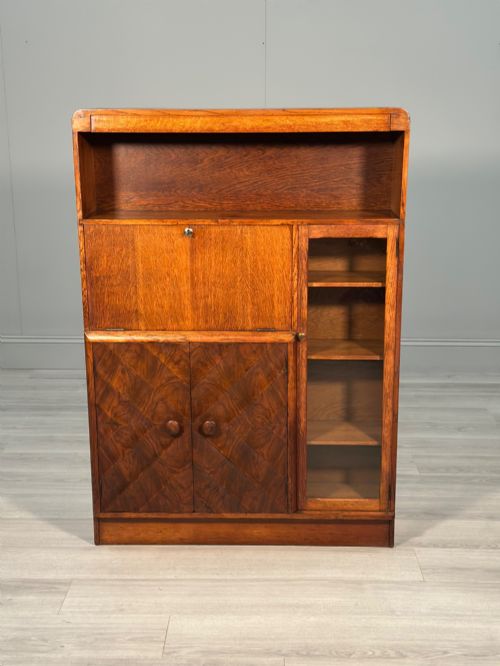
Sideboards, bedside tables, display cabinets, and wardrobes dominate the selection, often rendered in figured walnut or satinwood with distinct geometric silhouettes.
Many pieces display regional variations, ranging from Swedish Grace and Scandinavian interpretations to English and Italian workshops.
Materials and construction methods
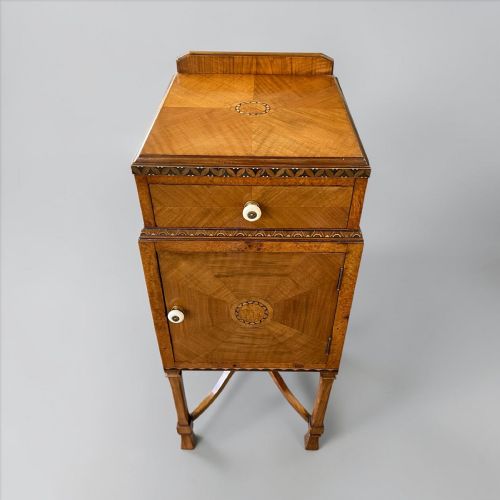
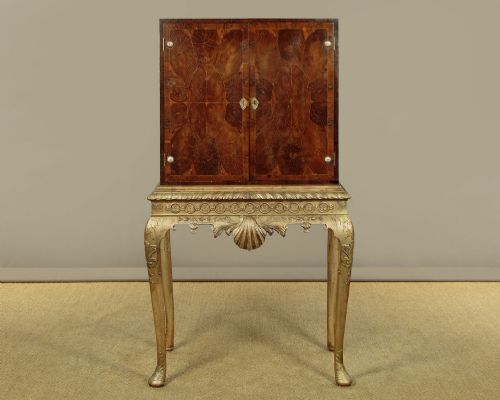
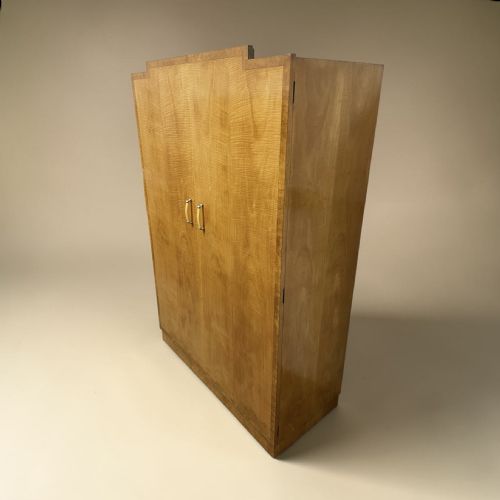
Craftsmen applied thin decorative layers of figured walnut, birch, or satinwood over solid foundational timbers to create symmetrical grain patterns across large surfaces.
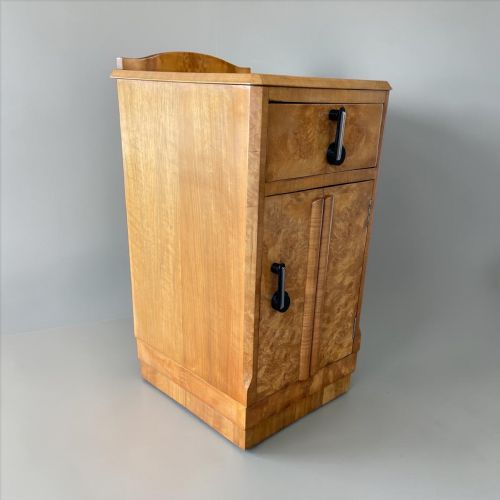
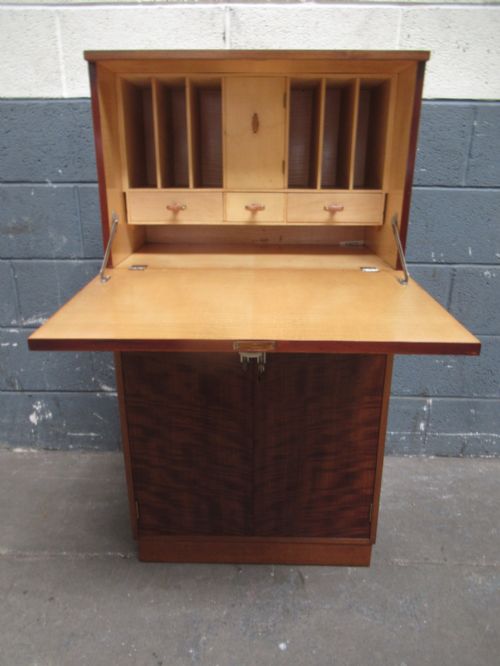
Metal elements such as brass, chrome, and occasional bakelite details provide structural contrast and functional hardware for doors and drawers.
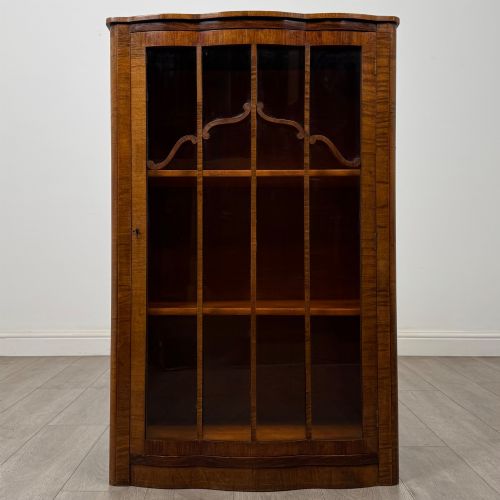
Glass panels feature in display cabinets and bookcases, complementing polished wood finishes without obscuring internal contents.
Art Deco Veneer Cabinets Retail Price Guide 2026
Typical asking prices for art deco veneer cabinets among the pieces listed under this phrase on Sellingantiques today, from the lower quarter to the upper quarter. They describe what is for sale here now, not the wider market.
The listings feature walnut, birch, and satinwood veneers shaped into sideboards, bookcases, and wardrobes primarily dated to nineteen thirty.
Factors of quality and execution
The sophistication of the veneer layout dictates the visual impact, with book-matched grain patterns requiring high precision from the cabinetmaker.
The integration of hardware and secondary woods separates standard production items from pieces produced by notable makers or specialised urban workshops.
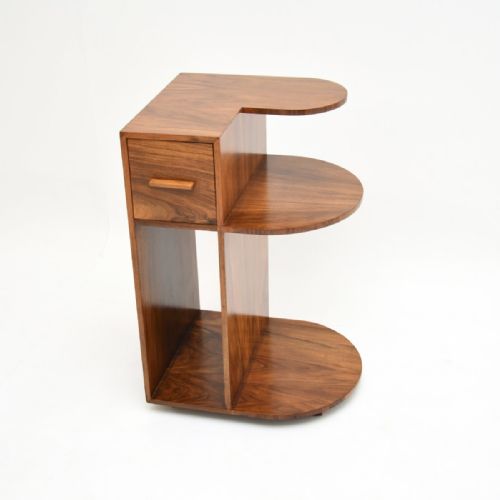
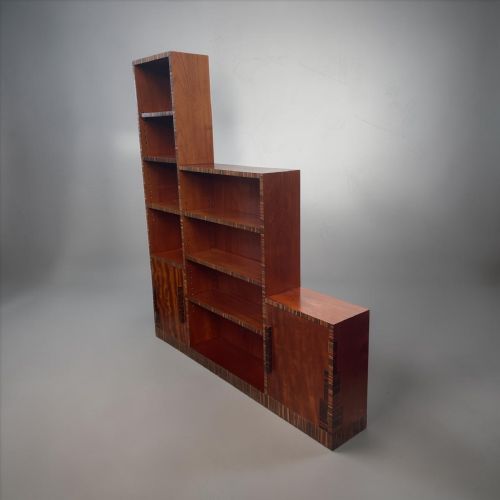
Proportion and architectural clarity define superior examples, where stepped forms and curved corners balance heavy wood tones.
E Gomme·Bath Cabinet Makers·Maurice Adams·Bowman Brothers·Sandberg & Co
The Art Deco Veneer Cabinets Glossary
- Veneer
- A thin layer of figured wood applied to a base timber to display decorative grain patterns. This technique allows makers to utilise expensive or exotic timbers efficiently.
- Swedish Grace
- An architectural and design style bridging neoclassical and modernist aesthetics in Nordic countries. It emphasises restrained ornamentation and elegant proportions.
- Book-matched
- A method of arranging veneer sheets side by side so that matching patterns mirror each other. This creates symmetrical, butterfly-like designs across cabinet doors.
- Tallboy
- A tall upright chest of drawers, often combining wardrobe or cupboard space in a single compact footprint. These pieces maximise vertical storage in smaller bedrooms.
- Figured walnut
- Walnut timber featuring irregular, highly decorative grain formations caused by growth anomalies. Cabinetmakers prize this material for its rich visual depth.
Art Deco Veneer Cabinets: Frequently Asked Questions
How do I identify genuine period cabinets?
Authentic pieces rely on construction methods, timber selections, and hardware specific to the nineteen thirties, avoiding modern synthetic laminates.
Examine the interior secondary woods and back panels to confirm the age and traditional joining techniques used by period cabinetmakers.
Where should I place a display cabinet?
These tall and low display units suit living rooms or dining spaces where glass doors protect books or objects while showing off figured veneers.
Keep them away from direct sunlight to protect the polished wood surfaces and delicate veneers from fading.
How do I care for polished veneer?
Dust surfaces regularly with a soft, dry cloth and avoid harsh chemical cleaners that can damage the traditional polish.
Maintain stable room humidity levels to prevent the wood beneath the veneer from expanding or contracting.
What is the difference between a sideboard and a tallboy?
Sideboards provide low, horizontal surface space and cabinet storage suited to dining rooms, whereas tallboys rise vertically to maximise drawer storage in bedrooms.
Both forms utilise decorative veneers to break up large expanses of wood.