


Art Deco Trinket Jar
An art deco trinket jar sits on the dressing table to hold small pins and cosmetics, combining period glass or ceramic with metalwork.
Art Deco Trinket Jar
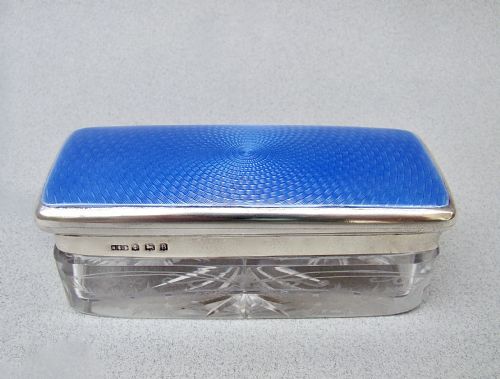
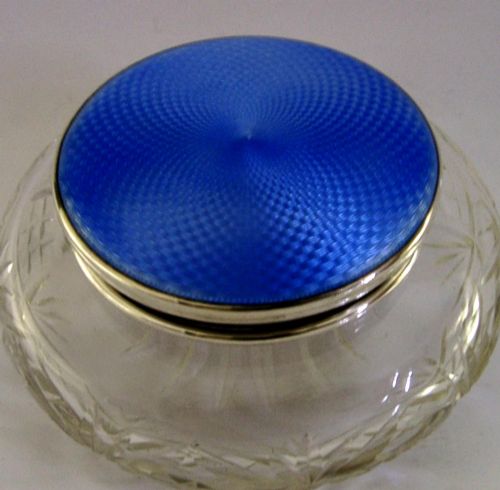
An art deco trinket jar is a small lidded container designed for dressing tables and vanity sets, originating mostly from the nineteen twenties and nineteen thirties. You will frequently encounter these pieces in cut glass, porcelain, and ceramic, often topped with precious metals and enamel.
The form spans simple lidded bowls and powder boxes to novelty figural containers featuring half dolls. Many examples hail from British silversmiths alongside continental European potteries.
Materials and construction
Makers shaped heavy crystal and cut glass bodies to catch the light, mounting them with sterling silver collars and lids. Ceramic and porcelain vessels received glazed finishes, sometimes paired with hand-painted figural tops.
Metal lids frequently showcase guilloche enamel work, applying translucent coloured layers over engine-turned patterns in silver. Other variants combine tortoiseshell or gilt accents directly onto the glass or ceramic body.
Listings feature porcelain, sterling silver, glass, and guilloche enamel pieces spanning the Edwardian era through the nineteen thirties.
Assessing quality and execution
Quality rests on the crispness of the glass cutting and the precision of the engine-turned engraving beneath the enamel. Finer examples display smooth, unblemished enamel surfaces without chipping or heavy scratching.
The weight of the sterling silver mount and the clarity of the hallmarks indicate the original tier of production. Hand-painted ceramic figural lids show distinction through refined facial expressions and careful glaze application.
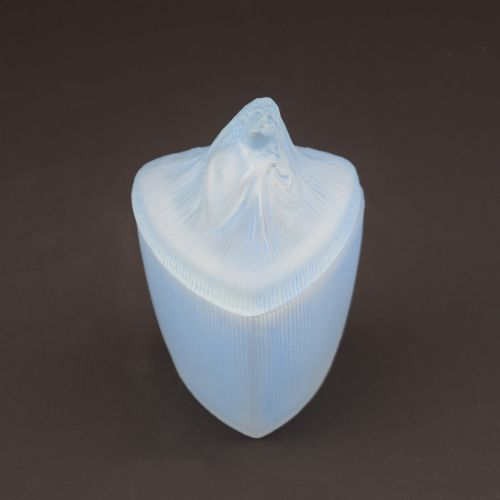
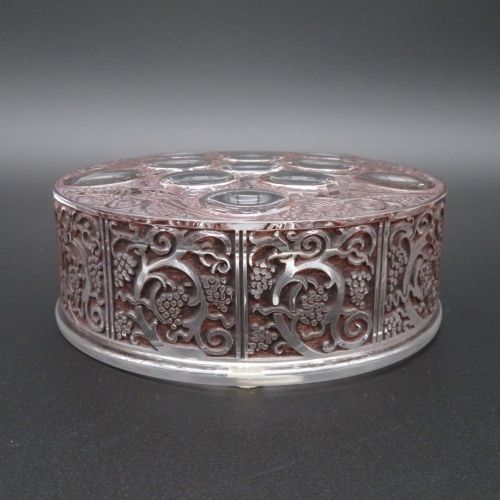
Henry Clifford Davis·Rene Lalique·W.M.F.·Limoges
The Art Deco Trinket Jar Glossary
- Guilloche enamel
- A decorative technique where metal is engine-turned with repetitive geometric patterns and coated in translucent enamel. This method creates a shimmering depth beneath the coloured surface.
- Half doll
- A ceramic torso figure without legs, commonly manufactured to sit atop the fabric skirts of powder brushes or form the lid of a ceramic powder bowl. These figural pieces date predominantly to the early twentieth century.
- Bonbonniere
- A small ornamental box or jar originally intended for holding sweets or confectionary. On the vanity table, these vessels often served to store small trinkets.
- Sterling silver
- An alloy of silver containing ninety-two point five percent pure silver and seven point five percent other metals, typically copper. British pieces bear assay office marks indicating the town and year of testing.
Art Deco Trinket Jar: Frequently Asked Questions
What were these jars used for originally?
These jars held loose face powder, rouge, hairpins, and small personal items on dressing tables.
Ladies kept them close at hand during the daily routine of grooming and dressing.
How do I date an enamel jar?
British silver mounts carry hallmarks with date letters that pinpoint the exact year of manufacture.
Stylistic cues in the geometric enamel patterns also point toward the nineteen twenties or thirties.
Are ceramic and glass jars fragile?
Cut glass and porcelain require careful handling to avoid chipping the rims and delicate figural lids.
Placement on stable surfaces away from high traffic areas prevents accidental drops.
Can I clean the enamel tops?
Enamel benefits from gentle wiping with a soft, dry cloth to remove dust without moisture.
Harsh chemical cleaners and prolonged soaking damage the delicate surface and the underlying silver.