




Art Deco Task Lamp
An art deco task lamp brings mechanical precision and industrial style to a modern workspace.
Art Deco Task Lamp
When you search for an art deco task lamp, you enter a field defined by industrial utility and early twentieth-century design. The pieces available range from the 1900s through the 1940s, capturing a period of rapid technological change and functional design.
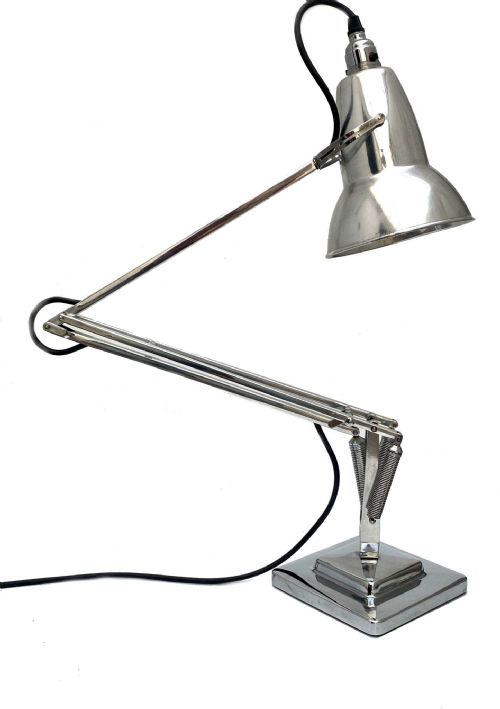
You are most likely to meet adjustable desk and table lamps on this page, often constructed with articulated arms or flexible joints. These objects were originally designed for offices, drafting rooms, and bedside tables where directed illumination was essential.
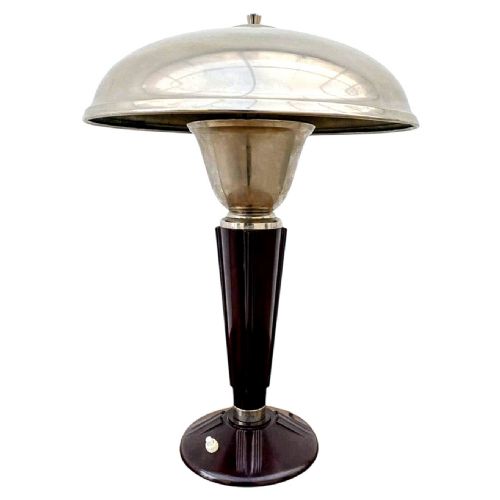
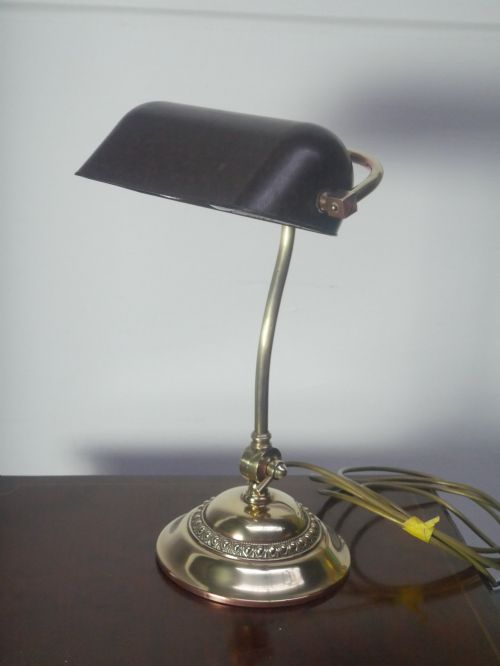
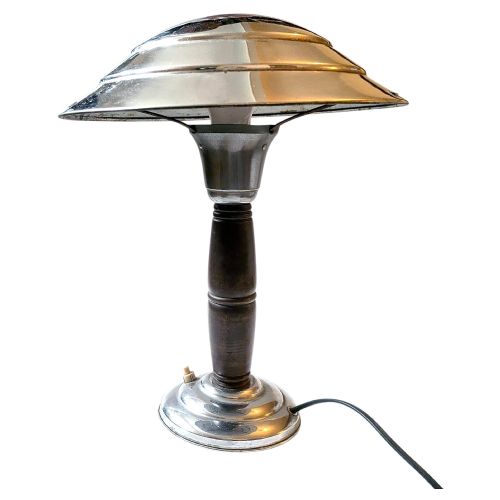
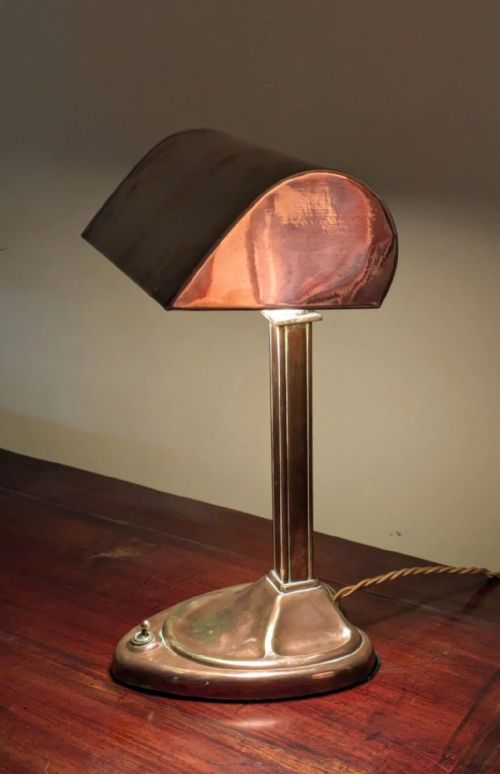
The aesthetic vocabulary draws upon Machine Age modernism, the Bauhaus movement, and the Amsterdam School. Forms vary from simple bankers lamps with green shades to complex chrome structures and streamlined bakelite bodies.
Materials and Construction
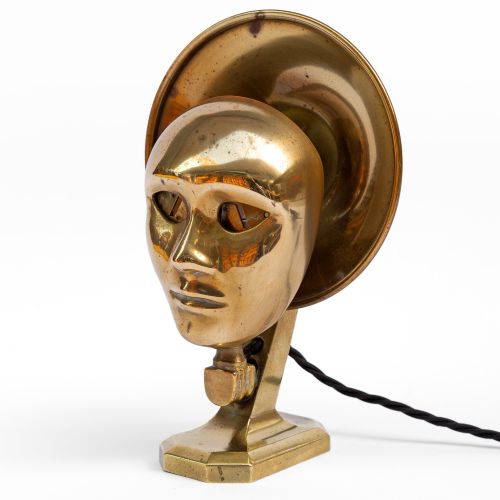
Makers relied heavily on metals such as brass, chrome-plated steel, copper, and toleware to build robust, articulating frames. These metallic elements were frequently polished, patinated, or nickel-plated to catch the light and withstand daily handling in workshops and offices.
Bakelite and glass, including frosted glass and blue glass, provided durable electrical insulation and glare-free shades. These synthetic and mineral components were moulded or blown into specific aerodynamic and geometric shapes characteristic of the period.
Art Deco Task Lamp Retail Price Guide 2026
Typical asking prices for art deco task lamp among the pieces listed under this phrase on Sellingantiques today, from the lower quarter to the upper quarter. They describe what is for sale here now, not the wider market.
Some desk lamps borrow their sleek aesthetic directly from Fritz Lang's dystopian film Metropolis.
Evaluating the Pieces
The standard of engineering in the joints and mechanisms separates basic workshop fittings from high-end designer pieces. Smooth articulation, balanced counterweights, and robust spring systems indicate superior original manufacture.
Material integrity and the survival of original components, such as shades, switches, and wiring covers, dictate the standing of a lamp. Pieces retaining their original patinated brass, stamped maker elements, or moulded bakelite demonstrate higher authenticity.
Eileen Grey·Herbert Terry·Wilhelm Wagenfeld·Pirouette·Jumo
The Art Deco Task Lamp Glossary
- Bakelite
- An early thermosetting plastic valued for its electrical resistance and deep lustre. It frequently appears on switches, bases, and shades of this era.
- Anglepoise
- A type of balanced mechanical lamp invented in the early twentieth century using tension springs. This system allows the arm to hold its position at any angle.
- Machine Age
- A design movement from the interwar decades celebrating industrial efficiency, clean lines, and metal construction. Objects from this era often utilise chrome and steel.
- Amsterdam School
- An architectural and design style originating in the Netherlands known for expressive forms, rounded brickwork, and unconventional metalwork. Pieces from this movement display warm copper and brass tones.
- Toleware
- Enamelled or lacquered metalware, often painted to resemble other materials or finished in dark, glossy tones. It provides a durable, understated shade surface on desk lights.
Art Deco Task Lamp: Frequently Asked Questions
How do I identify an authentic period lamp?
Examine the construction methods, wiring channels, and metal casting techniques used on the frame. Period pieces typically display heavy brass, steel, or bakelite components rather than modern lightweight alloys.
Look for maker marks, patent numbers, or distinct manufacturing patination that aligns with the early twentieth century. Original switches and weighted bases also point toward genuine historical manufacture.
Can these vintage lamps be used with modern bulbs?
Most of these fixtures accept standard screw-in or bayonet bulbs, provided the wattage does not exceed the original socket specifications. Low-heat LED bulbs are often recommended to protect vintage shades and wiring.
It is advisable to have the internal wiring checked or updated by a professional to ensure safety while using contemporary electrical outlets.
How should I clean a brass and chrome desk light?
Dust the surface regularly with a soft, dry microfibre cloth to prevent grime buildup on the metal and bakelite. Avoid harsh chemical cleaners that can strip original patina or damage delicate chrome plating.
If polishing brass, use a mild metal polish applied sparingly, taking care to keep substances away from fabric cords and vintage electrical components.