

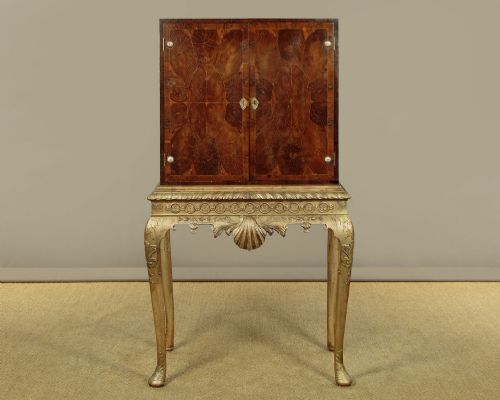

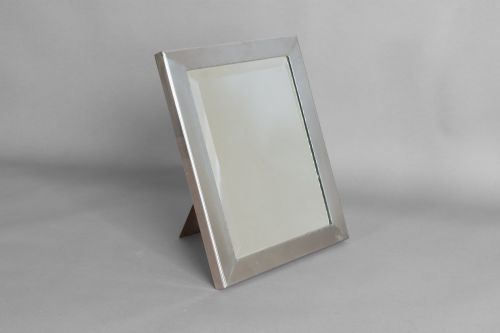

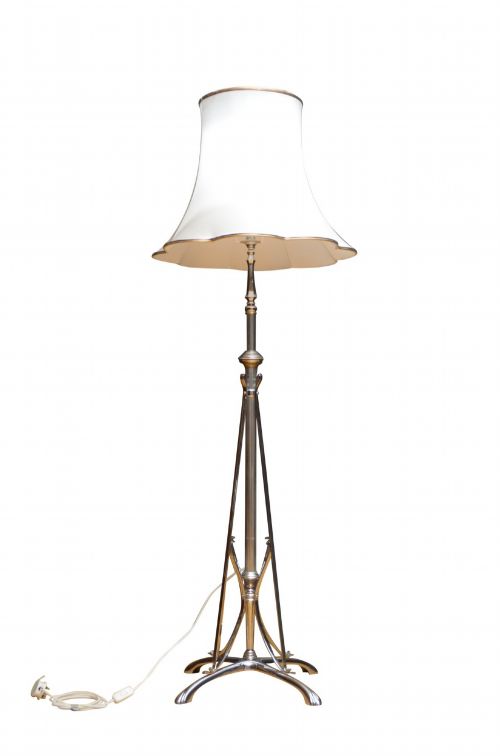

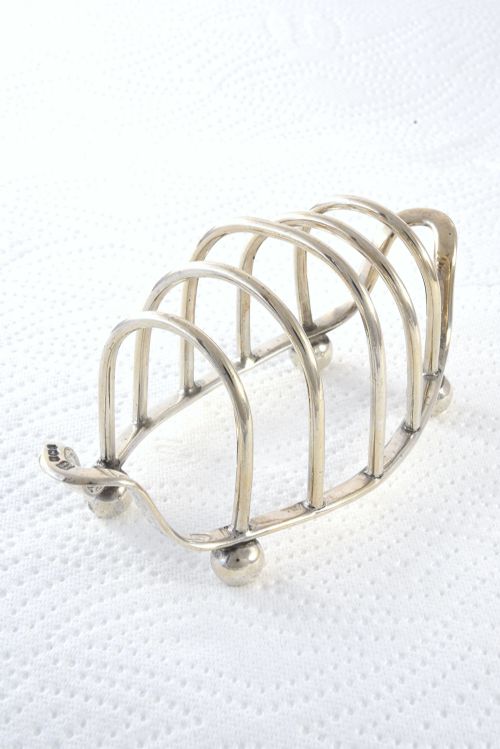


Art Deco Silver Stand
When collectors search for an art deco silver stand, they find objects spanning utilitarian table accessories and heavy display furniture from the early twentieth century.
Art Deco Silver Stand
An art deco silver stand encompasses a diverse group of objects designed to elevate, support, or display items ranging from porcelain teapots and glass condiment jars to desktop inkwells and tiered afternoon tea cakes.
The pieces on this page originate predominantly from the interwar period, though earlier Victorian and Edwardian examples occasionally appear alongside items produced in the 1930s.
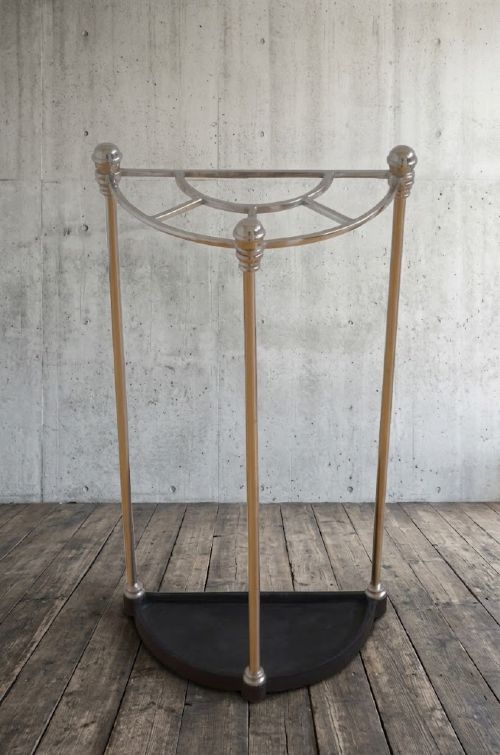
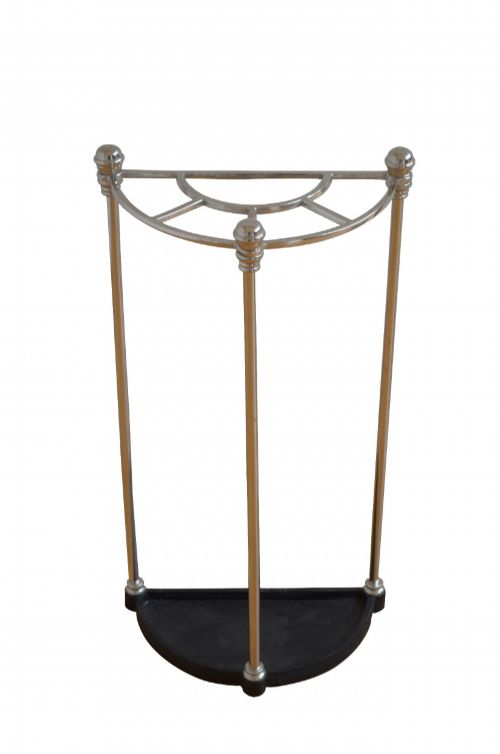
Forms vary significantly, taking the shape of low glass-mounted teapot bases, tall tiered cake structures, heavy desk inkstands, and specialised umbrella holders.
How They Were Made
Makers utilised solid sterling silver and plated metals over base metals, often combining them with clear or coloured glass inserts, ceramic bowls, and contrasting elements like Bakelite.
Manufacturing techniques of the period involved stamping, plating, engine-turning, and applying vitreous enamel decoration to achieve the geometric symmetry characteristic of the style.
Art Deco Silver Stand Retail Price Guide 2026
Typical asking prices for art deco silver stand among the pieces listed under this phrase on Sellingantiques today, from the lower quarter to the upper quarter. They describe what is for sale here now, not the wider market.
Listings feature items spanning the 19th Century through to the 1940s, with a strong concentration of pieces originating in the 1920s and 1930s.
What Varies in Quality
The standard of a piece depends on the weight and purity of the metal, the crispness of the hallmarks, and the integration of secondary materials such as cut glass or enamel.
Superior examples display balanced proportions, clean geometric lines, and undamaged decorative details, whereas lower tiers exhibit simpler plated surfaces and heavier wear to the underlying base metal.
Christofle·Sudre·Elkington·Mappin & Webb·Wilmot Manufacturing Co·Stokes & Ireland·Adie Brothers·Barker Brothers·Emile Viner·Deakin & Francis·Harrison & Hipwood·Zimmermann
The Art Deco Silver Stand Glossary
- Hallmark
- An official stamp applied to precious metals indicating the standard of purity, the assay office, and the year of manufacture. These marks provide definitive clues to a piece's origin.
- Engine-turning
- A mechanical decoration technique that cuts intricate, precise geometric patterns into metal surfaces. This method creates a textured background that catches the light.
- Guilloche enamel
- A decorative technique where enamel is applied over an engine-turned metal base, allowing the patterned metal underneath to show through translucent colours. It appears frequently on vanity items and frames.
- Silver plate
- A layer of fine silver bonded to a base metal core such as copper, nickel, or brass. Many items from this era utilise this method to achieve a bright finish without the cost of solid silver.
- Demijohn
- A large glass bottle with a narrow neck, though the related demi-lune term describes the half-moon shape found in certain umbrella stands and wall-mounted pieces.
Art Deco Silver Stand: Frequently Asked Questions
What was an art deco silver stand used for?
These stands served practical roles in domestic and social settings, holding items like teapots, inkwells, desk calendars, and tiered cakes during afternoon tea.
Many designs also acted as protective barriers for furniture, preventing hot dishes or damp glassware from damaging wooden tabletops.
How can I tell sterling silver from silver plate?
Sterling silver items carry official hallmarked stamps indicating metal purity, usually a lion passant for British manufacture, alongside maker marks and date letters.
Silver plated pieces lack these specific purity hallmarks and may show the underlying base metal bleeding through worn areas.
How do I clean an enamel and silver stand?
Enamel surfaces require gentle cleaning with mild soapy water and a soft cloth to avoid scratching the vitreous glass coating.
Silver components can be polished using standard silver cloths, but care must be taken to keep harsh cleaning agents away from enamel and glass inserts.
How do I date an art deco silver stand?
Dating relies heavily on reading the stamped hallmarks, which often include a specific letter code corresponding to the year of assay.
Stylistic elements like geometric motifs, stepped skyscraper profiles, and materials like Bakelite also point towards production between the wars.